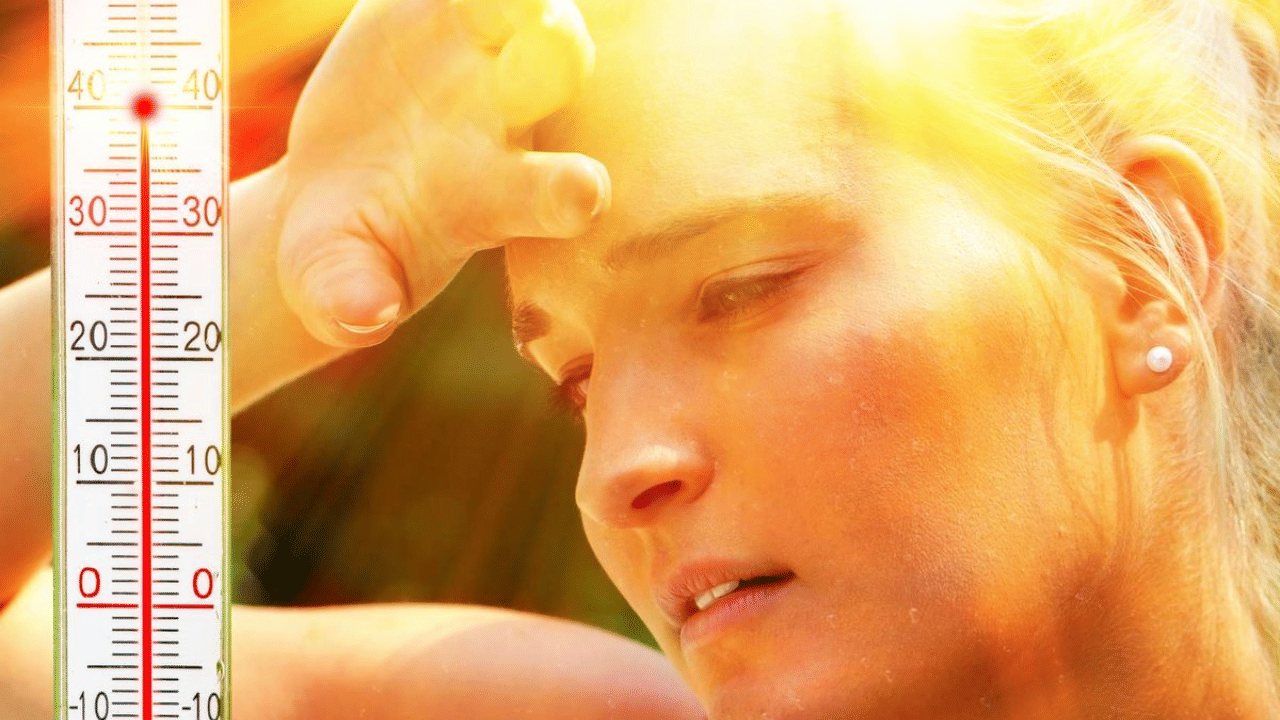
New Delhi: India’s scorching summers are getting hotter, and people are feeling the heat in more ways than one. Climate stress, driven by rising temperatures and extreme weather, is quietly changing lives across the country. From bustling cities to quiet villages, the changing weather brings worries about health and daily routines. A new report shines a light on this growing problem, showing how India’s health risks are climbing due to climate change. As heatwaves become more common, families face new challenges that affect everyone, young and old alike. This issue matters because it touches the heart of our wellbeing, urging us to pay attention before it worsens.
The report, called “Under the Weather: India’s Climate-Health Intersections and Pathways to Resilience” by ClimateRISE Alliance and Dasra, warns that climate stress is not just about hotter days. It links directly to health dangers like heart problems and risks for mothers and babies. With India’s huge population, these threats spread fast, hitting the poor hardest. Simple changes in weather now mean bigger troubles for hospitals and homes. Understanding this helps us see why action on climate and health must go hand in hand.
Scorching heatwaves spike deadly heart risks in India
Heatwaves are a big danger to hearts in India. The report shows they link to an 11.7 per cent rise in deaths from heart issues. Heart disease already causes 28 to 30 per cent of all deaths in the country, making this even scarier. In 2021, extreme heat stole 160 billion work hours, costing 5.4 per cent of India’s GDP. Workers in fields and factories suffer most, as high temperatures make bodies overwork, raising blood pressure and strain on hearts.
The elderly and those with past health woes face the worst hits. Climate stress worsens air pollution too, which takes another 2 per cent of GDP in health losses each year. The World Health Organization notes that such events kill thousands yearly worldwide, with India high on the list. Simple steps like staying indoors and drinking water help, but better warnings from weather offices can save lives. Government heat action plans in cities like Ahmedabad cut deaths by 25 per cent in tough years. Still, more districts need these now as heat hotspots grow.
Pregnant women face alarming heat risks to babies
Pregnant women face extra heat dangers from climate change. Over the last five years, they endured six more days of very high temperatures each year on average. This leads to a 16 per cent higher chance of early births, plus risks of stillbirths and baby hospital stays. Hot weather stresses the body, cutting blood flow to the baby and causing early labour.
Rural mothers and informal workers get hit hardest, with poor access to cool shelters or clinics. The Lancet Countdown report adds that India saw nearly 20 heatwave days per person in 2024, with 6.5 extra due to climate shift. UNICEF warns children in India are at very high risk from such changes, facing more malnutrition and diseases. Heat also spreads germs like dengue, up 49 per cent globally since the 1950s. Hospitals report more low-weight babies during monsoons turned erratic. To fight back, community cooling centres and maternity heat alerts are key. Training health workers on climate signs can spot problems early, saving mums and little ones.
Why Poor Kids and Women Suffer Most from Climate Fury
Climate stress picks on the weak first—women, kids, rural folk, and informal workers. The report calls it a ‘multiplier’ that deepens old problems like poor healthcare access. In high-risk districts, kids are 1.25 times more likely to be underweight, and mums 1.38 times more to deliver outside hospitals. Over 80 per cent of Indians live in climate-hotspot areas prone to floods, cyclones, and heat.
Poor families lose wages from sick days, trapping them in poverty. PLOS One study shows climate vulnerability harms SDG health goals across 575 districts. Children face diarrhoea from bad water after floods, killing over 100,000 yearly. Elderly in slums suffer heat illnesses, with two-thirds affected in some cities. Germanwatch’s Climate Risk Index ranks India 9th most hit, with 80,000 deaths since 1995. Aid groups push for strong homes and early warnings. Schools with cool rooms and farms with shade cut risks. Joining hands—government, NGOs, locals—builds shields for these groups. (162 words)
How India can fight back against climate health crisis
India needs joined-up plans for climate and health. The report urges mixing climate action with public health to boost productivity and cut deaths. CEEW-UNICEF profiling spots district risks, helping target aid. Heat action plans worked in some places, dropping deaths sharply.
One, set up cool clinics and worker breaks funded by philanthropy. Two, improve weather apps for early farm warnings. Three, plant trees in green cities to lower urban heat by 5 degrees. Four, train doctors on heat illnesses. Five, cut emissions with solar power and clean cookstoves. Every step counts to shield health from climate stress. (128 words)
Climate stress raises India’s health risks, but smart steps can turn the tide. The “Under the Weather” report calls for unity in action. Together, we build a healthier, cooler future.