New Delhi: India has started easing its restrictions on buying equipment from China after the deadly Galwan clash in 2020. The easing of restrictions will allow state-run power and coal companies to start limited imports as shortages and project delays mount, Reuters quoted two government officials as saying.
The ease of restriction comes after five years of curbs. Notably, the restrictions had a huge impact on Chinese companies as they were left out of India’s $700 billion-$750 billion government contract market.
The news agency had reported in January that India is contemplating on relaxing the restrictions on Chinese bidders for government contracts as border tensions ease. After the Galwan clash, Chinese bidders were mandated to register with a Indian government panel and secure political and security clearances before applying for any state contract.
India has barred state-run firms to purchase a Chinese power-transmission equipment without the green signal from the government.
Addressing India’s Power & Coal Shortages with Chinese Imports
The officials told Reuters said the government is examining a time-bound exemption for key coal-sector equipment. The exemption was granted in the “national interest,” as red flagging the Chinese imports would hit India’s manufacturing capability, one of the officials told the agency.
The sources said top bureaucrats have given their nod for the waiver and a formal order is expected soon. The government departments have been repeatedly highlighting the shortages and project delays under the 2020 restrictions.
The officials are of the view that India may allow case‑by‑case imports of critical Chinese equipment rather than fully reopen procurement.
A 2024 Observer Research Foundation report mentioned that the new project awards to Chinese bidders fell 27% to $1.67 billion in 2021 from a year earlier. India has plans to add 500 GW of non‑fossil capacity by 2030.
The second official said that India’s power transmission projects face a roughly 40% shortfall in transformers and reactors over the next three years.
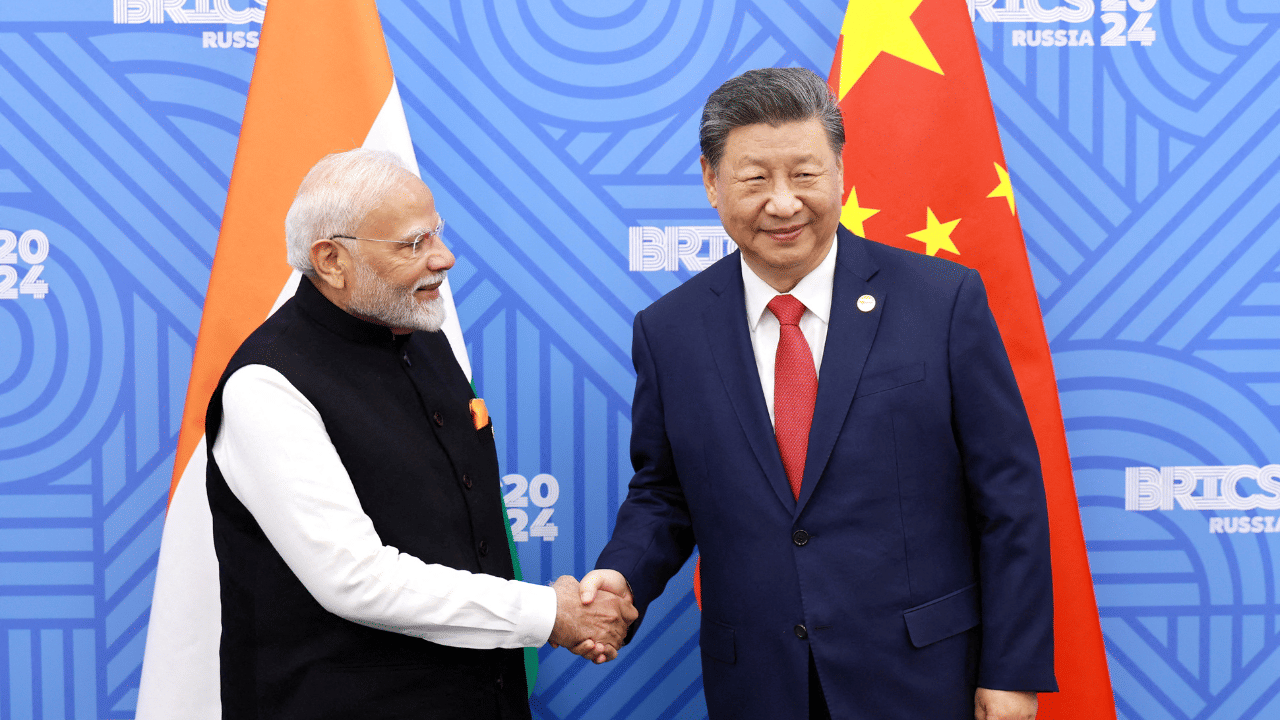
Notably, India softened its stance towards China and both the countries are working to rebuild commercial ties, after US President Donald Trump imposed a 50% tariff on Indian goods.