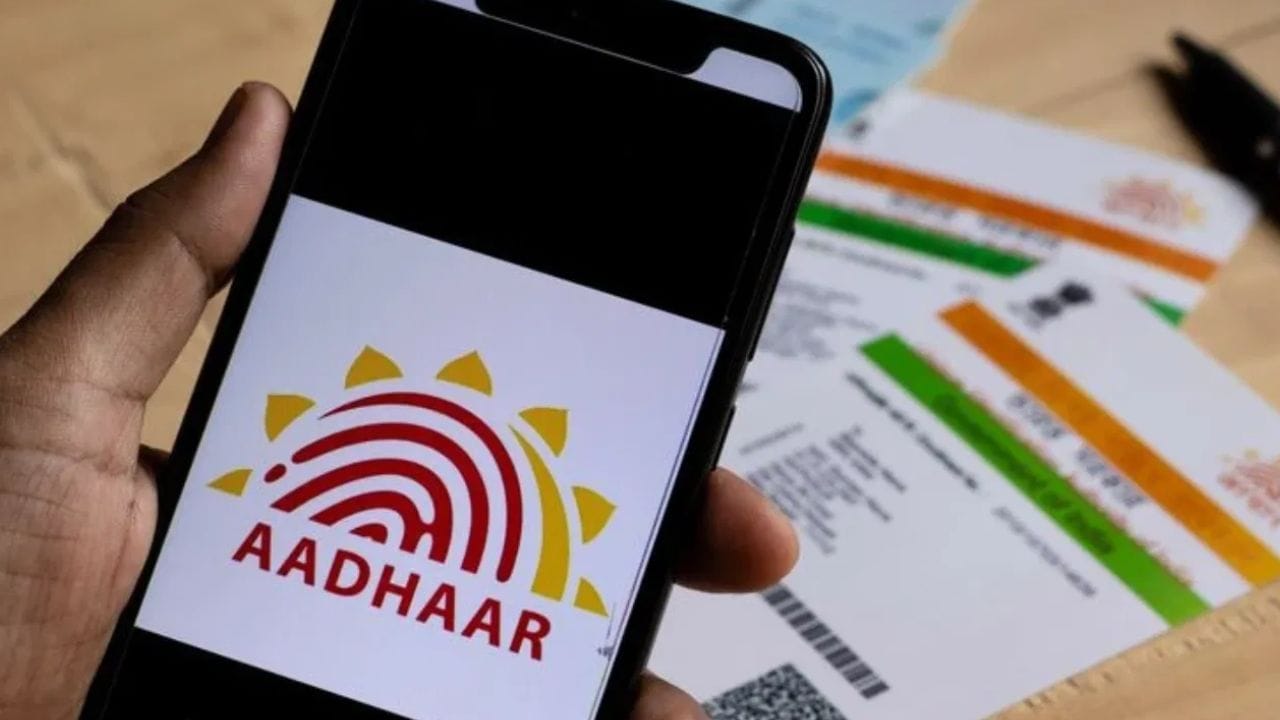
New Delhi: India has shelved a controversial proposal to require smartphone makers to pre-install the Aadhaar app, marking a setback for the government’s digital expansion plans. It was decided following strong resistance by world technological giants and industry stakeholders who expressed issues on security, price and operational difficulties.
According to a statement shared with Reuters, the Unique Identification Authority of India (UIDAI) said that the IT ministry is not keen on making the Aadhaar app pre-installation obligatory on devices. The relocation comes after the government consulted with the electronics industry players, a pointer to being more cautious.
Industry pushback forces policy rethink
The initial report by Reuters to pre-load smartphones in the Indian market with the Aadhaar app on companies such as Apple, Samsung, and Google was presented as a proposal. This was, however, subject to consistent opposition. The leaders of the industry claimed that such requirements would undermine the security of devices and make the manufacturing process more complicated.
Increased production costs were also indicated by companies, as they may need to set up separate manufacturing lines to produce devices that are specific to India. Sources cited by Reuters earlier indicated that Apple and Samsung were particularly concerned about user data safety and system vulnerabilities.
Government steps back amid wider concerns
The move by the IT ministry indicates increased caution following numerous unsuccessful efforts to enforce compulsory pre-installed government applications. This was said to be the sixth attempt of the kind in two years, which all had to be opposed by the tech industry.
A senior government official told Reuters that preloading of apps would only be regarded as very essential. The relocation is also accompanied by the fact that India is intending to win over international manufacturers and establish itself as a smartphone manufacturing hub.
Privacy debate continues around Aadhaar
Despite its widespread use, privacy advocates have criticised Aadhaar due to the security of data despite its wide use. Cases of data leaks and the occurrence of personal information on the internet continue to be a concern.
The founder of the Internet Freedom Foundation Apar Gupta praised the decision, saying it was a step toward regulatory restraint. In an interview with Reuters, he stated that smartphones are supposed to be a means of personal freedom, but not a means of compulsory government services.
What it means for users and tech companies
To consumers, the choice guarantees better control over their devices and installed applications. To smartphone manufacturers, it eliminates the hassle of complying with region-specific software requirements.
While Aadhaar is the centre of the digital ecosystem in India, this phenomenon demonstrates that the government has to balance digital governance and the privacy of users in the fast-changing technological environment.