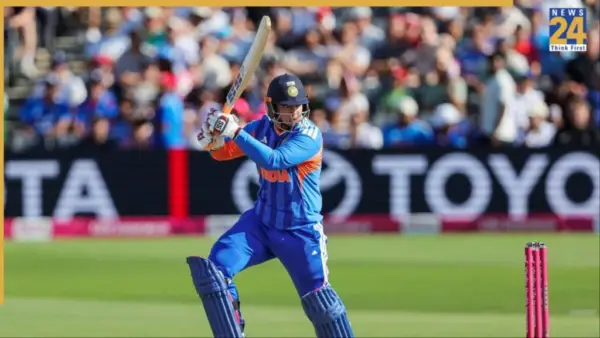
The 1st T20I of the 5-match series between India and New Zealand will be played at Hagley Oval in Christchurch on October 22. The pitch is expected to offer good support to fast bowlers, especially during the first few overs.
The fresh grass cover could help seamers get extra bounce and movement with the new ball, making it difficult for the opening batters to score freely. However, batting could become easier once the initial movement settles down.
The cold weather, dew and floodlights could also play an important role in deciding the outcome of the match. With teams chasing targets enjoying success at this venue, the toss could be crucial.
What will Hagley Oval pitch be like for the India vs New Zealand 1st T20I?
The Hagley Oval pitch is expected to favour fast bowlers in the early stages of the match. The fresh grass cover could help seamers generate movement off the surface and trouble the batters with extra bounce. Both India and New Zealand will need to be careful against the new ball during the first three to four overs.
However, the surface is also expected to offer consistent bounce, which could help batters play their shots once they settle at the crease. The middle overs may provide opportunities to score quickly, especially for batters who manage to handle the early movement.
Will batters or bowlers have the upper hand?
Fast bowlers are likely to have an advantage at the start of the innings because of the grass cover and the expected seam movement. The opening batters will need to focus on seeing off the new ball before looking to attack.
As the innings progresses, batting could become easier. The consistent bounce may help stroke-makers play their shots and find boundaries. Teams will need to strike a balance between protecting their wickets in the powerplay and scoring quickly in the middle overs.
How will the weather and dew affect the match?
The match will be played under floodlights in Christchurch, where temperatures are expected to be around 10 degrees Celsius. The cold conditions could help fast bowlers find some extra swing, while the floodlights may also assist seamers.
Dew could become an important factor during the second innings. A wet ball can be difficult for bowlers to grip, making it harder to control line and length. Fielders may also face challenges while stopping the ball and taking catches. These conditions could give the team batting second an advantage if dew becomes heavy.
What is the average first-innings score at Hagley Oval?
The average first-innings score at Hagley Oval is around 161, according to the available figures provided for this preview. Teams chasing targets have reportedly enjoyed greater success at the venue.
A total of more than 170 runs could put the team batting first in a strong position. However, the actual par score will depend on the pitch conditions, the amount of movement available to fast bowlers and how well the batters handle the new ball.
Who will benefit more from the pitch conditions?
Both teams’ fast bowlers could play a key role in the opening match. New Zealand’s pace attack will look to use the home conditions to put pressure on India’s top order. Indian fast bowlers will also have an opportunity to trouble New Zealand’s batters with movement and bounce.
The team that handles the first few overs better could gain an early advantage. Batters who remain patient at the start and take advantage of the consistent bounce later in the innings could prove crucial to their team’s chances.
Should India or New Zealand bowl first after winning the toss?
The captain winning the toss may prefer to bowl first, particularly if dew is expected to make batting easier later in the match. Chasing could be an advantage if the ball becomes wet and difficult for the bowlers to control.
However, the decision will depend on the conditions at the time of the toss. If the pitch offers significant movement, the team bowling first could put the opposition under pressure early. With both sides looking to start the series with a win, the toss and the use of the new ball could be important factors in the first T20I.