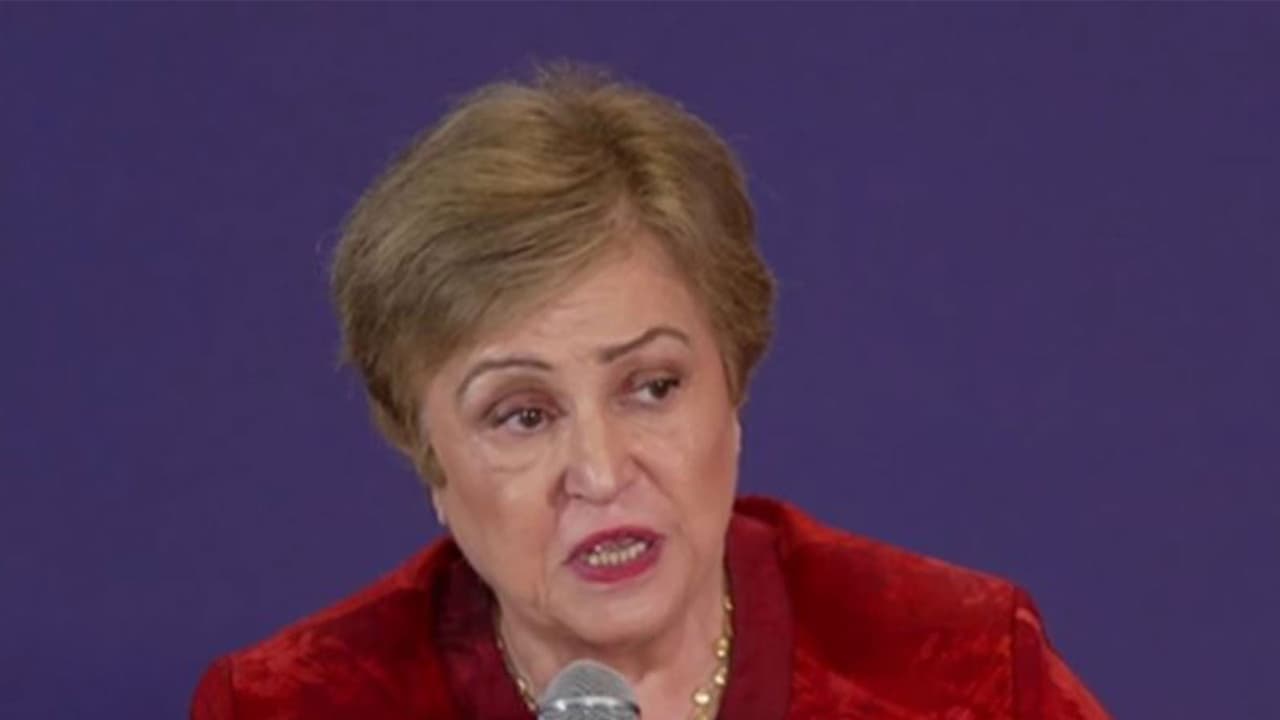
IMF’s Kristalina Georgieva said the global economy is resilient but uneven and fragile. The October 2026 WEO projects growth at 3.1% in 2026 and 3.4% in 2027, urging policy changes to rebuild fiscal space and strengthen energy security.
The global economy continues to demonstrate resilience in the face of ongoing geopolitical friction and trade headwinds, even as growth margins narrow and deepen existing fractures across nations, according to the International Monetary Fund (IMF) Managing Director Kristalina Georgieva. Citing findings from the October 2026 World Economic Outlook (WEO), Georgieva said, “The global economy has proved resilient, but increasingly uneven and fragile.” She outlined the baseline projections alongside urgent institutional priorities for national governments amid shifting economic conditions. “Growth is projected at 3.1% in 2026 and 3.4% in 2027. Policy must rebuild fiscal space, strengthen energy security, and improve AI readiness,” she added.
Global Growth and Inflation Projections
Global growth projections stand at 3.1 per cent for 2026 and 3.4 per cent for 2027, according to the report. The forecast remains unchanged for 2026 and shows a moderate upward revision for 2027 compared to the April 2026 assessment. Global headline inflation is projected to rise to 4.7 per cent in 2026 before easing to 4.1 per cent in 2027, driven primarily by cost pressures in food and energy.
Widening Economic Divergence
The report detailed an expanding split in global economic activity. Countries with limited direct exposure to conflict and strong links to the technology upturn continue to hold up or strengthen, aided by substantial investment in artificial intelligence. Conversely, energy-importing economies with little integration into the technology supply chain face compounding strains from higher import bills, currency depreciation, and shrinking fiscal space.
Country-Specific Outlooks
Among individual economies, the outlook highlighted significant divergence. The United States is projected to grow at 2.3 per cent in both 2026 and 2027, while the Euro Area expands at 1.1 per cent and 1.2 per cent over the same period. In Emerging and Developing Asia, China’s growth is pegged at 4.5 per cent in 2026 and 4.0 per cent in 2027. India maintains the fastest pace among major economies, with output projected at 7.0 per cent for both 2026 and 2027 on a fiscal year basis.
Dominant Downside Risks
The report noted that buffers such as inventory drawdowns, shipment rerouting, and adaptive supply networks have cushioned the initial blow from geopolitical shocks. However, these adjustment margins are not unlimited. Downside risks dominate the horizon, including the possibility of sustained conflict in West Asia, volatility in commodity markets, physical supply disruptions, and potential equity corrections should artificial intelligence profitability prospects face reassessment.
IMF Policy Recommendations
To counter these pressures, the IMF urges governments to pursue credible fiscal consolidation plans that balance revenue mobilization with expenditure rationalization, while tailoring monetary policy to domestic inflation conditions and structural needs. (ANI)
(Except for the headline, this story has not been edited by Asianetnews Editorial staff and is published from a syndicated feed.)