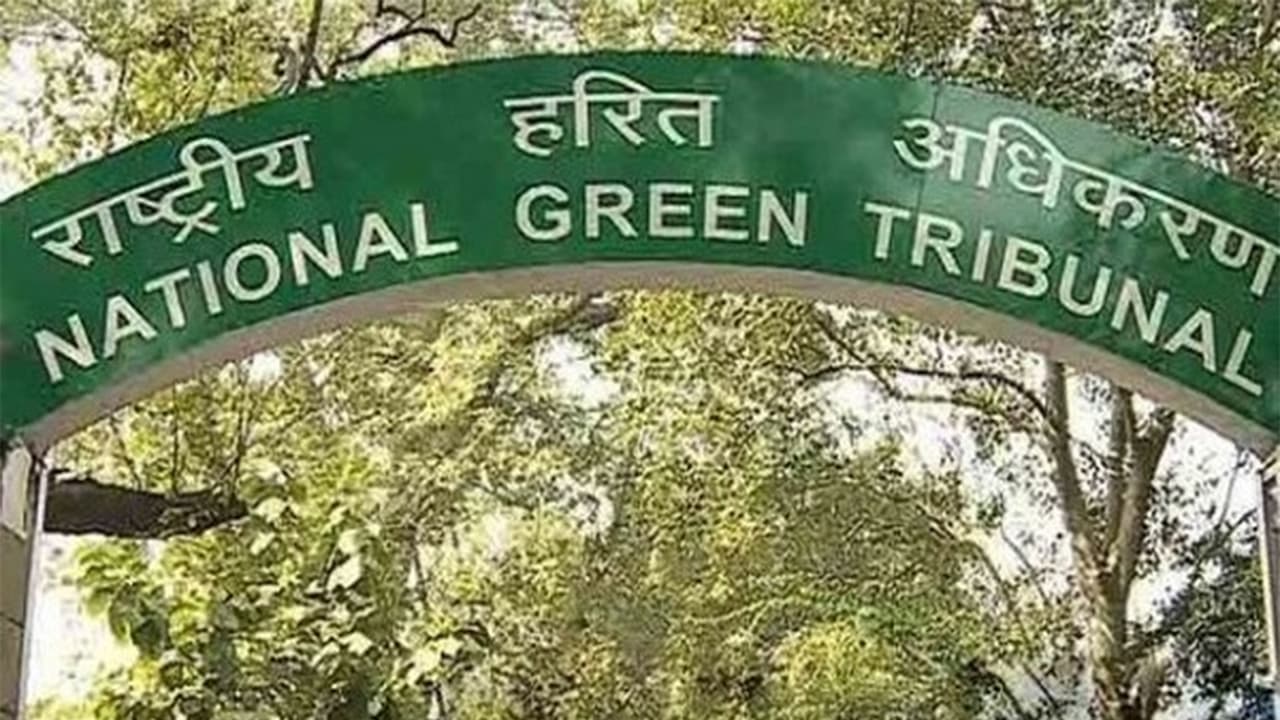
NGT has directed the DCP, North-East Delhi, to appear after police failed to protect a team inspecting illegal units. The team was obstructed and threatened, and police allegedly refused to cooperate, prompting the Tribunal’s action.
Calling the continued operation of illegal industrial units a “serious environmental violation” creating air and water pollution and posing a health hazard to residents of Delhi, the National Green Tribunal (NGT) has directed the Deputy Commissioner of Police (DCP), North-East Delhi, to appear and explain why the police failed to support and protect a joint inspection team tasked with probing such units.
The direction was issued by the Principal Bench of the NGT, headed by Justice Prakash Shrivastava, while hearing an application alleging the unauthorised and illegal running of ‘Red’ category industrial units in Village Gamri, East Delhi. The Tribunal observed that the lack of effective enforcement and police cooperation had prevented authorities from discharging their statutory duties, despite clear directions of the court.
Joint Committee Constituted for Inspection
The Tribunal was examining grievances raised by the applicant regarding environmentally hazardous industrial activities operating in non-conforming residential areas. Earlier, by orders dated November 8, 2024 and February 24, 2025, the NGT had constituted a Joint Committee comprising representatives of the Delhi Pollution Control Committee (DPCC), Central Pollution Control Board (CPCB), Municipal Corporation of Delhi (MCD), and the District Magistrate, North-East Delhi, to inspect the sites. The Commissioner of Police was later impleaded after complaints that adequate police force was not provided.
Inspection Obstructed Amid Police Inaction
During the hearing, counsel for the applicant placed on record a joint inspection report prepared pursuant to the Tribunal’s directions. The report revealed that inspections conducted on October 31, 2025, in Ghonda village were obstructed, with unit owners locking premises, refusing access, and mobilising aggressive crowds, including women, who allegedly abused and threatened officials in the presence of police personnel.
Significantly, the Tribunal noted that despite being present, Delhi Police officials refused to sign the joint inspection report and declined to permit breaking open of locks, citing lack of clear orders. The inspection team recorded that such resistance had become a recurring pattern, effectively blocking regulatory oversight and environmental enforcement. It was also brought to the Tribunal’s notice that one person sustained injuries during the incident, and a report was lodged at Jafrabad Police Station.
Tribunal Demands Explanation from Police
Taking serious note of these facts, the NGT directed the DCP, North-East Delhi, to explain why the joint committee’s report was not signed by the police and why adequate protection and enforcement measures were not ensured. The Tribunal underlined that the illegal operation of polluting units directly violates environmental norms and leads to consequential air and water pollution, aggravating public health risks in the capital.
Emphasising that the issue needs to be dealt with “with full sincerity and seriousness,” the Tribunal listed the matter for further hearing on April 16, 2026.
(Except for the headline, this story has not been edited by Asianet Newsable English staff and is published from a syndicated feed.)