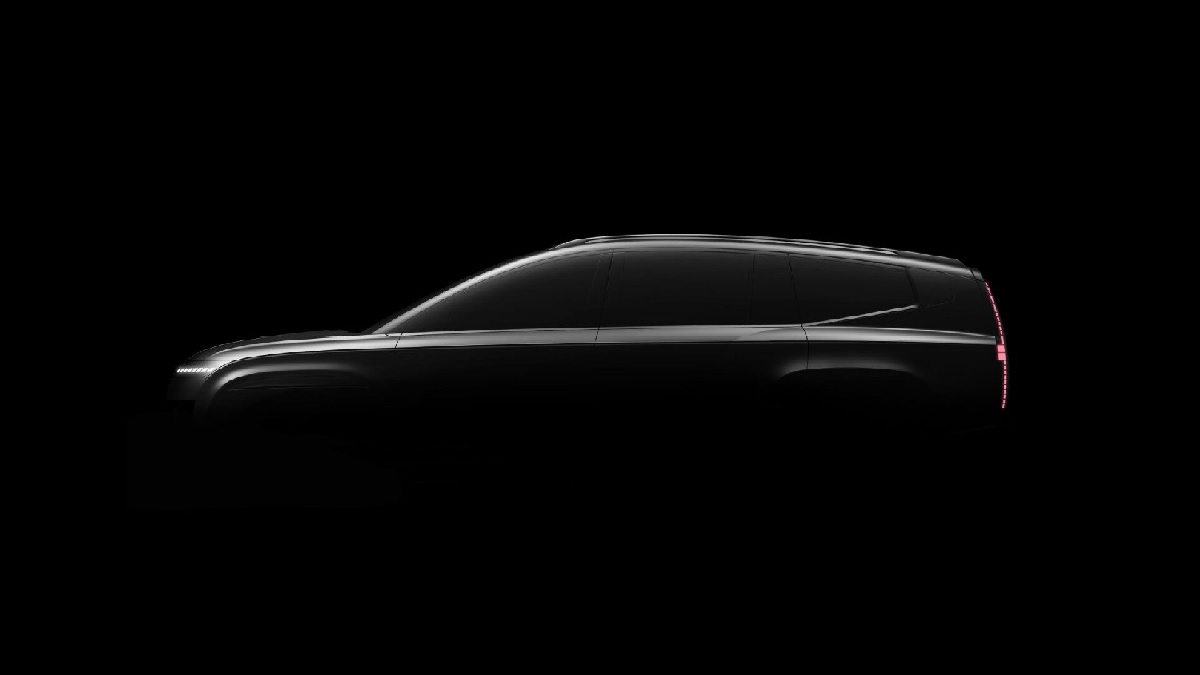
South Korean automaker Hyundai has officially confirmed plans to introduce a new compact electric SUV to the Indian market, with an anticipated debut slated for January 2027. Codenamed HE1i and widely expected to wear the Ioniq 1 moniker, the upcoming battery-powered vehicle is designed to capture market share in the rapidly expanding sub-Creta electric segment.
Positioned below the existing Creta Electric, the new offering will compete directly against established domestic rivals such as the Tata Nexon EV, Mahindra XUV 3XO EV, and Kia Syros EV. As per a by V3Cars, the vehicle forms a core pillar of Hyundai’s broader product offensive aimed at expanding its electric vehicle footprint across the subcontinent.
Exterior Design and Platform Proportions
Early prototype sightings indicate that the compact EV adopts an upright, squared-off posture inspired by Hyundai’s global Inster model, though built on a larger footprint. The design architecture features short front and rear overhangs alongside an extended wheelbase exceeding 2,500mm to maximize cabin space within a compact length.
Exterior highlights include separate upper and lower lighting elements, pixel-style LED daytime running lights, a closed-off front fascia, prominent protective body cladding, functional roof rails, and a near-vertical tailgate. This layout ensures easy manoeuvrability in congested urban traffic while maintaining generous headroom and passenger comfort.
Battery Sourcing, Range and Performance Estimates
To accelerate market introduction without supply bottlenecks, Hyundai will initially source battery cells from Svolt before transitioning to locally produced cells through a strategic partnership with Exide Industries. Market analysts anticipate both Standard Range and Long Range configurations, drawing comparisons to the global Inster’s 42kWh and 49kWh options.
The electric platform is expected to support DC fast charging capability, enabling a 10 to 80 percent battery replenishment in approximately 30 minutes. In terms of safety, the model is projected to feature six airbags, electronic stability control, tyre pressure monitoring systems, and Level 2 advanced driver assistance systems on select trims.