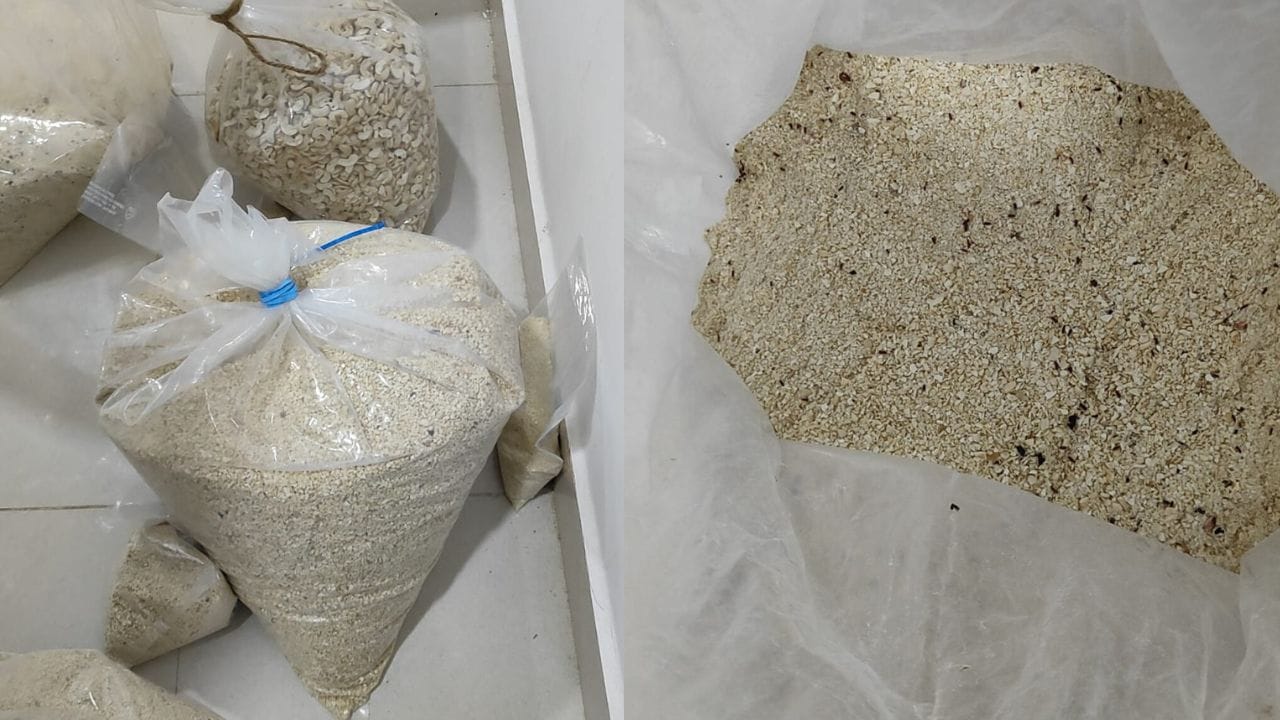
New Delhi: In yet another case of food adulteration and poor quality of food items reported from Hyderabad, the food safety inspectors have seized 200 kgs of cashews from a repacking unit in the city. A raid was carried out by the Telangana Food Safety Department, in Mallapur area of Hyderabad.
Insects found in cashews
According to a report in msn, 36 kilograms of cashews seized from the repackaging unit were found to be infested with insects. The food inspectors immediately discarded the cashews, to prevent it from being sold in the market.
The food inspectors then seized 210 kgs of cashews, on suspicion of them being of low quality. Samples from the seized dry fruits have been sent to the laboratory for quality testing.
#CFS_TELANGANA – Food Safety Alert | 28-03-2026
Yet another surprise inspection was conducted by the Flying Squad of the Food Safety Department. To a Cashew Repacking Agency at Mallapur, Hyderabad and violations were noted.
· 36 kg cashew found infested with insects —… pic.twitter.com/RSELJ7ZoHq— Commissioner of Food Safety, Telangana (@cfs_telangana) March 28, 2026
The value of the seized cashews is estimated to be around Rs 1.5 lakh in the market.
The inspection comes amidst an ongoing drive by the Food Safety and Standards Authority of India (FSSAI) to ensure quality and standard of food items and crackdown on unsafe practices in the supply chain.
Public advisory issued by Telangana Food Safety Department
Following the seizure of the poor quality food items, the Food Safety Department of Telangana issued a public advisory for people of the state. They were asked to check
proper labelling and packaging before purchasing any food items.
People were also asked to always check for any insect, foul smell or discoloration before consuming any food which they buy from the shops. They were also asked to buy food from only licensed and trusted vendors.
The Food Safety Department also asked people to report any unsafe food practices to the authorities.
Officials also said that such surprise inspections would continue in the future. The aim is to safeguard public health.