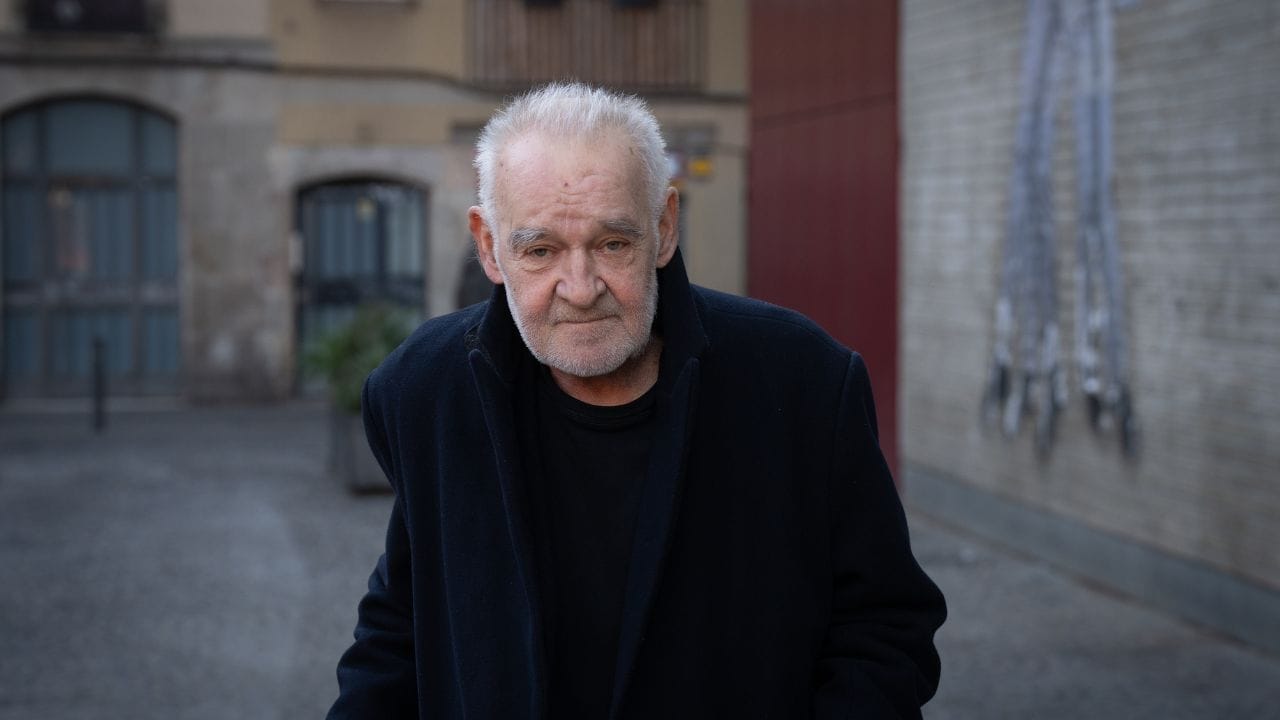
Béla Tarr death news: Béla Tarr, the legendary Hungarian filmmaker whose radical approach to time and form reshaped global arthouse cinema, has died at the age of 70 after a prolonged illness. His family confirmed the news through Hungary’s national news agency, prompting an outpouring of tributes from filmmakers, critics and festivals across the world.
Born in Pécs in 1955 and raised in Budapest, Tarr entered cinema through amateur documentaries that focused on workers, social inequality and urban hardship. His debut feature, Family Nest (1979), was shot in just six days with non-professional actors and captured housing insecurity with stark realism. The film placed him within the Budapest School movement, although Tarr later distanced himself from strict social realism. Still, those concerns never fully left his work.
All you need to know about Béla Tarr’s legacy
A major creative shift arrived in the mid-1980s. Starting with Almanac of Fall and fully forming with Damnation (1988), Tarr moved away from conventional storytelling. He rejected clear motivations and neat plots. Instead, he built cinema around space, movement and duration. This period also marked the beginning of his long collaboration with writer László Krasznahorkai, a partnership that shaped his most influential films.
That vision reached its peak with Sátántangó (1994), a seven-and-a-half-hour film made over seven years. The film follows the slow collapse of a collective farm through long takes of walking, waiting and silence. Tarr believed time itself carried meaning and refused to shorten the experience. The film slowly gained cult status through festivals and critical support. Writer Susan Sontag famously championed it, calling it a necessary challenge to modern cinema’s impatience.
Later works such as Werckmeister Harmonies and The Man from London continued this formal discipline. His final feature, The Turin Horse, premiered at the Berlin Film Festival and won the Silver Bear Grand Jury Prize. Soon after, Tarr announced his retirement, stating that repetition held no interest for him.
Following his exit from filmmaking, Tarr focused on teaching and expanded art forms. He founded film.factory in Sarajevo in 2012, mentoring young filmmakers without rigid curriculum structures. His influence extended widely, shaping directors like Gus Van Sant, Jim Jarmusch, Pedro Costa and Apichatpong Weerasethakul.
Politically outspoken, Tarr openly criticised authoritarian leaders and remained vocal about artistic freedom. For him, cinema was a moral act. With his death, world cinema loses not just a filmmaker, but a thinker who asked audiences to slow down, watch closely and accept time as truth.