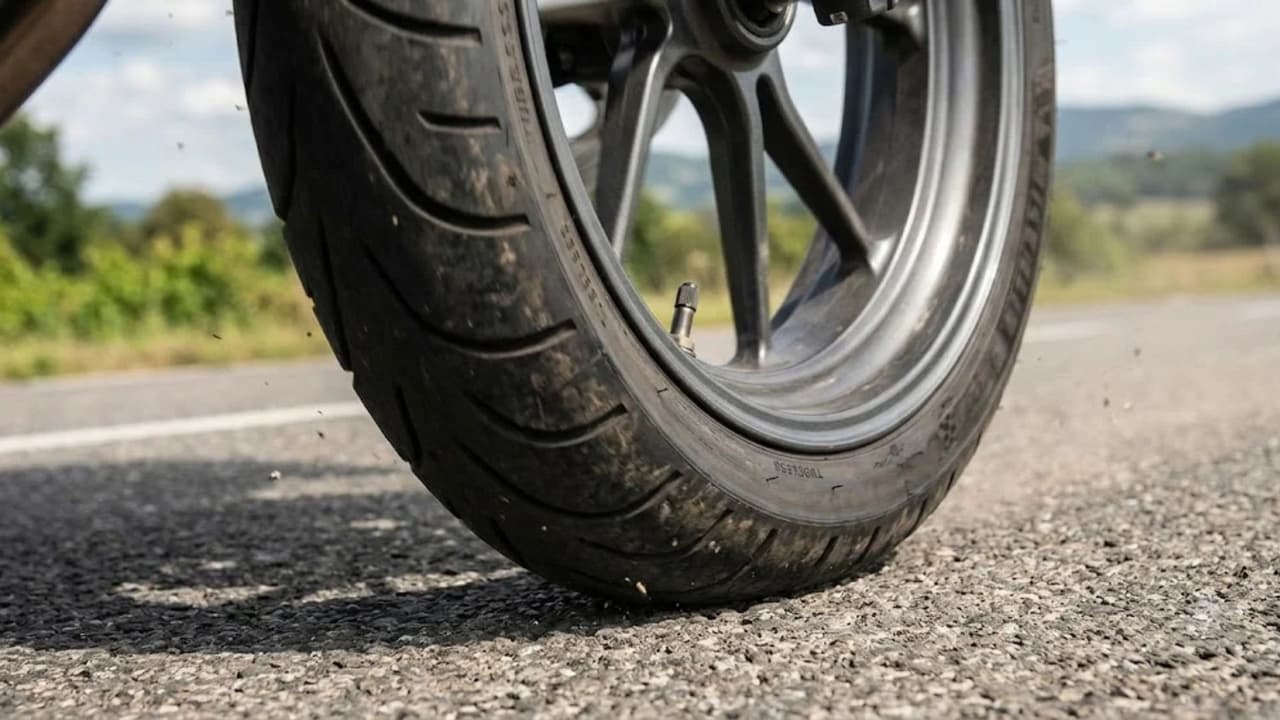
Although it is impossible to eliminate the risk of punctures entirely, a few simple precautions can help reduce the chances of tyre damage and improve road safety.
Maintain the correct tyre pressure:
Check tyre pressure regularly and follow the vehicle manufacturer’s recommended specifications. Underinflated or overinflated tyres can affect handling, tyre life and resistance to road damage. Check the pressure when the tyres are cold, whenever possible.
Inspect tyres regularly:
Look for visible cracks, cuts, embedded nails, unusual bulges and excessive tread wear. If you notice anything suspicious, have the tyre checked by a professional. Do not remove an embedded object before assessing the damage, as doing so may accelerate air loss.
Avoid road hazards:
Whenever it is safe to do so, steer clear of sharp debris, broken glass, metal fragments and deep potholes. Reduce speed on damaged or uneven roads to minimise the impact on the tyres and wheels.
Replace worn-out tyres:
Tyres with insufficient tread or signs of deterioration may offer reduced grip and be more vulnerable to damage. Replace them according to the manufacturer’s recommendations and applicable safety requirements.
Watch for signs of air loss:
If the vehicle begins pulling to one side, the steering feels unusual or the tyre appears deflated, stop in a safe place and check the condition of the tyre. A tyre pressure monitoring system, if fitted, can also help alert you to pressure loss.
Keep emergency equipment ready:
Carry a suitable spare tyre, jack and essential tools if your vehicle is equipped for their use. If there is no spare tyre, keep a manufacturer-approved puncture repair kit or mobility kit, where appropriate. Remember that these kits are generally intended for limited, temporary use and may not work for every type of puncture.
The Bottom Line
Tubeless tyres offer several advantages over conventional tube-type tyres, particularly when a small tread puncture causes air to escape gradually. Their airtight construction eliminates the need for a separate inner tube, while compatible sealants can help close certain small punctures. However, tubeless tyres are not puncture proof. Large holes, sidewall cuts and other forms of serious damage can still cause rapid air loss. Regular pressure checks, tyre inspections and careful driving can reduce the risk of problems. Most importantly, never assume that a punctured tubeless tyre is safe simply because it still contains some air. Stop at a safe location, have the damage assessed and arrange a proper repair or replacement before continuing your journey.