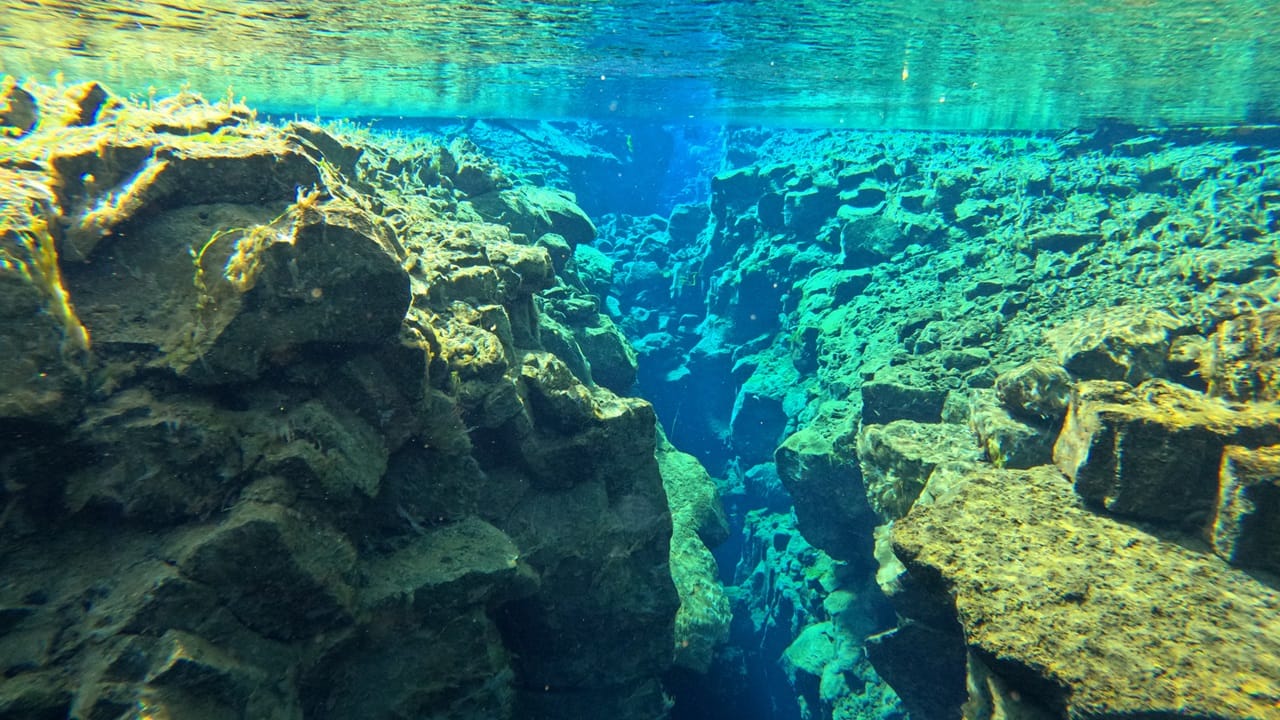
New Delhi: Tectonic plates move slowly beneath the earth. Their interaction causes earthquakes, and volcanoes. Their movement also gives rise to building of mountains — their shape and elevation.
New research has found that Africa is gradually splitting itself apart along a colossal crack. The pieces will drift, collide, and pile up to become massive mountains.
Scientists have revealed that a growing crack in Africa’s outer layer is the beginning of a huge land collision that could give rise to formation of mountains even taller than the Himalayas. The process is slow, but it is already taking place. This may substantially change coastlines and influence weather patterns across the globe, the study says.
What’s happening?
The Great Rift Valley in East Africa shows how the continent is gradually tearing itself apart. This is happening as heat erupting from deep inside the Earth’s mantle causes convection currents that drive the tectonic plates in opposite directions.
Researchers like Douwe J J van Hinsbergen from Utrecht University tracked this 25-million-year-old movement as it develops into a true ocean basin, finally driving landmasses towards a major collision.
The Earth.com report says: “The spreading zone marks the first irreversible step in a sequence that shifts ocean basins and steers drifting landmasses toward impact.”
Study indicates that as Earth’s crust turns more thin and begins to sink, seawater is likely to rush into the rift. This would form new seafloor after magma cools and cause underwater earthquakes.
Somalia-India collision
Somalia could slowly give way to a new ocean. It might eventually lie next to a newly formed ocean. This might alter trade routes and fishing activities. After a period of time, subduction zones — where tectonic plates dive under each other — will pull everything back. This process will melt rocks to create volcanoes and pull slabs of crust down, causing earthquakes across the globe.
This process goes a long way to showcase Earth’s supercontinent cycle, where continents gradually come together to create large landmasses before splitting apart again over hundreds of millions of years.
Somalia and Madagascar may gradually drift as tectonic plates move, while trenches in the Indian Ocean slowly close the distance to India. The research shows that subduction pulls the seafloor downward, compressing islands and folding coastlines into mountain ranges.
Around 40-50 million years ago, India crashed into Eurasia that gave birth to the Himalayas. Similarly, a future Somalia-India collision is likely to push the thick crust towards the sky, creating big mountains. Rocks would get piled over one another, folding into mountain belts, though erosion cycles would check the upward movement.
Newer landscapes, new peaks will develop. This could change the route of winds, affect habits and shrink them. The process will affect and change monsoon patterns and biodiversity.