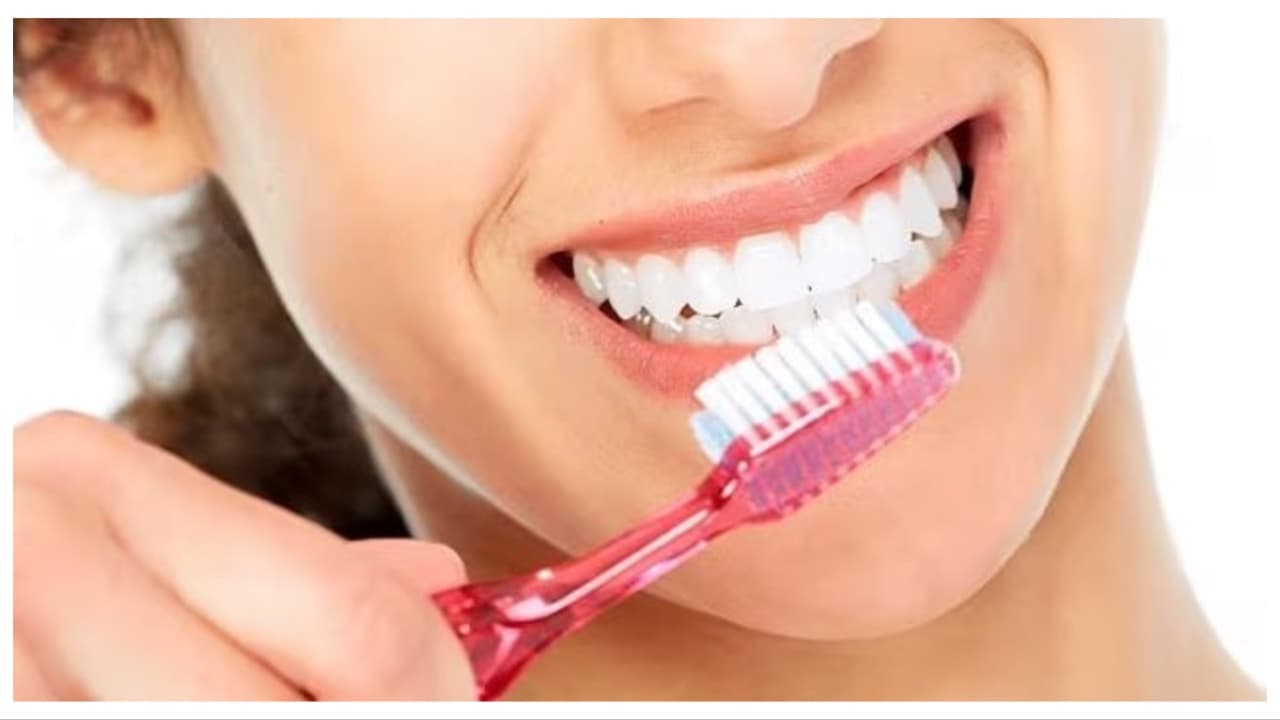
Unsure when to replace your toothbrush? A microbiologist reveals the 3-month rule for optimal oral health. Discover how to properly clean and store your brush to avoid germs.
Toothbrushes play an important role in maintaining good daily hygiene, yet many individuals are uncertain about how often they should be replaced. Different opinions exist, with some recommending a replacement every month, while others suggest doing so only when the bristles appear worn.
Expert Advice
Dr Primrose Freestone, an Associate Professor in Clinical Microbiology at the University of Leicester, has provided clear guidance on this topic, stating that toothbrushes should typically be replaced every three months. She explained to the Daily Mail that individuals with mouth or gum infections should consider replacing their brushes more frequently to reduce the risk of reinfection.
Cleaning Matters
Although replacing a toothbrush on schedule is essential, Dr Freestone highlights that many people do not follow the correct methods for cleaning and storing their brushes. Leftover food particles on the bristles can lead to the growth of bacteria and fungi. She notes that the mouth contains over 500 types of bacteria and fungi, and many of these can transfer to the toothbrush during brushing, making it important to clean it properly.
Many users on Reddit support the three-month recommendation, pointing out that toothbrushes often start to show signs of wear or accumulate too many microbes by that time. However, some people continue to use the same toothbrush for a year, believing it to still be in good condition. Dr Freestone agrees with the NHS recommendation to change toothbrushes every three months, but she also stresses that maintaining good hygiene between uses is just as important.
Proper Care Is Essential
She suggests rinsing the toothbrush thoroughly under hot water for at least 30 seconds after each use to remove toothpaste and germs. Other options for additional cleaning include briefly soaking the brush in baking soda, hydrogen peroxide, antibacterial mouthwash, or exposing it to steam. As a microbiologist, Dr Freestone personally washes her toothbrush weekly with antibacterial handwash to eliminate any remaining debris or bacteria. She also recommends storing toothbrushes away from the toilet to prevent contamination from toilet spray.
By following these practices, you can keep your oral health in check and ensure your toothbrush remains effective, rather than becoming a source of germs in the bathroom.