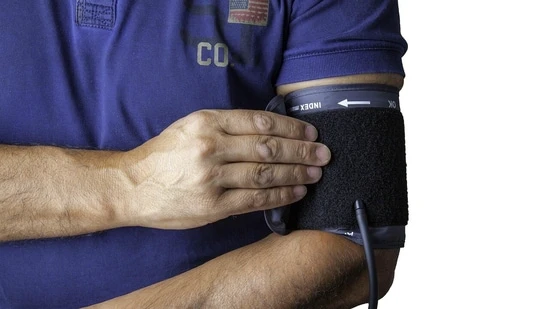
High blood pressure is one of the biggest preventable causes of serious health problems, including heart attack, stroke, heart failure, kidney disease, and even dementia.
Because of this, health experts say it is important for everyone to “know their numbers.” According to the American Heart Association (AHA), normal blood pressure is around 120/80 mmHg. However, almost half of all adults have higher readings, often without knowing it. This makes regular home monitoring an important part of staying healthy.
How often should you check?
According to Daniel W. Jones, MD, chair of the AHA guideline writing committee, people who have been diagnosed with high blood pressure should measure their blood pressure at least two or three times per week. He also advises keeping a written or digital record of these numbers and contacting a doctor if readings go above 130/80 mmHg.
In some cases, daily checks may be recommended. For example, newly diagnosed patients may be asked to take daily readings for a few days. Doctors may also request daily monitoring when starting a new medication or adjusting an existing one. Once treatment is stable, most people can return to checking their blood pressure a few times per week.
Why home readings are more accurate
Doctors say that checking your blood pressure at home is simple, safe, and often more accurate than readings taken at a doctor’s office. Some people feel nervous during appointments, which can temporarily raise their blood pressure. This is known as the “white coat effect.” Home readings, taken when a person is relaxed, may give a clearer picture of their true blood pressure.
Choose the right device
Experts also warn that not all blood pressure monitors on the market are trustworthy. They recommend using devices listed on the American Medical Association’s validated list, which ensures accuracy. After buying a monitor, patients should occasionally bring it to their doctor’s office so healthcare providers can compare the home device with the office machine. This helps ensure both give similar readings.
When to seek immediate medical help
People should pay close attention to any sudden or extreme changes in their blood pressure. A reading of 180/120 mmHg is considered a medical emergency. If a person experiences chest pain, difficulty breathing, or other warning signs along with high numbers, they should call emergency services immediately.
Small changes still matter
For smaller changes, such as readings that are higher or lower than usual for a day or two, doctors recommend taking daily measurements for a few days and then contacting a healthcare provider to discuss next steps.
Regular home monitoring is a simple, powerful habit that helps detect problems early, supports better treatment, and protects long-term health.