High Blood Pressure is often described as a silent health condition because many people experience no obvious warning signs, even when their readings remain elevated for a long time. Once associated mainly with older adults, hypertension is now being reported among younger people as well. Inactive routines, excess salt intake, weight gain, stress and other lifestyle factors can contribute to the growing burden. The concern is particularly relevant in India, where findings cited from the National Family Health Survey-5 suggest that a substantial proportion of people with hypertension are unaware of their condition.
Untreated high blood pressure can gradually damage blood vessels and increase the risk of heart disease, stroke, kidney problems and complications affecting vision. Since symptoms are often absent, checking blood pressure regularly is important, even for people who feel healthy.
Why regular exercise matters for blood pressure
Physical activity is one of the lifestyle measures that can support blood pressure management. Exercise helps the heart work more efficiently and improves circulation. It can also help people maintain a healthy weight, improve insulin sensitivity and manage stress, all of which may influence blood pressure levels.
According to the figures cited in the 2025 American Heart Association guidance, regular aerobic exercise may reduce systolic blood pressure by an average of around 4 to 7 mmHg and diastolic pressure by approximately 3 to 4 mmHg. The actual change varies from person to person and depends on factors such as fitness, exercise intensity and overall health.
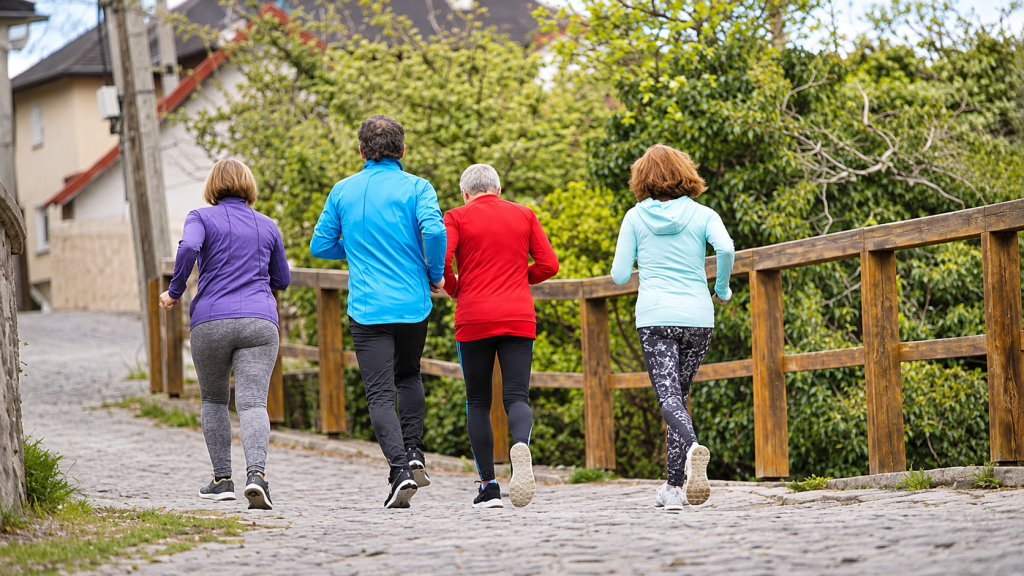
Walking at a brisk pace, cycling, swimming and dancing are examples of aerobic activities that can be included in a weekly routine. Consistency matters more than pushing the body too hard during occasional workouts.
What research says about wall squats and static exercise
A 2023 analysis published in the British Journal of Sports Medicine examined findings from 270 studies involving nearly 16,000 participants. It reported that isometric exercises, which involve holding the body in a fixed position while muscles remain engaged, were particularly effective at reducing resting blood pressure.
Wall squats are one example. In this exercise, a person leans against a wall and holds a seated-like position for a short period. Unlike walking or running, the body remains relatively still while the muscles work to maintain the posture.
The analysis found that isometric training produced substantial blood pressure reductions compared with several other exercise categories. However, this does not mean wall squats should replace aerobic activity or prescribed treatment. A balanced routine can include different forms of movement, depending on an individual’s health and physical ability.
People with uncontrolled or significantly elevated blood pressure should consult a healthcare professional before starting isometric training or any demanding exercise programme. During these exercises, it is also important to breathe normally rather than holding the breath.
Everyday activities can make a difference
Not everyone has the time, money or inclination to join a gym. Fortunately, blood pressure management does not depend on having access to specialised equipment. Brisk walking, cycling, swimming and other enjoyable activities can help people become more active.
For most adults, general physical activity recommendations include at least 150 minutes of moderate-intensity aerobic exercise each week, or 75 minutes of vigorous activity. Muscle-strengthening exercises on at least two days a week are also recommended. People who have been inactive for a long time can begin with shorter sessions and gradually increase their activity.
Exercise should complement medical treatment
Lifestyle changes are important, but they are not a substitute for prescribed blood pressure medication. Some people continue to have elevated readings despite exercising and improving their diet, and may need a medical review or adjustments to treatment.
Reducing excess salt, maintaining a healthy weight, limiting alcohol, avoiding tobacco and checking blood pressure as advised can all contribute to better control. Patients should not stop or change their medicines without consulting their doctor.
The most practical approach is to combine regular movement with sensible food choices, medical guidance and consistent monitoring. Small habits followed over time can support heart health and help reduce the long-term risks associated with hypertension.