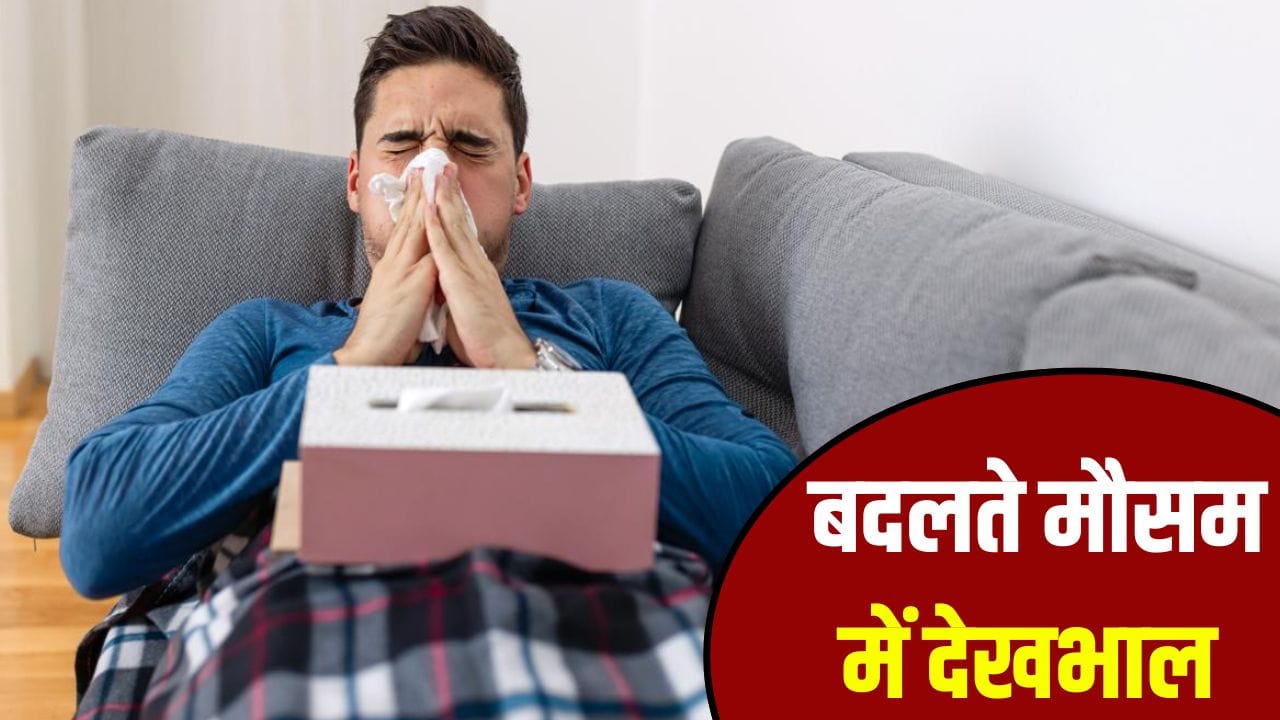
Health tips for changing weather
Image Credit source: Getty Images
At present the weather is changing continuously in many states of the country. Sometimes cold and sometimes mild heat is felt. Such fluctuating weather directly impacts health. Sudden change in temperature can increase the problems of cold, cough, sore throat and fever. Many people also start complaining of headache, fatigue and body pain. Viral infections spread rapidly in this season, due to which immunity can weaken.
Asthma And the problems of allergy patients also increases. Apart from this, stomach related problems, like indigestion, gas and confusion, also become common. Due to frequent changes in weather, the body takes time to adjust, due to which one may feel weak. Some people also start having sleep problems and irritability. Symptoms of dryness or allergy may also appear in the skin. In such a situation, it becomes very important to be cautious about health.
How to take care of health in changing weather?
Professor Dr. Subhash Giri, Director, Department of Medicine, RML Hospital. It is said that it is necessary to change your daily routine according to the weather. Keep your diet balanced and provide adequate nutrition to the body. Light and fresh food keeps digestion better. It is also important to drink enough water during the day, so that the body remains hydrated.
Wear clothes according to the weather and avoid the cold of morning and evening. Light exercise or walking daily keeps the body active and supports immunity. Getting enough sleep is equally important, because less sleep can cause the body to fall ill quickly. Taking care of cleanliness reduces the risk of infection.
Who needs to take more care of health?
Children, elderly and pregnant women need to be more cautious in the changing weather. People who already have asthma, allergies, diabetes or heart-related problems should also take special care. People with weak immunity can fall ill quickly in this season.
Precautions are also necessary
Avoid going to crowded places. Avoid direct exposure to cold air. If symptoms like cold, cough or fever appear, do not be careless. Take rest on time and consult a doctor if necessary.