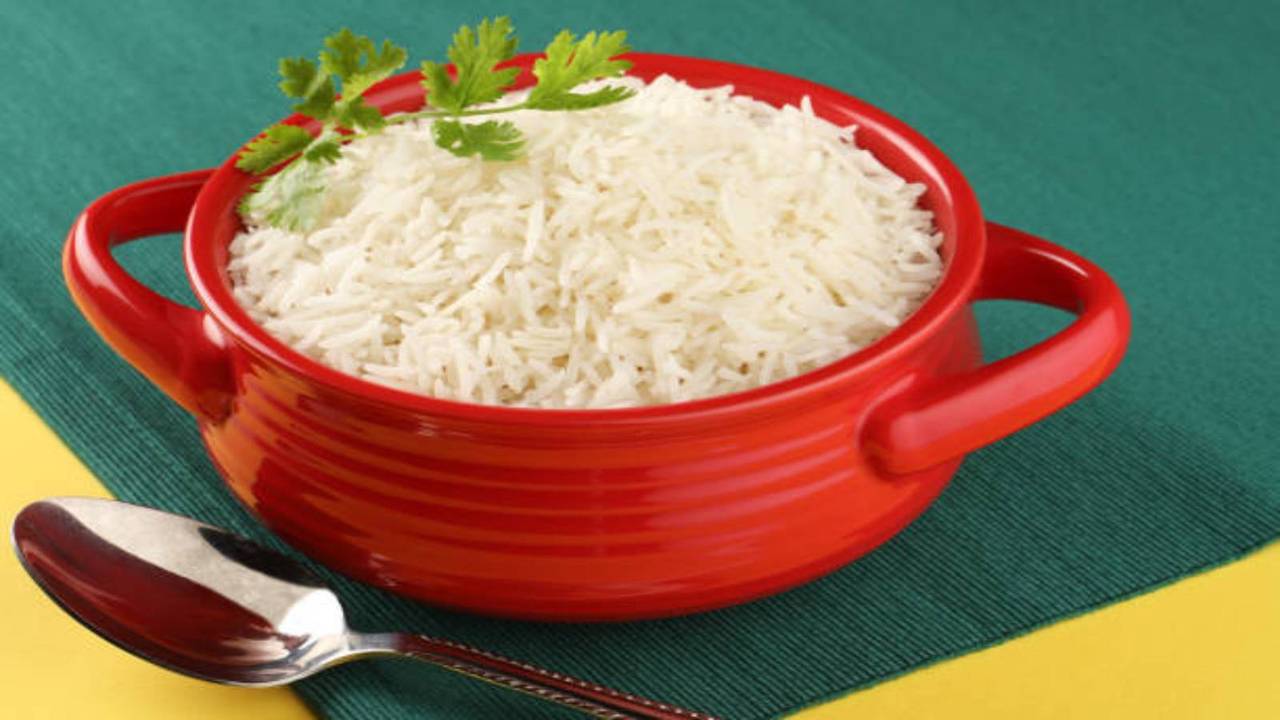
<p>Reheating rice can be risky if not stored properly. Bacteria like Bacillus cereus can grow in leftover rice and produce toxins that reheating can’t destroy. Learn how to store and reheat rice safely to avoid food poisoning.</p><img><p>Indian food is incomplete without rice, lentils, and vegetables. Especially in South India, rice is a must for at least one meal a day. Many cook rice for the whole day at once and reheat it. But did you know this is harmful to your health?</p><img><p>Nutritionists say reheating rice is harmful. If not stored or reheated properly, bacteria called Bacillus cereus can cause serious health issues. This is also known as "Fried Rice Syndrome."</p><img><p>Most bacteria die when rice is cooked, but Bacillus cereus survives. If cooked rice is left at room temp for over two hours, these bacteria grow and produce toxins. Reheating kills the bacteria but not the toxins, which cause illness.</p><img><p>In such cases, you can get sick even from a small amount of leftover rice. Symptoms can appear within 1 to 6 hours of eating.</p><img><p>You might experience nausea, vomiting, stomach pain, diarrhea, and sometimes a mild fever.</p><img><ul> <li>Cool the rice within an hour of cooking. Spread it in a large container or divide it into small portions.</li> <li>Don’t put very hot rice in the fridge; let it cool down first.</li></ul><img><ul> <li>Always store rice in an airtight container.</li> <li>Don’t leave it at room temp for more than two hours, or one hour in summer.</li> <li>Heat the rice thoroughly before eating. But don’t reheat it repeatedly.</li></ul><p>Note: Only make changes to your diet after consulting a health expert or nutritionist.</p>