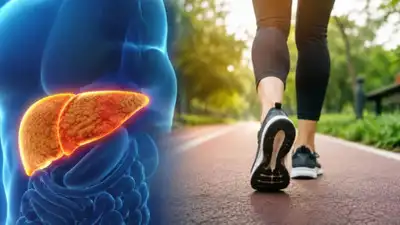
Fatty liver disease is becoming increasingly common worldwide, with Metabolic Dysfunction-Associated Steatotic Liver Disease (MASLD) affecting a significant proportion of adults. The condition is closely linked to obesity, type 2 diabetes, high cholesterol and physical inactivity. But can something as simple as walking help reduce liver fat?
Experts say regular walking supports fatty liver treatment and improves metabolic health. However, walking works best when combined with a healthy diet, weight management and appropriate medical care.
How does walking help fatty liver?
Walking is a moderate-intensity aerobic exercise that can benefit people with fatty liver disease in several ways. Regular physical activity helps muscles use glucose more efficiently, potentially improving insulin sensitivity. Better insulin sensitivity can help regulate blood sugar and reduce the tendency to store excess fat in the liver.
Brisk walking also increases energy expenditure and can support gradual weight loss. It may improve cholesterol levels and reduce some of the metabolic factors associated with MASLD. One of the biggest advantages of walking is accessibility. People who are not accustomed to strenuous exercise can begin with short walks and gradually increase their duration and pace.
How much should you walk?
Doctors generally recommend 150 to 300 minutes of moderate-intensity physical activity every week for adults. For someone with fatty liver, this could translate to around 30 to 45 minutes of brisk walking on most days.
However, people who are currently inactive do not need to start with long walks. Beginning with 10 to 15 minute sessions and gradually increasing activity can make exercise easier to sustain. Simple changes can also increase daily movement. Walking after meals, taking the stairs, walking during work breaks, and choosing to walk for short errands can all contribute to overall physical activity.
Can walking reverse fatty liver?
Walking can help reduce liver fat and improve blood sugar, cholesterol and insulin sensitivity, but it should not be considered a standalone cure for fatty liver.
Weight management is particularly important. Losing around 5 per cent of body weight may reduce liver fat, while greater weight loss of approximately 7-10 per cent may provide additional benefits for liver inflammation and metabolic health in appropriate patients. Importantly, exercise may benefit liver health even when the weighing scale does not show dramatic changes.
Walking alone may not be enough
Effective MASLD management involves more than exercise. A balanced diet rich in vegetables, fruits, whole grains and lean protein can support liver health, while reducing sugary beverages, highly processed foods and excess saturated fat may help improve metabolic risk factors.
Strength training two to three times a week can complement walking by building muscle and improving glucose utilization. Adequate sleep and proper management of diabetes, high blood pressure and high cholesterol are also important.
Why early action matters
Fatty liver often causes no symptoms, particularly during its early stages. But in some people, excess liver fat can progress to inflammation, fibrosis and eventually cirrhosis. Advanced liver disease can lead to serious complications, including liver failure.
People with obesity, diabetes, high cholesterol or unexplained abnormal liver enzymes should discuss their liver health with a doctor. Depending on individual risk factors, healthcare professionals may recommend blood tests, ultrasound or other liver assessments. The key message is simple: walking is an easy way to start improving metabolic and liver health. A consistent brisk-walking routine, combined with healthy eating, weight management and medical follow-up when needed, can be an important part of managing fatty liver disease.