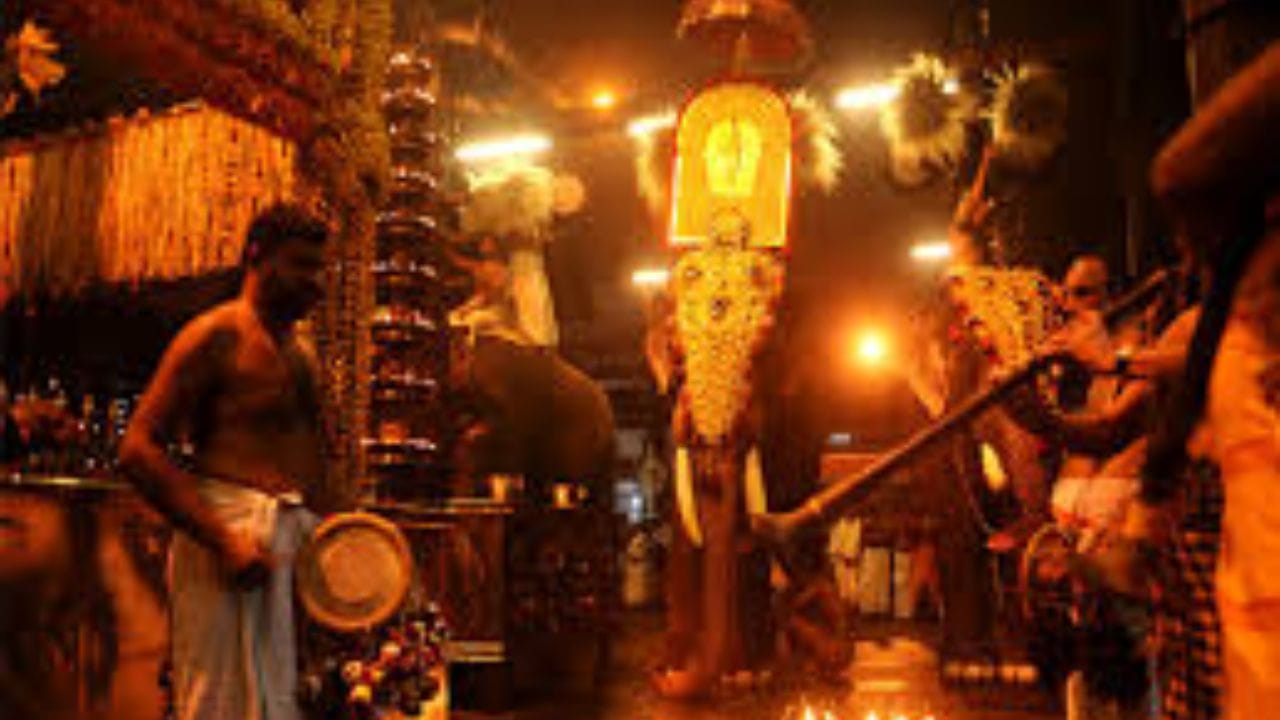
New Delhi: Guruvayur Ekadashi is one of the most important observances at the renowned Guruvayur Sri Krishna Temple in Thrissur district of Kerala. Celebrated in the bright lunar phase of the Malayalam month Vrischikam, this day marks the temple’s consecration anniversary and draws thousands of devotees each year. The Ekadashi is dedicated to Lord Krishna, the presiding deity of the temple, revered here as Guruvayurappan. The spiritual importance connected to this date is also linked to the Bhagavad Gita. This year, Guruvayur Ekadashi is being observed on December 1.
As per belief, this was the day when Lord Krishna delivered the sacred teaching of the Gita to Arjuna on the Kurukshetra battlefield, inspiring righteousness and devotion. Therefore, the day is also celebrated as Gita Jayanti in many parts of the country. Special prayers, rituals, fasting and devotional chanting create a deeply spiritual atmosphere across Guruvayur. Let’s explore Kerala’s Vaishnavite tradition.
Guruvayur Ekadashi rituals
1. Ekadashi fasting traditions
Fasting is the core observance of this sacred day and is believed to purify the mind and soul. Many devotees consume only a single simple meal on Dashami, the day before Ekadashi, and then follow a complete fast. If health does not permit a full fast, fruits and light foods such as wheat-based dishes are allowed, while rice is avoided. Devotees engage in temple visits, recitation of the Bhagavad Gita, Vishnu Sahasranama and devotional singing. The fast is concluded the next day on Dwadashi with the Parana ritual, consuming temple teertham with tulsi, followed by a meal.
2. Spiritual beliefs linked with the vrat
The Ekadashi fast is believed to attract divine blessings, bring peace of mind, improve health and remove obstacles. Many believe that observing this vrat helps wash away the burden of past sins and offers protection and prosperity for future generations. The devotion displayed on this day reflects the deep emotional and spiritual bond that devotees share with Lord Vishnu.
3. Special rituals at Guruvayur Temple
On Guruvayur Ekadashi, darshan timings are carefully regulated due to a large number of visitors. A procession leads to the Parthasarathy Temple at 6:30 am, and later in the evening, a grand chariot procession returns to the Guruvayur Temple with devotional chants and lamps lighting the path. Prasadam, including wheat rice, puzhukku, rasakalan and wheat payasam, is served at designated halls. The queues for prasadam usually operate until the afternoon, depending on the crowd.
4. Dwadashi rituals and feast
The following morning marks the Dwadashiprana ceremony at the Koothambalam inside the temple complex. Devotees offer dakshina to priests, expressing gratitude at the close of the fast. The special Dwadashi Ootu, a ceremonial feast, is organised for devotees and is an important part of completing the sacred observance.
Guruvayur Ekadashi 2025 stands as a powerful blend of devotion, discipline and celebration. The rituals, processions and fasting together reflect Kerala’s strong Vaishnavite heritage, offering devotees a meaningful way to end the year with devotion and grace.