Gujarat has become a national leader in pulse cultivation, setting new benchmarks in gram and tur productivity. Under the Aatmanirbharta mission, the state has significantly increased its pulse farming area and nearly tripled its production.
Gujarat has emerged as a national leader in pulse cultivation, setting benchmarks in gram productivity and excelling in tur production, according to an official press release issued ahead of World Pulses Day, observed on February 10. The press release said India, the world’s largest producer, consumer and importer of pulses, has been focusing on boosting productivity and sustainability in the sector. As part of this effort, Prime Minister Narendra Modi launched the Mission for Aatmanirbharta in Pulses (Dalhan Aatmanirbharta Mission) to enhance domestic production, reduce import dependence and strengthen self-reliance.
Gujarat’s Leadership in Productivity
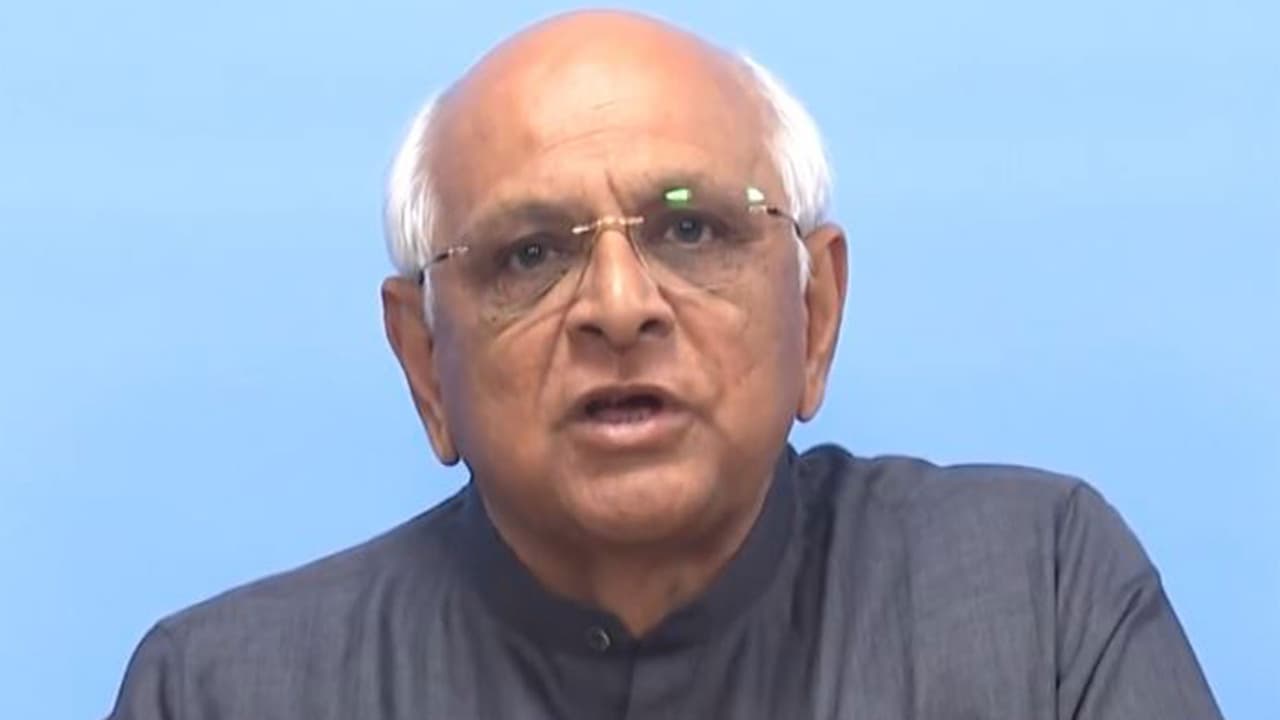
Under the leadership of Chief Minister Bhupendra Patel, Gujarat has made significant strides in pulse farming. From 2021-22 to 2023-24, the state led the country in tur and gram productivity, with average yields of 1199 kilograms per hectare and 1795 kilograms per hectare, respectively. In 2023-24, it ranked first in the country for gram productivity with a yield of 1714 kilograms per hectare.
Diverse Cultivation and Export Growth
Gujarat cultivates a diverse range of pulses, including gram (chana), moong, urad, moth, tur and peas. According to the Agricultural and Processed Food Products Export Development Authority (APEDA), during April to November (2025-26), Gujarat exported 74,652.82 MT of pulses worth USD 69.98 million to global markets.
Significant Expansion in Area and Production
Driven by the Atmanirbhar Bharat Mission, the area under pulse cultivation in Gujarat has expanded significantly over the past five years. The total area under pulses has expanded from 6.62 lakh hectares in 2018-19 to 10.89 lakh hectares in 2023-24. Similarly, production has nearly tripled, rising from 6.79 lakh metric tons in 2018-19 to 15.51 lakh metric tons in 2023-24, with significant growth in gram, moong, moth, and urad.
The cultivation of gram alone has seen extraordinary growth, with acreage increasing from 1.73 lakh hectares in 2018-19 to 6.22 lakh hectares in 2023-24, while production surged from 2.35 lakh metric tons to 10.66 lakh metric tons during the same period.
Government Support and Farmer Initiatives
The press release noted that the Mission for Aatmanirbharta in Pulses supports the cultivation of gram, tur, and urad. Under the Mission, farmers get certified seeds, subsidised demonstrations, and focused training to improve productivity. To further support better yields, the State Government has implemented the Seed Replacement Rate (SRR) scheme, ensuring farmers get quality certified seeds.
Adoption of Modern Agricultural Practices
Farmers are increasingly adopting modern agricultural practices to improve productivity. Mechanisation, improved hybrid varieties, certified seeds, drone-based spraying of pesticides and fertilisers, and advanced seed treatment techniques are helping boost yields.
Mechanisation and Sustainable Methods
Efficient irrigation methods such as drip and sprinkler systems, along with organic fertilisers, mixed cropping, intercropping, and crop rotation, are improving resource use. The use of equipment like threshers, combine harvesters, tractors, and graders has streamlined farm operations, reduced labour, and increased efficiency. Practices such as integrated farming, natural farming, and organic farming have also contributed to higher pulse production. (ANI)
(Except for the headline, this story has not been edited by Asianet Newsable English staff and is published from a syndicated feed.)