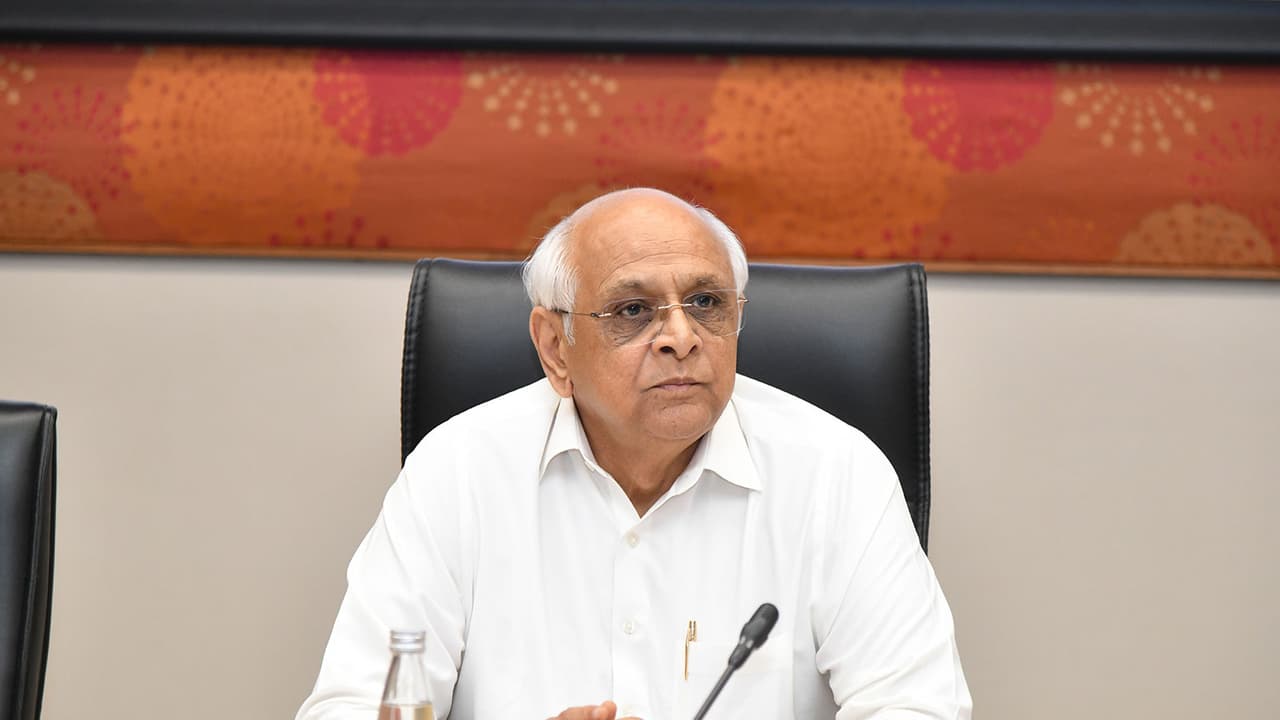
Gujarat CM Bhupendra Patel chaired a Vigilance and Monitoring Committee meeting to review cases under the SC/ST (Prevention of Atrocities) Act. The state was lauded for 100% disposal of helpline complaints and disbursed Rs 23.62 crore in aid.
A state-level Vigilance and Monitoring Committee meeting was held on Wednesday under the chairmanship of Chief Minister Bhupendra Patel in Gandhinagar, according to a press release by the Chief Minister’s office. This committee has been formed by the Social Justice and Empowerment Department under the Scheduled Castes and Scheduled Tribes (Prevention of Atrocities) Amendment Rules, 2018.
According to the release, the meeting reviewed cases registered in 2025 under the Scheduled Castes and Scheduled Tribes (Prevention of Atrocities) Act, 1989, and the Protection of Civil Rights Act, 1955, including assistance provided in atrocity cases and steps taken to promote social harmony. CM guided public representatives and officials to work together with sensitivity to further strengthen social harmony.
Gujarat Ranks First in Atrocity Complaint Disposal
A presentation during the meeting stated that an ultra-modern call centre under the National Helpline Against Atrocities has been operational in the state since March 2022 to prevent atrocities. Gujarat has ranked first in the country with 100 percent disposal of complaints received through this call centre so far.
Financial Aid and District-Level Monitoring
The State Government also disbursed Rs 23.62 crore as assistance between January 2025 and December 2025 in cases of atrocities against Scheduled Castes and Scheduled Tribes, the release stated.
Instructions were given to ensure that District Vigilance Committee meetings are held regularly every three months in all districts under the chairmanship of District Collectors.
Samras Hostel Scheme Benefits Over 1 Lakh Students
Under the guidance of Prime Minister Narendra Modi, the Samras Hostel Scheme was launched in the state in 2016 with the objective of “All Caste Under One Roof,” providing quality accommodation and food facilities to students pursuing higher education. A total of 1.03 lakh students have benefited from 23 Samras Hostels across 12 districts, and 11 boys’ hostels and 14 girls’ hostels have also been approved under the scheme.
Special Courts for Speedy Disposal of Cases
As per the release, special Courts under the Scheduled Castes and Scheduled Tribes (Prevention of Atrocities) Act, 1989, along with 16 exclusive special courts, are working for the quick disposal of cases, as was also informed during the meeting.
Key Dignitaries in Attendance
Tribal Development Minister Naresh Patel, Social Justice and Empowerment Minister Pradyuman Vaja, Ministers of State Manisha Vakil, Ramesh Katara, Darshana Vaghela, Jayram Gamit, and PC Baranda were present for the meeting.
MLAs elected from reserved constituencies of Scheduled Castes and Scheduled Tribes participated in the meeting and presented various representations and suggestions. Chief Secretary MK Das, Director General of Police KLN Rao, Principal Secretary to the Chief Minister Sanjeev Kumar, and Principal Secretary of the Social Justice and Empowerment Department Mohammad Shahid, along with other senior officials, attended the meeting. (ANI)
(Except for the headline, this story has not been edited by Asianet Newsable English staff and is published from a syndicated feed.)