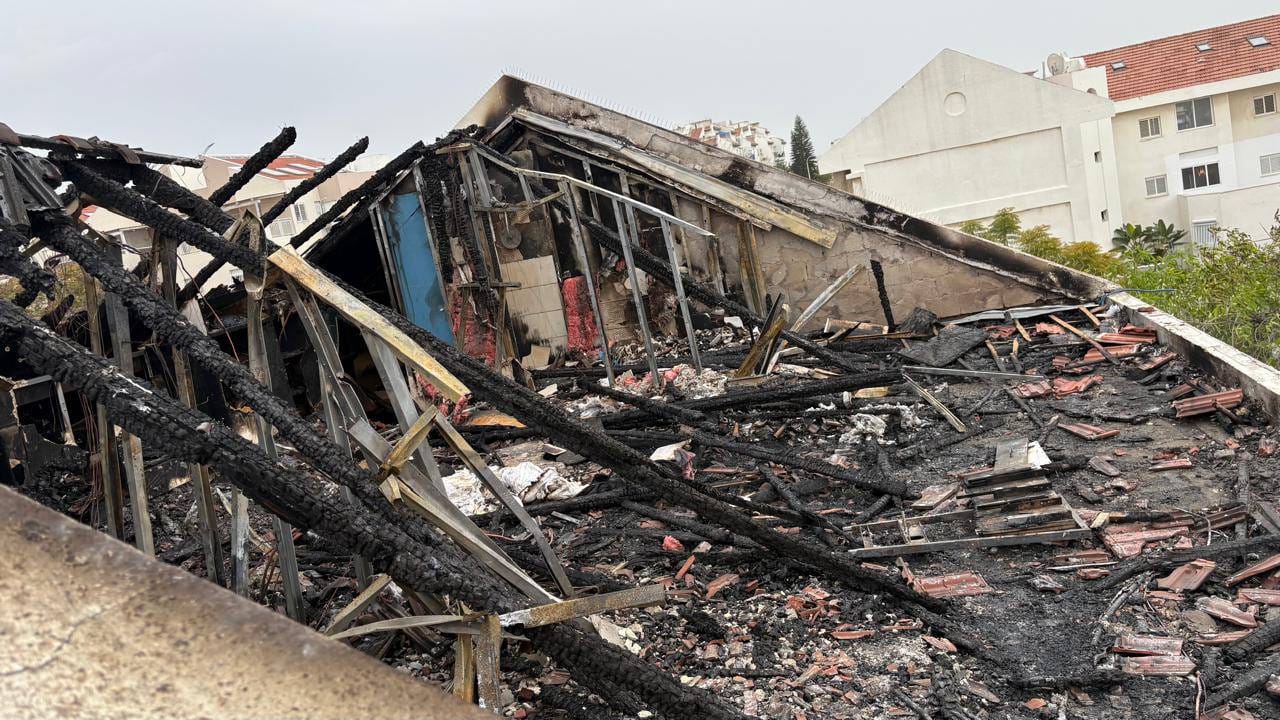
Tel Aviv: Israel has indicated that the current war could continue for at least three more weeks, and preparations are being made for a longer confrontation if necessary. As the conflict escalates, many people around the world are asking a simple question: how much destruction is Israel actually facing?
The straightforward answer is that in any war, every side suffers losses. History and mythology remind us of this reality. Even in the Mahabharata, despite Lord Krishna being on the side of the Pandavas, they still lost Abhimanyu in battle. That example serves as a reminder that war rarely spares anyone. At the same time, it is not the role of a reporter to declare who among Israel, Iran, or the United States represents the Pandavas or the Kauravas. Such judgments belong to the realm of opinion, not reporting.
On the ground in Israel, the impact of Iranian missile attacks varies widely. According to Israeli defence officials and what can be observed during alerts, eight or nine out of every ten incoming missiles are intercepted by Israel’s air defence systems before they reach their targets. As a result, damage often occurs either from debris falling from intercepted missiles or from the few projectiles that manage to strike directly. When a missile does hit its target, however, the destruction can be significant.
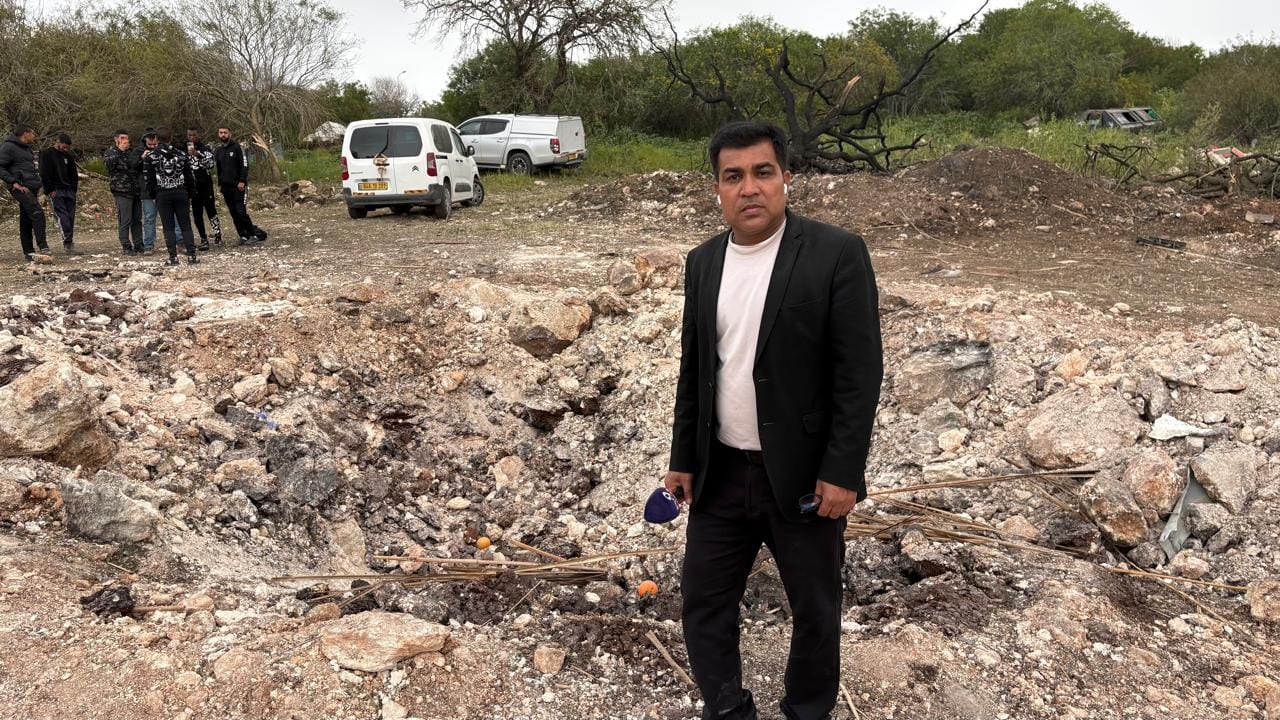
One widely circulated claim on social media is that the true scale of damage in Israel is being hidden from the world. Based on on-the-ground reporting experience, that claim does not fully reflect reality. Journalists who hold official government press accreditation are generally allowed to move with cameras to many affected locations. Security personnel typically permit coverage as long as safety protocols are followed.
Another factor that reduces casualties is Israel’s early warning system. Air raid sirens sound before incoming missile strikes, giving residents crucial time to move into shelters and bunkers. Because of this system, even when residential buildings are damaged or destroyed, many of the occupants manage to reach safety in time.
The most significant impact on Israel at the moment may not be physical destruction but economic strain. Over the past four years, the country has faced repeated cycles of conflict—first in Gaza, then tensions with Lebanon, and now a direct confrontation with Iran. Businesses have been disrupted, tourism has declined, and the financial cost of sustained military operations continues to grow.
Yet there is another dimension to the situation inside Israel. Despite the economic pressure and the constant threat of missile attacks, there appears to be a quiet but noticeable level of public support for the ongoing military campaign. Many people believe that if the confrontation has begun, it must be carried through decisively in order to weaken what they see as a long-standing strategic threat.
Around the world, reactions to this war are mixed, with growing concern about the broader regional consequences. Inside Israel, however, there is also a perception among some that the country has achieved a strategic advantage and is making progress toward weakening one of its most significant adversaries—an objective that Israeli security planners have spoken about for decades.
Ultimately, perceptions of the war will vary depending on where one stands. The account above reflects the reality observed on the ground in Israel, while opinions and interpretations about the conflict will continue to differ across the world.