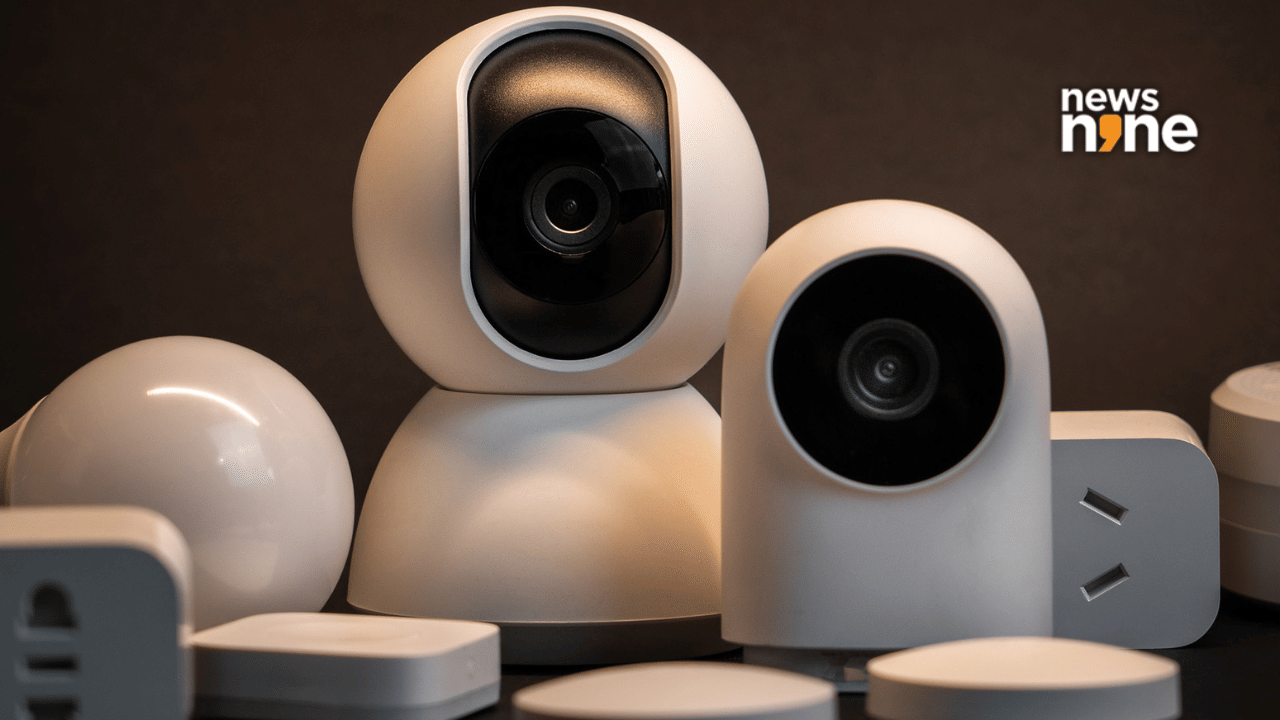
New Delhi: India is preparing for a major shift in its surveillance hardware market, with new rules expected to block several Chinese CCTV brands from selling internet-connected cameras. The move is linked to stricter security and certification norms that aim to tighten control over connected devices used across homes, offices, and public spaces.
WiFi-based CCTV cameras have become ubiquitous in the country, small shops, apartments, even parking areas now run on cheap smart cameras. Most people never check where the hardware or chips come from. That is exactly what the government now wants to change.
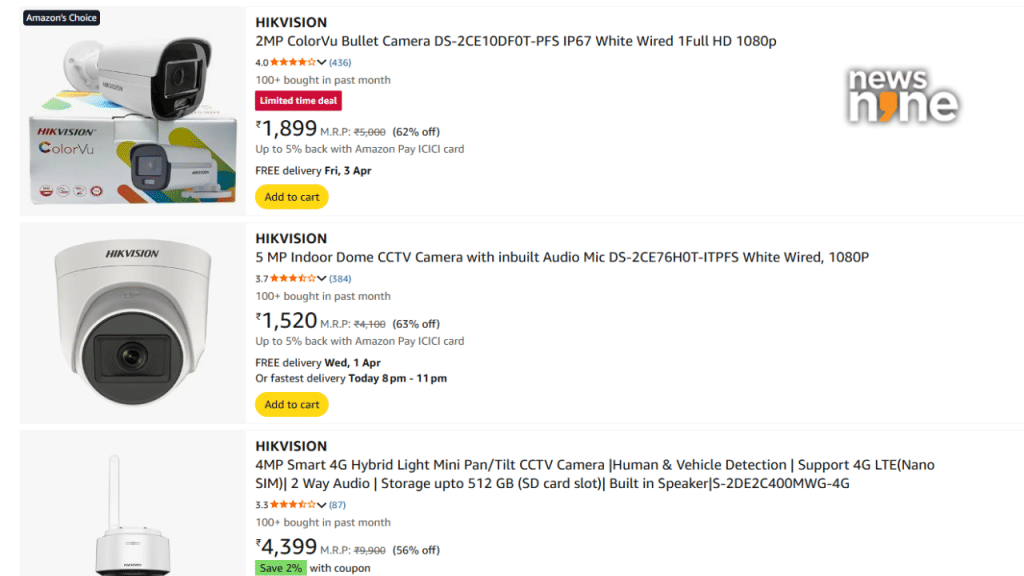
Hikvision CCTV cameras on Amazon.in
Govt to restrict Chinese CCTV brands from April 1
According to a report by Economic Times, companies like Hikvision, Dahua, and TP-Link may no longer be able to sell internet-connected CCTV cameras in India from April 1. The government is planning to deny certification to products linked to Chinese manufacturing or chipsets.
This step follows new Essential Requirements rules introduced in April 2024. These rules gave companies two years to comply with testing and certification standards.
The rules require companies to declare the country of origin for key components like the system-on-chip. Devices must also pass strict security testing to prevent unauthorised remote access. So far, only 507 CCTV models have cleared the certification process.
Indian brands gain market share
The changes have reshaped the industry quite fast. Earlier, Chinese brands accounted for about one-third of CCTV sales in India. Now, domestic companies control over 80 per cent of the market as of February 2026, based on Counterpoint data quoted by the Economic Times.
Indian players like CP Plus, Qubo, Prama, Matrix, and Sparsh have adjusted their supply chains. Many now rely on Taiwanese chipsets and local firmware.
CP Plus has emerged as the market leader, with a share between 45 per cent and 50 per cent. That is a big jump from its earlier 20 per cent to 25 per cent.
At the same time, brands like Bosch and Honeywell are focusing on the premium segment.