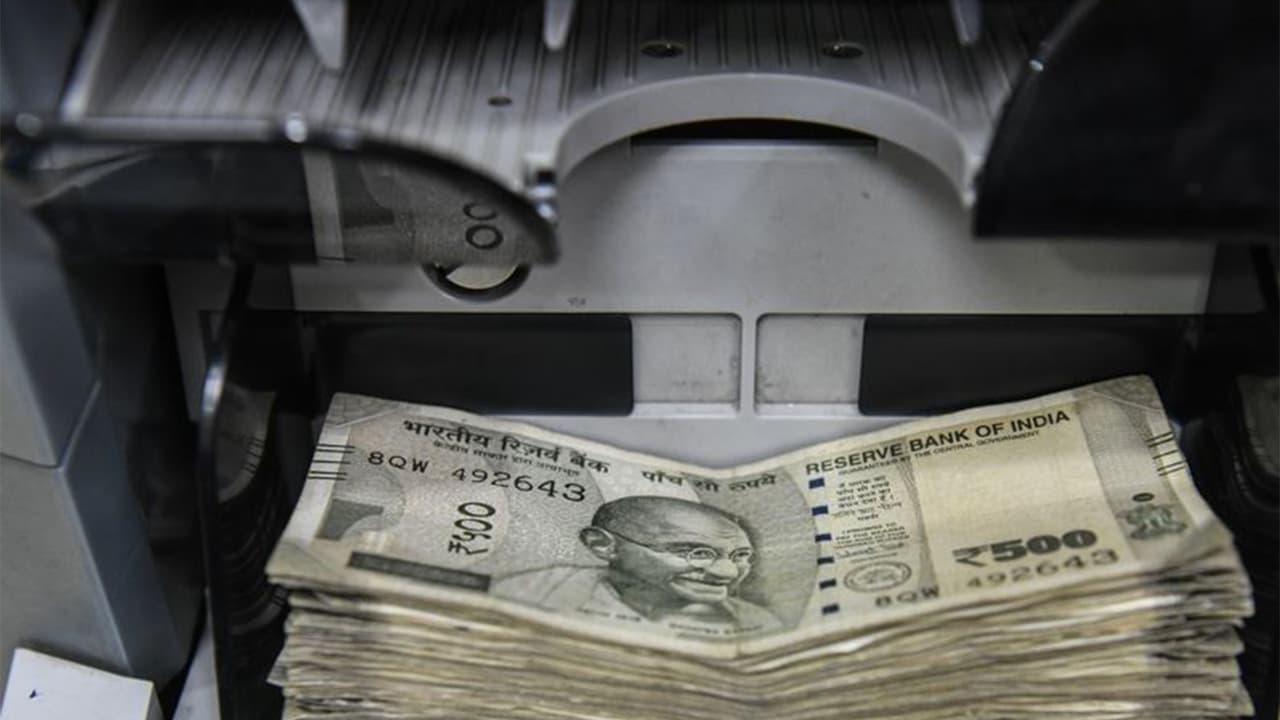
A UBS report indicates governments will likely tap vast private wealth to handle rising debt. It projects a preference for indirect methods like financial repression and selective taxation over politically difficult direct wealth taxes.
Governments across the world are increasingly likely to tap private sector wealth to manage rising debt levels, primarily through indirect measures such as financial repression and selective taxation, according to a report by UBS.
Debt vs Wealth: The Bigger Picture
The report noted that government debt levels remain elevated compared to historical standards, with developed economies projected to see debt reach over 113 per cent of GDP in the coming years. However, it emphasised that the ability to finance debt, rather than the absolute level, remains the key concern.
“Government debt is almost never repaid,” the report said, adding, “it is the ability to finance debt that matters.”
Highlighting the scale of global wealth, UBS said private sector wealth is at record highs and significantly outweighs government liabilities. “The government-debt-to-personal-wealth ratio is much lower…government debt is dwarfed by the resources available to fund it,” the report stated.
The report also highlighted the ongoing intergenerational wealth shift, noting that “over USD 80 trillion of personal wealth” is expected to change hands in the next two decades. It added that “indebted governments will not ignore this”.
Indirect Measures Preferred Over Direct Taxes
Financial Repression to Lower Costs
According to UBS, governments are more likely to rely on financial repression – policies that encourage or compel investment in government bonds – rather than imposing direct wealth taxes.
“Governments are most likely to use repression to encourage or force private investors to buy bonds,” it said, adding that this would help lower borrowing costs.
Selective Taxation Over Wealth Taxes
On taxation, the report suggested that capital gains taxes are more likely to be increased due to their relative ease of implementation and clearer valuation. In contrast, inheritance and wealth taxes were described as less effective and more politically contentious.
“Wealth taxes… are economically unappealing for raising revenue,” UBS said, citing challenges in valuation, high administrative costs, and potential economic distortions.
The report concluded that while governments will seek to mobilise private wealth, indirect mechanisms such as regulatory measures and lower returns on savings are likely to dominate over direct taxation. (ANI)
(Except for the headline, this story has not been edited by Asianet Newsable English staff and is published from a syndicated feed.)