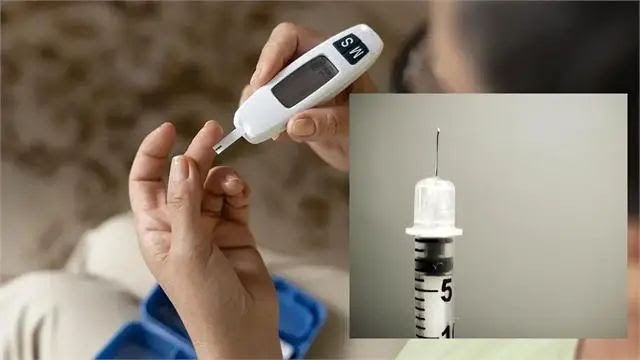
For patients with Type 1 diabetes, it has been a lifelong compulsion to take insulin injections because it is an autoimmune disease in which the body destroys its own insulin-producing beta-cells, but medical science has recently made a major breakthrough.
Stem-cell therapy has emerged as a potential game-changer in the treatment of this disease, giving new hope to patients and doctors around the world.

VX-880 trial changed life
Amanda Smith is a living example of the success of this new technology. He was diagnosed with type-1 diabetes in 2015 but his life changed after joining the stem-cell based clinical trial VX-880. She has not been taking any insulin injection for two years. This became possible through transplantation of insulin-producing cells prepared in the lab. Yale School of Medicine expert Dr. Kevan Harold is still avoiding calling it a complete cure but believes that the research is in the right direction.

How does stem-cell therapy work?
Stem cells are versatile cells in the body that have the ability to transform into any type of specialized cell. Scientists program these stem-cells in the lab in such a way that they start working exactly like natural beta-cells that produce insulin. These prepared cells are then transplanted into the patient’s body.
Due to these new cells the body starts producing insulin again at its own level. This reduces the fluctuations in blood sugar and the patient’s dependence on external insulin is significantly reduced. This therapy works towards eliminating not just the symptoms but the root cause of the disease.

Medical Challenges and Risks
Although this discovery is revolutionary, it also poses some medical challenges:
To prevent the body from rejecting the new transplanted cells, patients have to take immune-suppression medicines. These medicines increase the risk of infection. It is not yet clear how long these new cells will be able to function effectively in the patient’s body. Researchers are now exploring ways in which the body can accept these cells as its own without the need for immune-suppression drugs, through genetic editing or other measures.

Why is this discovery a game-changer?
If stem-cell based treatment is successfully implemented widely, it would prove to be a game-changer in several ways:
Type-1 patients will not have to take injections daily.
Blood sugar control will be easier.
The risk of serious complications related to the disease (kidney, eyes, nerve damage) will be reduced.
The quality of life of children and adolescents will be much better.
Apart from this, this technology can also be used in future in the treatment of other diseases like heart, liver and neurological diseases.