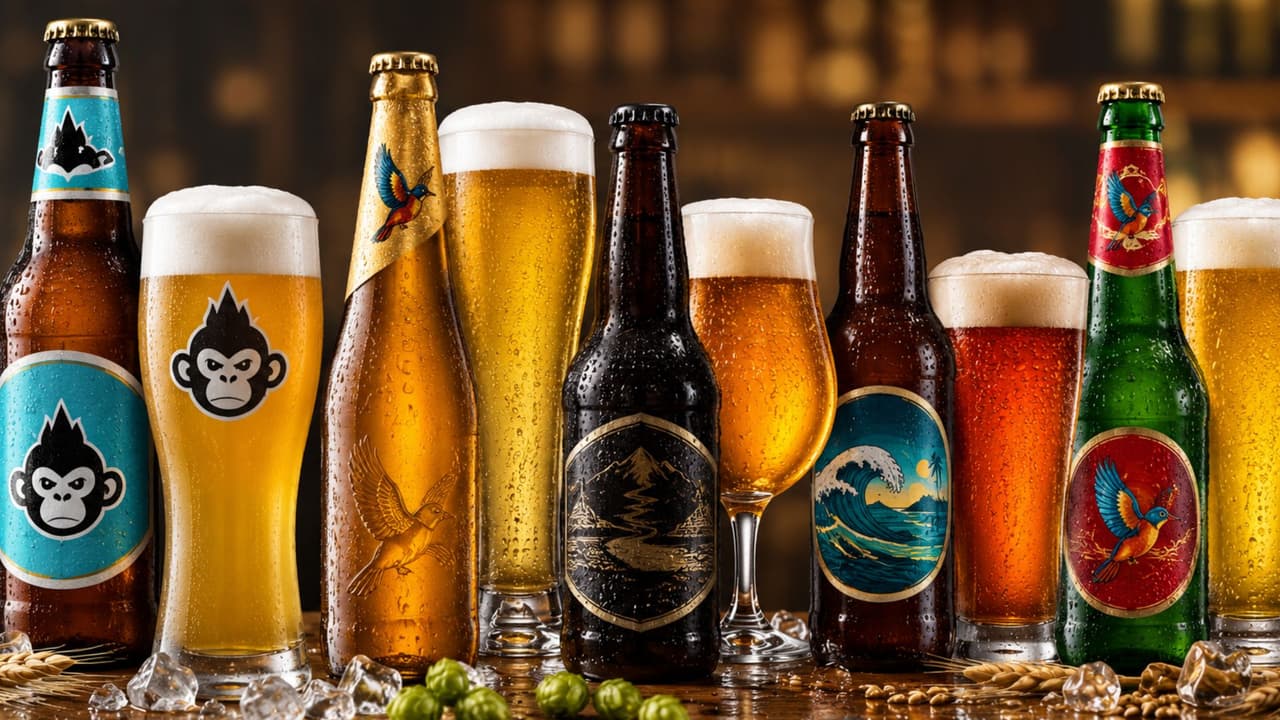
<p>India has a huge number of liquor lovers. But do you know where you get the cheapest alcohol in the country? We tell you which state sells the most expensive liquor and where you can buy it at dirt cheap rates.</p><img>India has a massive base of liquor lovers. State governments actually fill their treasuries with alcohol revenue. But where do you get the cheapest liquor in our country? You will find alcohol at unbelievably low prices in one specific tourist spot. You buy the same brand of liquor, but the price changes drastically when you cross state borders. Goa sells the cheapest alcohol in the country. Karnataka sells the most expensive liquor. You get a good brand of alcohol for just Rs 100 in Goa. The exact same bottle costs Rs 134 in the national capital Delhi, and it touches a whopping Rs 513 in Karnataka. Regular budget brands show this trend, but the price gap between states jumps to Rs 10,000 or even Rs 12,000 when you look at premium and luxury scotch brands.<img>Alcohol stays outside the GST bracket, and this is the main reason behind such massive price differences across states. The central government applies a uniform tax system on almost all goods nationwide, but they excluded alcohol from GST. State governments hold the complete power to decide excise duties and other taxes on liquor. Goa promotes tourism heavily, so the state keeps its excise duty at around 49 percent. Karnataka collects more than 83 percent tax on the same. This huge tax difference directly impacts the retail price of your liquor bottle.<img>Maharashtra, Uttar Pradesh, and Rajasthan also collect heavy taxes on liquor, just like Karnataka. The Karnataka government recently brought a new tax policy based on alcohol volume. This move increased the prices of some regular brands even further. On the other hand, the Haryana and Delhi governments keep their taxes quite reasonable. You will find lower liquor prices there compared to other states. As a result, India does not have a single standard rate for alcohol. The prices run entirely on the excise rules of individual states.