New Delhi: The war between the US-Israel alliance and Iran has created a global disruption in energy supply. After the beginning of the war, Tehran has blocked the passing of ships through the Strait of Hormuz, triggering an energy crisis around the world. Around 20 per cent of world oil passes from the Strait, and many countries bearing the brunt of the energy crisis.
India’s neighbours ask for help
India’s neighbouring nations like Pakistan, Bangladesh, Sri Lanka, and Nepal, are struggling with fuel shortages. Some of them have sought India’s help and have announced measures to reduce fuel and energy consumption as West Asia continues to remain embroiled in war and chaos.
Centre has revealed that several neighbouring countries have asked India for help to battle the energy crisis, including Bangladesh which has asked for diesel. Earlier this week, MEA spokesperson Randhir Jaiswal said, “We continue to supply energy requirements to Bangladesh since 2007. We have also recently supplied 38,000 metric tonnes of petroleum products to Sri Lanka, based on their request. We have ongoing engagement with Nepal and Bhutan, which continues.” However, he added that “domestic availability and production will be factored in before any decision is taken.”
How are they faring?
Pakistan
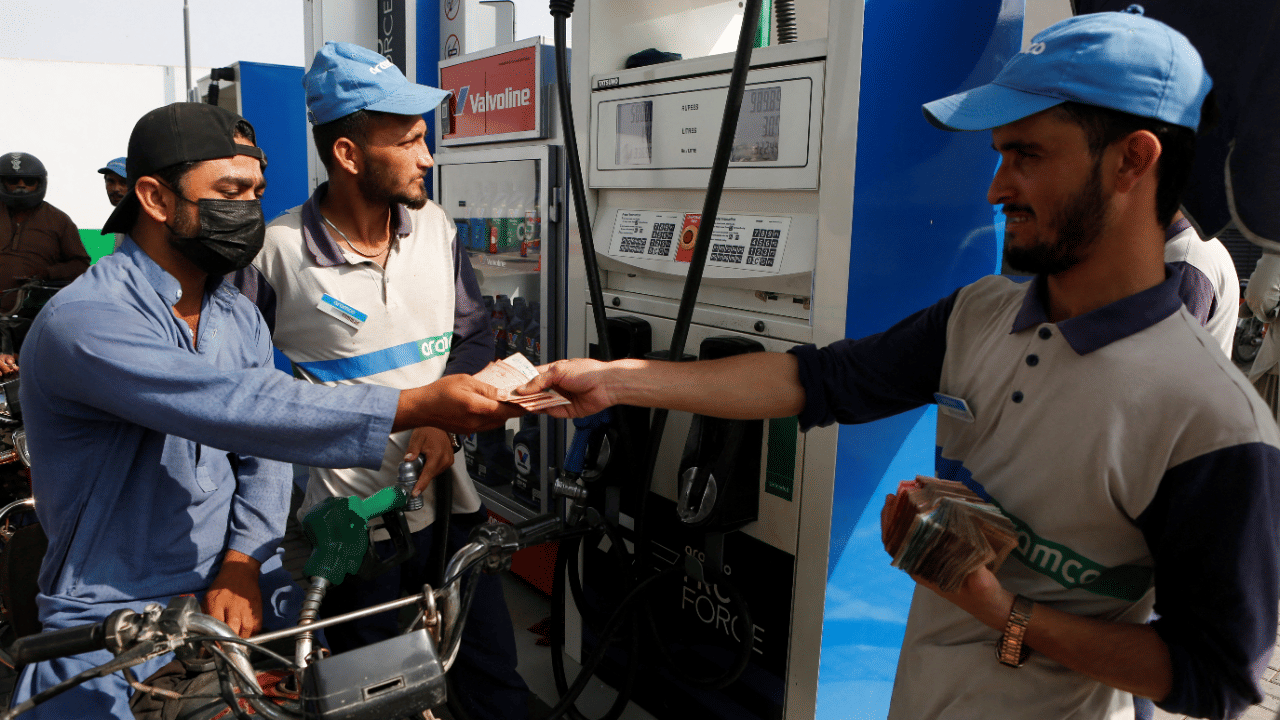
Petrol prices in Pakistan were reportedly hiked by PKR 137.24 to PKR 458.4 per litre. However, after protests in several Pakistani cities, the petrol prices will be cut by 80 rupees, bringing them down to PKR 378. The holidays in schools have been extended, online classes encouraged and government offices will work for four days a week.
To tackle the fuel crisis, the government has decided to impose a two-day complete lockdown every week. Prime Minister Shehbaz Sharif has directed that the entire country will be under a complete lockdown on Saturdays and Sundays every week. During this period, all shops, markets, factories, and other businesses will be completely closed. The service sector will also be closed. Weddings and other functions will not be permitted in public or commercial spaces during these days.
Sri Lanka
So far, India has helped Sri Lanka by supplying around 38,000 tonnes of fuel. The government has rationed fuel, and its price has been increased by a third. Also, the electricity costs have also increased by up to 40 per cent. Also, the use of street lights, neon signs and billboards have been banned. The use of air conditioners have been reduced in state institutions with more shift towards work-from-home and a four-day workweek.
Nepal
Nepal has reduced its working week from six days to five and the government and educational institutions will remain closed for two days every week. As a result, government offices will function from 9 AM to 5 PM from Monday to Friday. Also, the government is taking stock of measures to convert petrol and diesel vehicles to electric power. Last month, half-filled gas cylinders were being sold in the country.
Bangladesh
In Bangladesh, working hours of offices and shops have been reduced and decorative lighting at weddings has been banned. Private and government offices are functioning from 9 AM to 4 PM, and banks are operating from 9 AM to 3 PM. Shopping centres will close at 6 PM in the country as the country battles fuel crisis.