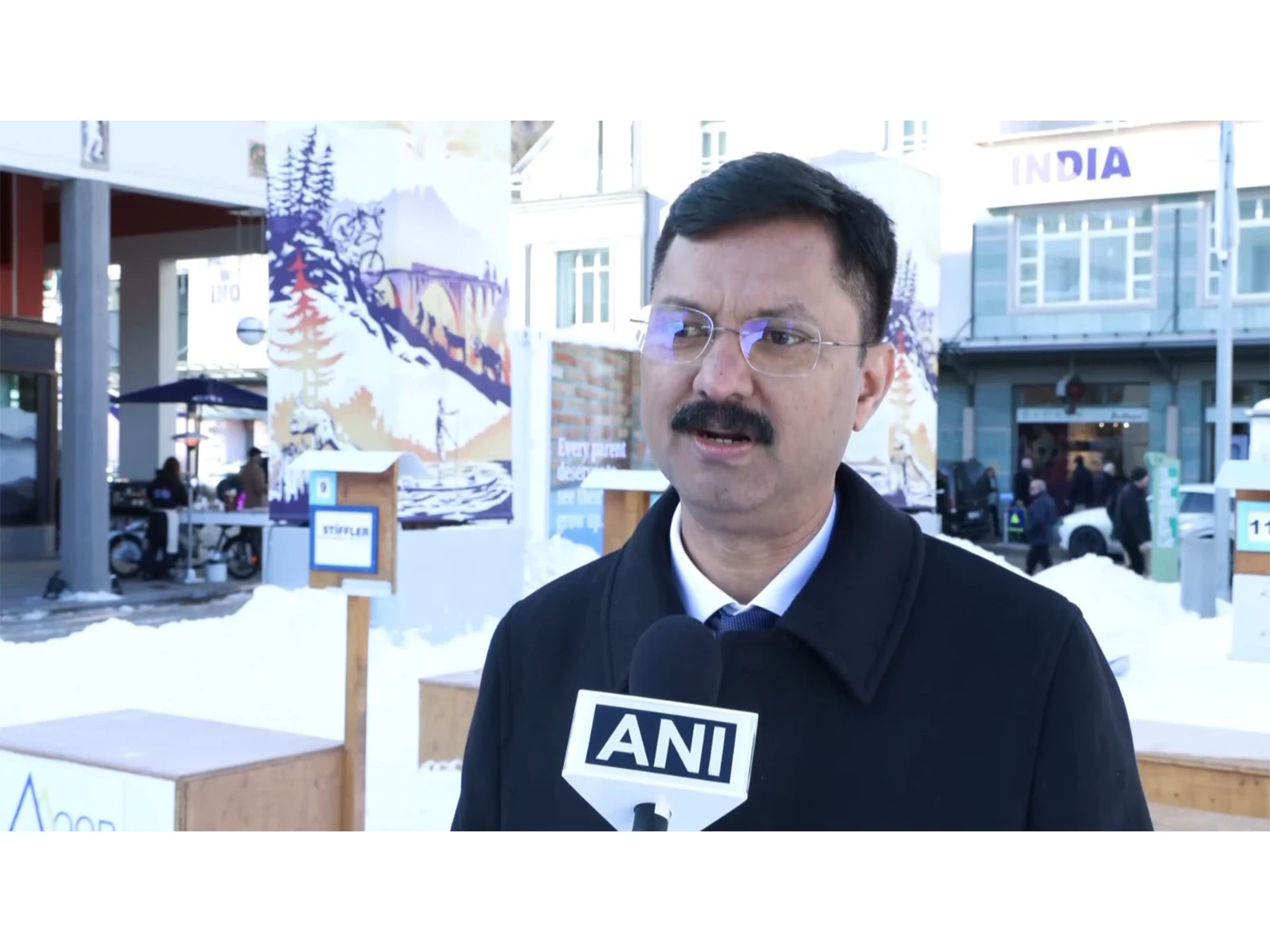
Kaul revealed that the team has lined up approximately 30 bilateral meetings over three days, with immense interest pouring in from various global entities.Reflecting on the rapid growth of the project, Kaul pointed out, “Technically, we are just four years old since we are operating. When we started operations, we were not in the top 100 financial centres of the world. And today we are 43rd. In four years, we have reached 43.”
He shared that the current ecosystem supports 27,000 workers, with a clear target to scale this to 100,000 people by the year 2030, fueled by the strong economic growth story of India.The city has already attracted major international players across various sectors, including banking, fund management, and leasing. Global giants like JP Morgan and Morgan Stanley are already established, alongside 18 international foreign banks and subsidiaries of the NSE and BSE.
Beyond traditional finance, the hub has seen the entry of bullion exchanges, aircraft leasing, and IT/ITeS majors. He noted that the presence of these entities across diverse sectors demonstrates the comprehensive nature of the ecosystem being built.Addressing the business performance of the hub, Kaul suggested that registration rates and global interest are more indicative of success than mere turnover figures. While the asset holding size for banks reached approximately USD 110 billion by September end and monthly trades on the exchanges averaged USD 69 billion, the momentum of new registrations remains the standout metric.