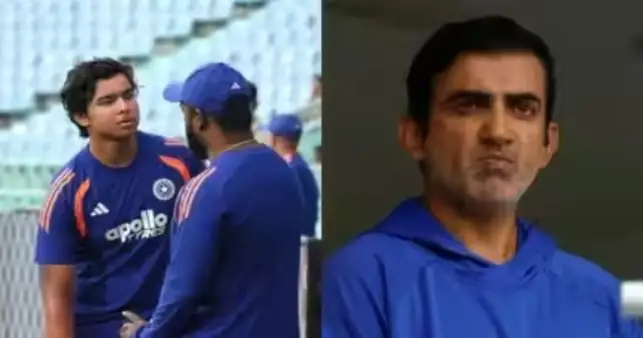
India’s teenage batting sensation Vaibhav Sooryavanshi is facing the challenges of breaking into the national team despite an outstanding Indian Premier League (IPL) campaign.
The 15-year-old has attracted considerable attention with his performances, but he has yet to establish himself in India’s T20 International playing XI. Former India cricketer Murali Kartik has acknowledged the difficult reality young players encounter at the international level, where individual achievements do not automatically guarantee selection. India head coach Gautam Gambhir has emphasised the importance of team requirements, with the management continuing to favour established options at the top of the batting order.
Sooryavanshi’s rise has been one of the most closely followed developments in Indian cricket. His performances in the IPL have strengthened expectations that he could become an important player for India in the years ahead. However, the transition from franchise cricket to the international stage presents a different set of challenges. While his batting ability has generated excitement, the team management must also consider combinations, consistency, experience and the roles required from individual players. These considerations have influenced India’s decisions regarding its opening combination, leaving Sooryavanshi waiting for a more substantial opportunity in the T20I side.
According to the report, Gambhir and Shreyas Iyer have largely preferred Abhishek Sharma and Sanju Samson at the top of the order. The duo has been backed following India’s success at the 2026 T20 World Cup, making it difficult for another opener to secure a regular place. Established combinations often receive priority when they have delivered results, particularly in a format where teams seek consistency and aggressive starts during the powerplay. For Sooryavanshi, this means that impressive performances in domestic and franchise competitions must be accompanied by patience as he competes for limited opportunities in an already settled batting lineup.
Former India cricketer Murali Kartik has described the situation as an example of the harsh realities of international cricket. The central challenge for a young player is understanding that talent and potential alone may not be sufficient to earn an immediate place in the starting XI. Selection decisions depend on the team’s immediate requirements, the balance of the squad and the performances of players already occupying particular positions. Even highly rated youngsters can find themselves waiting when the existing combination is producing results. The situation also highlights the difference between being selected for a national squad and securing a regular place in the playing XI.
Gambhir’s approach to selection has generally placed importance on team combinations and the responsibilities assigned to players. In Sooryavanshi’s case, the competition for opening positions remains a significant obstacle, with Abhishek and Samson occupying roles that are difficult to displace without a change in team strategy or circumstances. The youngster’s age adds another dimension to the discussion, as he has considerable time to develop his game and gain experience. Rather than treating the absence of regular opportunities as a reflection of his potential, the situation illustrates the competition that comes with representing a team competing at the highest level.
For Sooryavanshi, the immediate challenge is to remain prepared while continuing to perform whenever opportunities arise. His IPL achievements have placed him firmly in the national conversation, but converting that recognition into a regular international role will depend on selection decisions and the team’s needs. India’s existing opening combination gives the management continuity, while Sooryavanshi’s performances provide a potential option for the future. Kartik’s observations underline a familiar lesson in professional cricket: outstanding individual performances can open doors, but international selection ultimately depends on a combination of ability, opportunity, timing and team requirements.