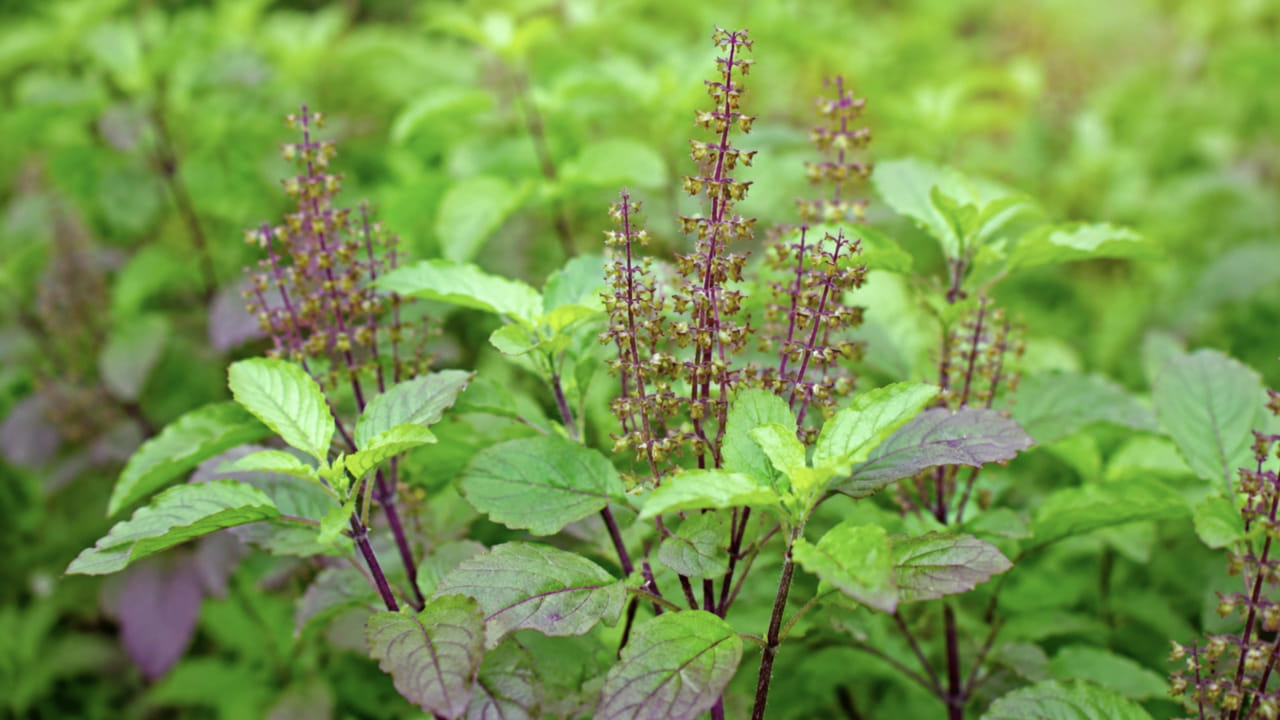
<p>Winter can be harsh on Tulsi plants, causing yellow leaves and stunted growth. These seven simple care tips help protect the sacred plant from frost and keep it thriving.</p><img><p>Tulsi needs sufficient sunlight to stay healthy during winter. Place the pot in a bright spot where it receives several hours of direct sunlight. A sunny balcony, terrace or windowsill can work well.</p><img><p>Frost and chilly winds can damage delicate Tulsi leaves and weaken the plant. Move the pot to a sheltered location during particularly cold nights. You can also loosely cover it with a breathable cloth to provide protection.</p><img><p>Tulsi requires less water during colder months because the soil takes longer to dry. Check the top layer of soil before watering. Water only when it feels dry, and ensure excess water drains out properly.</p><img><p>Waterlogged soil can damage the roots and affect the plant’s overall health. Use a loose potting mixture that retains some moisture but allows excess water to escape. Make sure the pot has adequate drainage holes.</p><img><p>Cold weather can cause some Tulsi leaves to turn yellow or dry out. Gently remove damaged leaves and dry twigs using clean scissors. Avoid heavy pruning when the plant’s growth naturally slows down in winter.</p><img><p>A little organic nutrition can help maintain soil health during winter. Add a small quantity of vermicompost or well-rotted cow dung manure. Avoid excessive fertiliser, as Tulsi’s growth slows during colder weather.</p><img><p>Inspect the leaves regularly for white spots, tiny insects and sticky residue. Remove affected leaves and use an appropriate pest-control treatment if necessary. Keep the area around the pot clean and ensure good air circulation.</p>