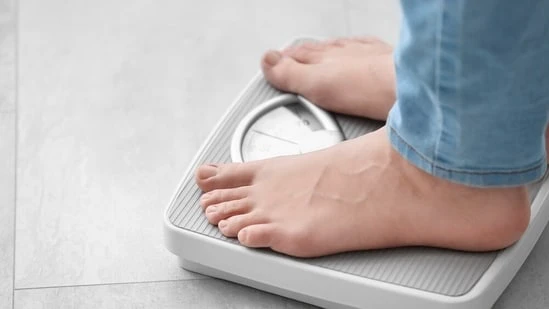
Weight gain during winter, especially after the holiday season, is not unusual and is usually dismissed as a temporary condition, blamed on seasonal change or festive indulgence.
Colder weather usually makes people less active, huddle in blankets, and more likely to indulge in calorie-rich foods like halwa.
The winter season also has several events stacked up one after another, from weddings to year-end parties. Many tend to dismiss them, believing the additional weight can be easily lost. But here’s the catch: the health repercussions can be extensive.
Dr Dinesh Kumar, director of internal medicine at Fortis Hospital, Greater Noida, told HT Lifestyle that sudden weight gain also causes blood sugar levels to rise.He added, “Sudden weight gain reported during the winter months may result in rising blood sugar levels, which may increase the risk of diabetes.”
In fact, there are several reasons why weight gain occurs. Dr Kumar pointed out those factors, such as colder temperatures and shorter daylight hours, which keep people indoors and reduce overall physical activity. This is generally accompanied by significant dietary changes, like eating a lot of fried foods and sweets at events.
Why is sudden weight gain a threat?
Sudden weight gain is associated with a wide range of health concerns, from cardiovascular stress to metabolic problems, making it extremely important to take winter and holiday weight gain seriously.
Dr Kumar elaborated, ” The seemingly short-term weight changes can gradually become long-term health issues. Persistent weight gain, repeated sugar spikes, and rising blood pressure together increase the likelihood of developing diabetes and other lifestyle-related conditions.”
Preventive measures
Winter is surely enjoyable, but it is vital not to get carried away. Your health lies in your own hands, as it is your own prevention efforts that will determine if your winter will go well or be loaded with health issues.
Dr Kumar mentioned some of the non-negotiables: “Maintaining regular physical activity through indoor exercises, practising mindful eating, controlling portion sizes, and limiting sugar and refined carbohydrate intake can help manage weight and blood sugar levels.”
Next, for early detection, the doctor strongly recommended regular monitoring of blood glucose levels during winter. This is particularly important for high-risk individuals, as timely intervention can prevent the issue from worsening. If proper precautions are not taken in winter, then one gains weight and is at increased risk of getting diabetes. This is why creating awareness and encouraging regular health checks are integral to preventing long-term metabolic issues.