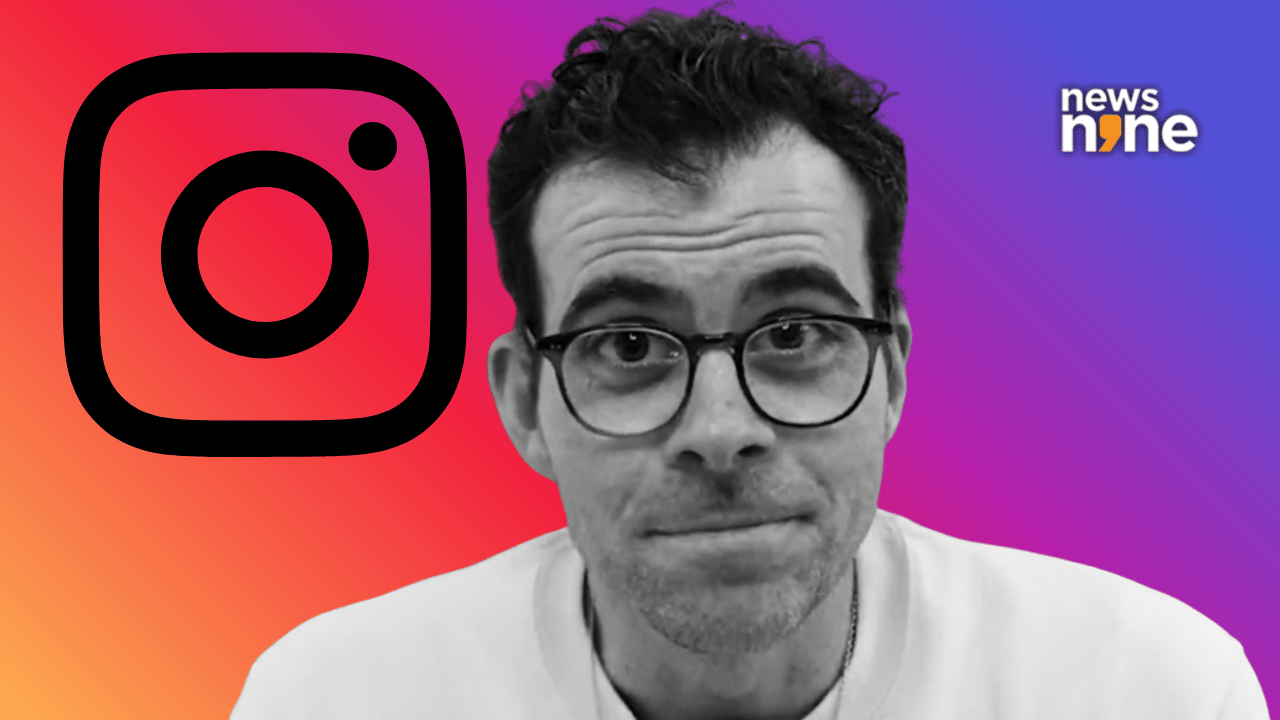
New Delhi: It was the last day of 2025. Most tech leaders shared cheerful year-end posts, success charts, and optimistic plans. Instagram head Adam Mosseri did something very different. He posted a long 20-part memo on Instagram, and instead of talking about growth, new features, and shiny plans, he almost sounded like someone ringing an alarm bell for the future of the internet.
Reading it, felt like he was not just talking to creators or influencers. He was talking to everyone who uses social media every single day. He warned that “authenticity is becoming infinitely reproducible” and that scared honesty many social platforms rarely admit openly.
View this post on Instagram
Instagram boss admits the internet feels less real now
In his memo, Mosseri explained that everything once considered real and human is now easy to copy. He wrote that “deepfakes are getting better” and that “AI generates photos and videos indistinguishable from captured media.” This is a big statement because Instagram is one of the world’s biggest visual platforms. If pictures and videos can no longer be trusted, then the foundation of the app itself changes.
He also pointed out that earlier, power shifted from big institutions to individual creators because people trusted real voices online. But now, even that is under threat. Mosseri said that “we like to complain about AI slop,” but also admitted that amazing AI content exists and soon it will look even more realistic.
The old Instagram is gone, and he says it openly
Mosseri reflected on how people used to see Instagram as a place of perfect lives and polished images. He said anyone above 25 probably remembers that “feed of square photos” with filtered selfies and flawless travel landscapes. According to him, “that feed is dead.” People do not post life updates there anymore. Instead, real sharing has shifted to DMs. Messy photos, shaky videos, flawed moments.
He believes imperfection has become proof. “Rawness is not just aesthetic preference anymore,” he wrote. It is a form of defence. It tells viewers something is real because it is imperfect.
But AI will chase imperfection too
Mosseri’s memo did not stop there. He warned that AI will soon learn how to fake even imperfect content. He said “AI will create any aesthetic you like, including an imperfect one.” That means we will no longer trust visuals by default. People will judge reality based on who is posting, not just what is posted.
He even predicted that the internet will move from believing first to doubting first. He wrote that we will start with “skepticism” and that it will feel uncomfortable.
Instagram plans to respond
Mosseri said Instagram and platforms like it must adapt quickly. He said “platforms will do good work identifying AI content” but over time AI detection will get harder. So instead, “it will be more practical to fingerprint real media than fake media.” That means verified camera signatures, proof chains, and verifying human-created content.
He also suggested giving users more context about accounts. Who runs them. Why they post. And how trustworthy they are.
A rare honest tech moment
Tech leaders usually talk proudly about innovation. Mosseri spoke about doubt. He spoke about fear. He spoke about how humans must now learn to question what they see online. The memo was less like a celebration and more like a warning. Instagram will change. The internet will change. And the idea of truth online is going to face its biggest fight in 2026 and beyond.