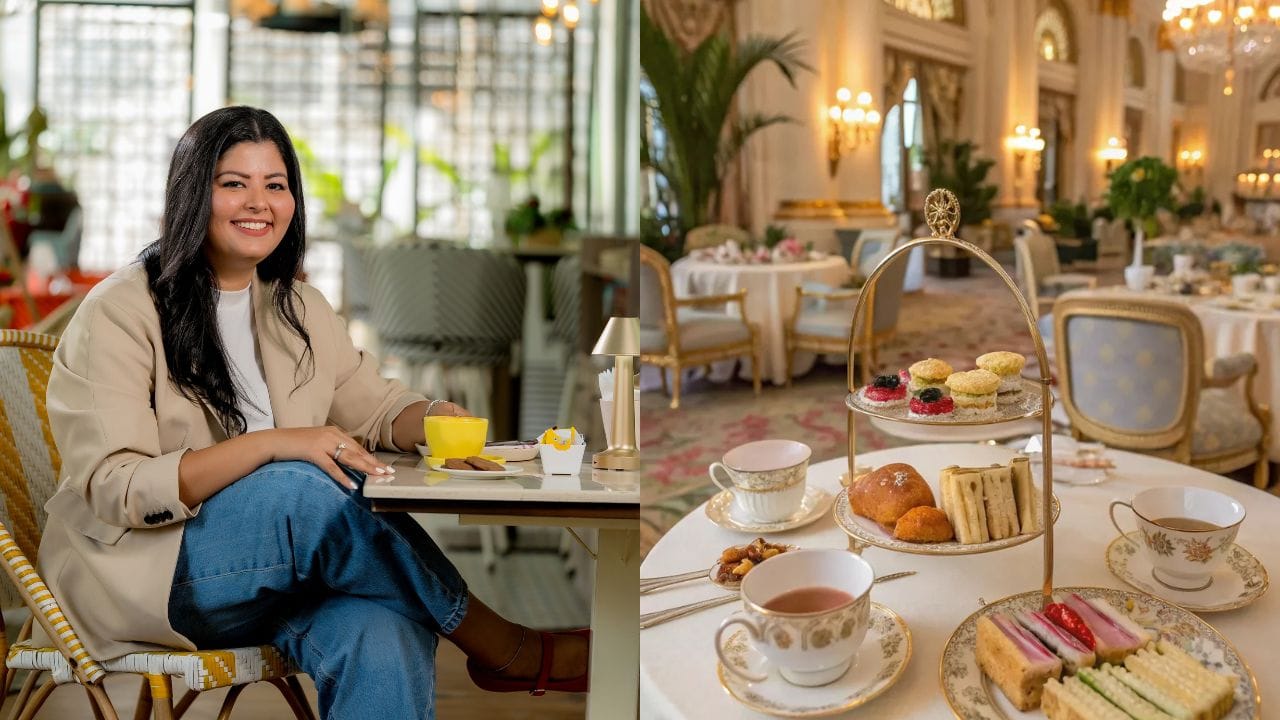
New Delhi: Women entrepreneurs in India are increasingly reshaping the business landscape with a blend of intuition, resilience, and strategic thinking. Across industries, they are moving beyond conventional paths to build ventures that are not only commercially successful but also deeply rooted in experience, identity, and human connection. Their journeys reflect a shift from simply running businesses to creating ecosystems, spaces where ideas, people, and purpose come together to form something meaningful and lasting.
Entrepreneurship today is no longer defined by scale alone, but by the ability to build brands that resonate. Founders are focusing on authenticity, storytelling, and the emotional value their ventures bring to people’s lives. Whether it is through design, service, or the overall experience, modern entrepreneurs are redefining what it means to create impact. Here is Niketa Sharma, Founder of Keish Hospitality, sharing her journey from a male-dominated vertical to giving it a chance to flourish and bring in a fresh perspective.
Building your own brand
With over a decade in hospitality, restaurateur Niketa Sharma has built some of Mumbai’s most recognisable dining spaces. As the Founder of Keish Hospitality Group, she has created restaurants such as Blah!, Suma, Magna and South Stories, each known for blending comfort food with distinctive ambience and experiential dining.
1. What inspired you to step into the restaurant business and build your own hospitality ventures?
Having studied hospitality at Les Roches in Switzerland, I always knew that I wanted to build something of my own in the hospitality space. Restaurants have always fascinated me because they are places where people come together to celebrate life, share conversations, and create everyday moments.
That idea of building spaces where people feel welcomed and connected inspired me to step into the restaurant business. Since then, it has been a journey of learning, building, and creating dining experiences that people genuinely enjoy returning to.
2. The restaurant industry is demanding and fast-paced. What challenges did you face early in your journey?
One of the biggest challenges early on was understanding how different real-world operations are compared to what we learn in theory. Hospitality is an extremely dynamic industry, and nothing truly prepares you for the pace of everyday operations.
From taking hundreds of decisions and managing teams to ensuring smooth service, kitchen coordination, and guest experiences, everything happens simultaneously. Learning how to balance all these moving parts while staying calm under pressure was one of the most important lessons in the early days.
3. Do you think women bring a different perspective to hospitality and dining experiences?
Women certainly bring their own perspective to hospitality, but I also believe that every individual shapes a dining experience in their own way. Some people create spaces focused on experiential dining, others lean toward nostalgia and comfort food, while some experiment with new cuisines or cocktails.
What truly matters is the vision behind the restaurant and how that vision connects with guests. Hospitality is ultimately about creating experiences that people enjoy and return to, regardless of who is leading the concept.
4. In a city like Mumbai with so many dining options, how do you ensure your restaurants stand out?
Mumbai has an incredibly vibrant dining culture, so standing out really comes down to authenticity and consistency. Under the Keish Hospitality Group umbrella, each of our restaurants has its own identity and concept that connects with guests in different ways.
For me, it’s about bringing comfort food together with beautiful aesthetics and a warm atmosphere. When people feel comfortable with both the food and the ambience, they naturally want to return.
Over time, our restaurants become spaces where people meet for conversations, date nights, celebrations, or simply to spend time with friends, and they become part of people’s everyday lives.
5. Have there been moments when you had to challenge stereotypes in the industry?
Personally, I haven’t faced any strong stereotypes in my journey so far. I’ve been fortunate to work with a supportive and passionate team and to receive encouragement from the people around me.
In many ways, the industry has been welcoming and open to new ideas. I believe that when your work speaks for itself and your team shares the same vision, perceptions and assumptions tend to fade away naturally.
My advice would be to spend time understanding the industry before stepping into it. Hospitality is a beautiful business, but it is also one of the most demanding ones. It requires long hours, constant attention to detail, and the ability to manage people and operations at the same time.