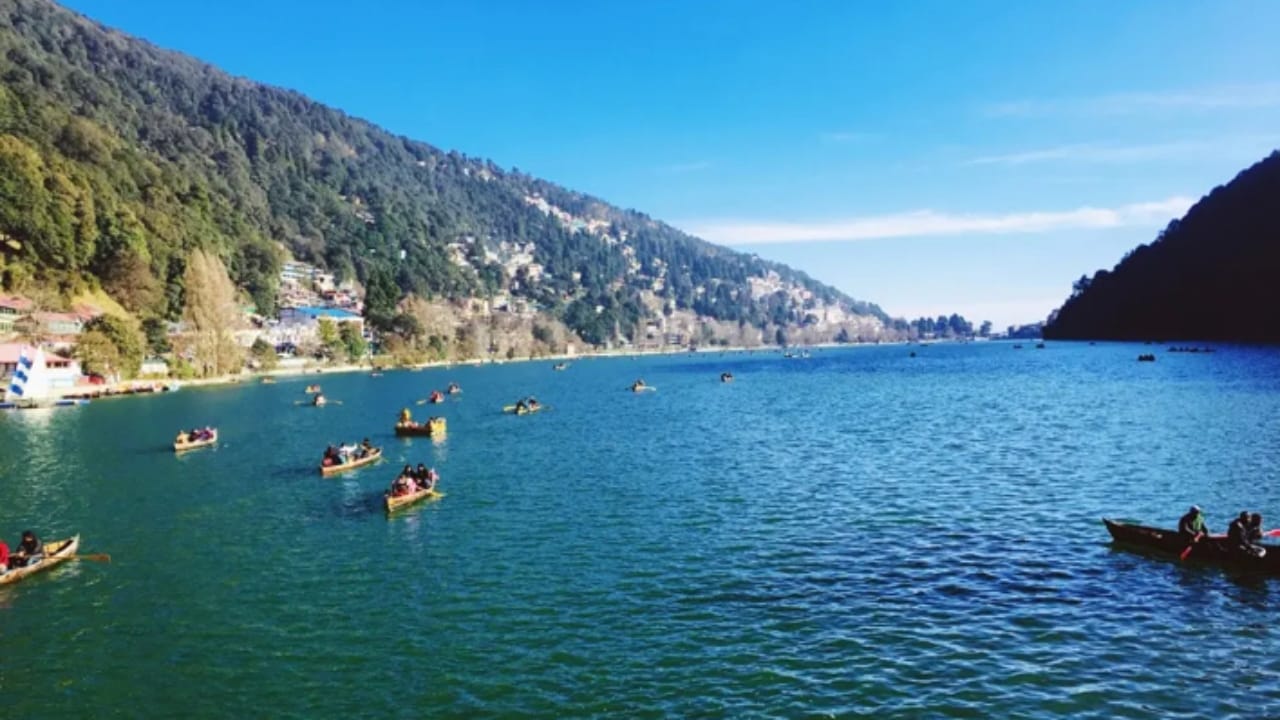
Nainital: Nestled in the lush valleys of Uttarakhand, Nainital is now one of India’s most famous tourist destinations. Its cool climate, shimmering lakes, and cultural richness attract millions of visitors every year. But this bustling town was once an obscure and quiet settlement, known only to locals.
Historian Professor Ajay Rawat explains that Nainital’s development began in 1841, marking the start of urbanization. British officials, seeking relief from the scorching plains, discovered the beauty of Naini Lake and the surrounding hills. The natural charm of the lake gave the town its unique identity.
Colonial Development
Under the leadership of Commissioner George Thomas Lushington (1838–1848), Nainital saw rapid development. Roads, churches, schools, and administrative buildings were constructed, laying the foundation of a modern hill station. Later, during Henry Ramsay’s tenure, Nainital’s importance grew further.
In 1862, the town was declared the summer capital of the North Western Provinces and Awadh. The secretariat functioned six months in Lucknow and six months in Nainital, cementing its administrative and cultural significance.
Education and Tourism
Prestigious schools were established, attracting students from across India. Parents visiting their children added to the tourist flow. Nainital soon became known not only for its scenic beauty but also as an educational hub.
Mary Jim Corbett’s Role
Tourism took a leap forward when Mary Jim Corbett began renting bungalows to British visitors. This initiative provided long-term accommodation and encouraged extended stays, giving rise to organized tourism.
Sports and Culture
Nainital also became a center for sports and cultural activities. Polo, hockey, and football tournaments were held at the national level, drawing participants from across the country. The Sharda Sangha’s All India Drama Competitions staged plays like Andha Yug and Post Graduate, enriching the town’s cultural life.
Indian Visitors and Bengali Influence
Gradually, Nainital’s popularity spread beyond the British. Indian tourists, especially Bengalis, began visiting in large numbers — a tradition that continues today. The blend of colonial heritage and Indian cultural vibrancy made Nainital a truly unique destination.
Modern-Day Nainital
Today, Nainital is a world-class tourist hub, welcoming visitors in every season. Its lakes, heritage sites, and cultural diversity keep the town bustling year-round. From boating on Naini Lake to exploring historic schools and theaters, Nainital offers a mix of natural beauty and historical charm.