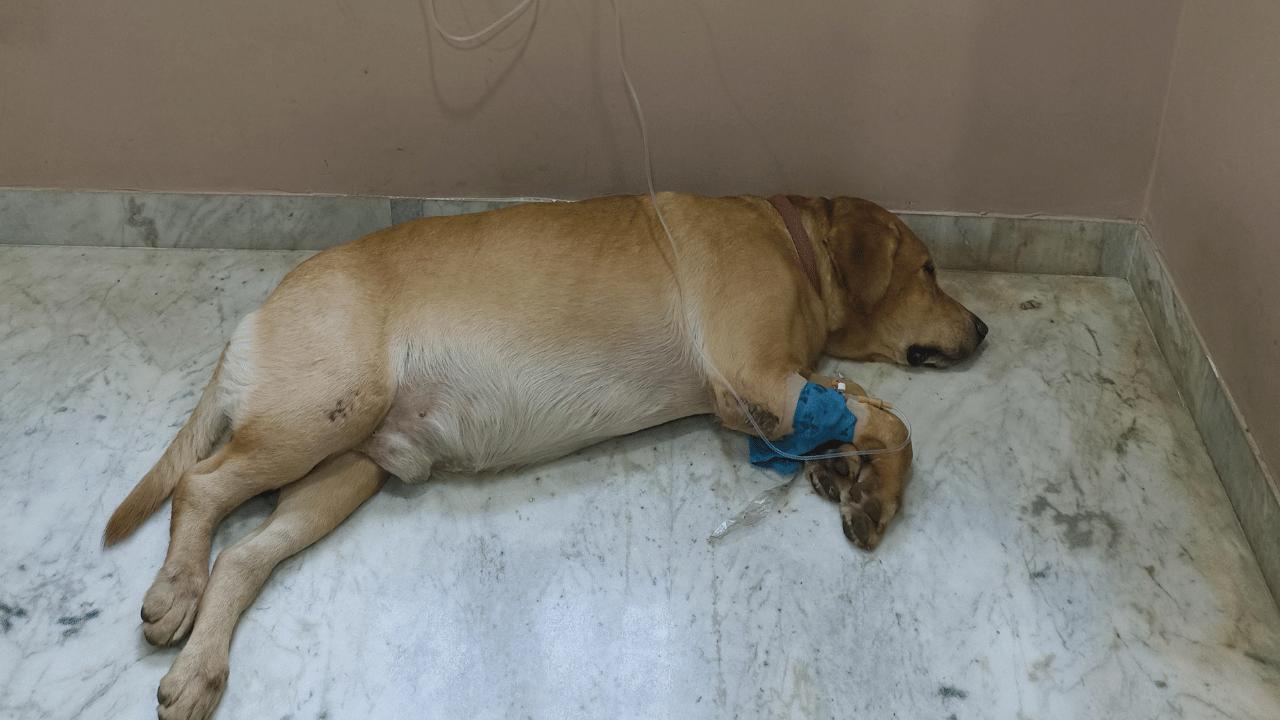
New Delhi: One man has reported that an AI chatbot has assisted in saving the life of his dog, which vets had given less than a five per cent chance of making it. The story was published in a viral Reddit post and has sparked a new discussion on the issue of artificial intelligence use in medical cases and the boundaries of professional care.
The dog was an unusual young pet, Dude, who became ill with severely concerning blood test results. The condition was diagnosed by the clinics of several veterinarians (both government and private clinics), who diagnosed it as chronic kidney failure. The verdict was grim. The owner was informed that he should be ready to expect the worst.
Vets gave up on him. I took the matters into my hands, and won!!
byu/darkdaemon000 inIndian_flex
Desperate turn to technology
The owner has weakened trust in the diagnosis, so with time passing by, he made a decision to get a second opinion. This time it is not in a hospital but in ChatGPT. The man, in his post, indicated that he believed doctors had already given up and he had to do all he could to ensure that he found a solution.
The AI reviewed the symptoms and lab values and found another explanation. In lieu of chronic kidney failure, it increased the likelihood of an acute infection of the kidney. The distinction was crucial. Acute conditions may be treated early enough before they degenerate, unlike chronic failure, which is most likely irreversible.
Missed clues and a different approach
The owner stated that ChatGPT took into account information that he believed was neglected. Dude had taken rotten meat in the street a little before he became ill. He had a high count of white blood cells as well, a common indicator of infection. The emergence of symptoms was also fast, which also led to the notion that the disease might not have been chronic.
The treatment recommendations were at variance. The AI proposed more aggressive fluid therapy depending on the weight and the condition of the dog. The owner claimed that the vets were giving very low amounts of fluid and were very sluggish. He also blamed government hospitals for being overworked and the private clinics for being more concerned with expenses than with urgency.
Recovery against the odds
The man later took Dude home and proceeded with the treatment plan he considered to be appropriate. During the subsequent weeks, the dog improved the situation continuously. Blood values stabilised. Energy returned. Eventually, Dude completely recovered, as the owner stated.
The message ends with the stinging comment. The user indicated that trust, urgency, and accountability are more important than credentials.
Praise, warnings and a bigger debate
The narrative went viral and received both positive and negative interest. The will and unwillingness of the owner to surrender were appreciated by most readers. Other people have cautioned that these are uncommon consequences, and the use of AI in medical advice is dangerous without expert oversight.
Veterinary practitioners too gave their voice, given the overwhelming pressure that clinics were under and the existence of dangers of self-treatment. They emphasised that technology could only help, but it should not substitute trained medical judgement.
The story of hope in the recovery of Dude is emotional. It also brings out an emerging reality. Technology may be a strong support mechanism; however, the safest result is through the combination with human expertise and not the substitution of the expertise.
Disclaimer: This article is based on a personal account and is not medical or veterinary advice; AI tools cannot replace diagnosis or treatment by a qualified professional.