New Delhi: The India Meteorological Department (IMD) has issued a comprehensive weather alert as a potent Western Disturbance is poised to sweep across the Western Himalayan region and Northern India. Starting January 31 and lasting through February 2, the system is expected to bring a volatile mix of heavy snow, torrential rain, and hazardous fog.
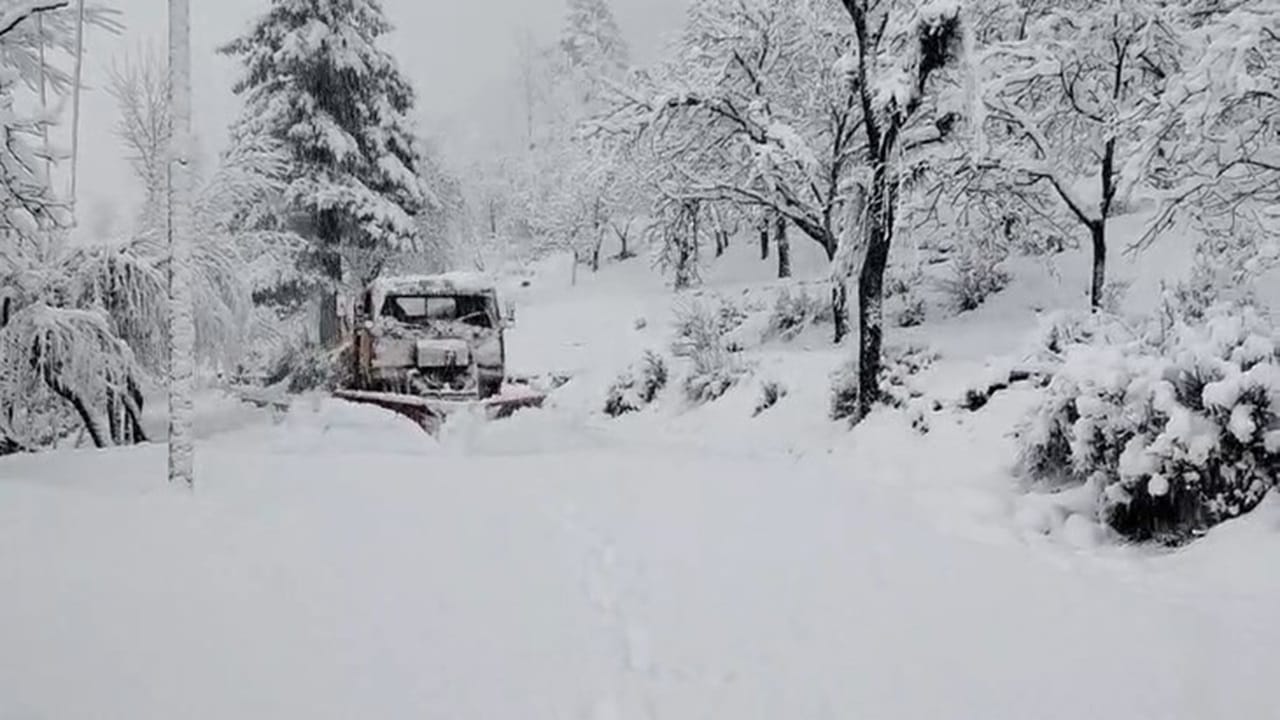
The brunt of the weather system is expected to hit on February 1. The IMD warns of heavy rainfall and significant snowfall across Jammu and Kashmir and Himachal Pradesh. The Western Himalayan region will likely experience scattered to fairly widespread precipitation, accompanied by thunderstorms and gusty winds, making travel in high-altitude areas extremely dangerous.
Rain and hail in plains and central India
The impact will not be limited to the mountains. Light to moderate rainfall is forecast for the plains of Northwest India and parts of Central India. This comes on the heels of recent volatile weather that resulted in hailstorms in Delhi, Punjab, Haryana, Uttar Pradesh, Uttarakhand, Madhya Pradesh, and Maharashtra.
In the last psell of wet weather in the North India, the region witnessed thunderstorms packed with winds ranging from 30 kmph to a staggering 95 kmph across several states, including coastal Konkan. Also, Amritsar recently recorded the lowest minimum temperature in the plains at a frigid 3.7 degree Celsius.
The fog menace and visibility crisis
The IMD predicts thick fog blankets will persist during morning and night hours until February 2, extending into Rajasthan, Madhya Pradesh, Bihar, and Odisha. This is expected to cause major delays for road, rail, and air traffic.
IMD issues safety advisories
The reach of this weather system extends to the coasts. The IMD has issued a Fishermen Advisory, warning against venturing into specific areas of the Arabian Sea and the Bay of Bengal through February 2 due to rough sea conditions.
Public health and travel warnings
With “cold day to severe cold day” conditions already prevailing in Himachal Pradesh, authorities are urging the public to limit unnecessary travel due to poor visibility and slippery roads. The weather department advised public to stay indoors during peak storm activity and extreme cold and monitor health for cold-related issues, particularly for vulnerable populations.