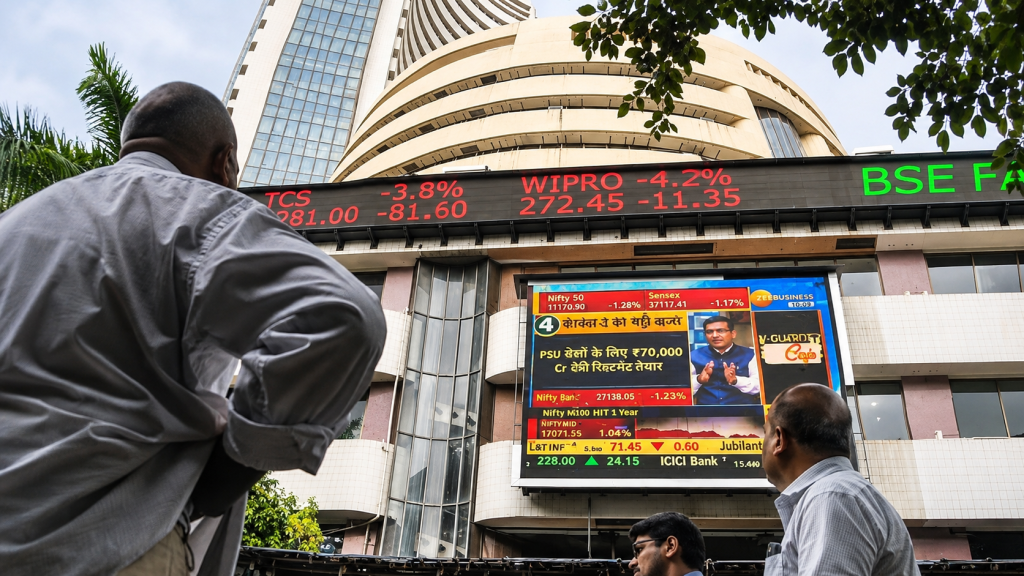
FPI Investment has gathered significant momentum in November, with foreign portfolio investors making a strong return to the Indian stock market after months of substantial withdrawals. According to data from the National Securities Depository Limited (NSDL), foreign investors had invested a net ₹1,14,959 crore in Indian equities up to November 20. This is the highest monthly investment recorded so far this year. The latest figures mark a notable change from October, when overseas investors sold Indian shares worth a net ₹34,843 crore. The turnaround has brought renewed attention to the factors influencing international investment decisions and the sectors attracting the most foreign capital.
FPI Investment has gathered significant momentum in November, with foreign portfolio investors making a strong return to the Indian stock market after months of substantial withdrawals. According to data from the National Securities Depository Limited (NSDL), foreign investors had invested a net ₹1,14,959 crore in Indian equities up to November 20. This is the highest monthly investment recorded so far this year. The latest figures mark a notable change from October, when overseas investors sold Indian shares worth a net ₹34,843 crore. The turnaround has brought renewed attention to the factors influencing international investment decisions and the sectors attracting the most foreign capital.
Fpi investment indian stock market
What Is Behind the Return of Foreign Investors?
Several developments appear to have improved the appeal of Indian equities for overseas investors. One important factor is the changing mood around artificial intelligence-related stocks in global markets. As investors reassess valuations and exposure to AI companies, some capital has found its way towards other markets, including India.
Domestic corporate earnings have also played a role. Better-than-expected financial performance from Indian companies, along with relatively attractive stock valuations, has strengthened the case for investing in local businesses. Lower crude oil prices have provided another supportive factor, as cheaper oil can help reduce cost pressures for several sectors of the Indian economy.
These developments have come together at a time when investors are reviewing their global portfolios. However, the latest inflows should be seen as a shift in market sentiment rather than proof that foreign investors will continue buying Indian shares at the same pace.
Financial Services Receive the Largest Share
The sector-wise investment figures show that financial services have attracted the biggest portion of foreign money during November. According to the available data, the sector received approximately ₹43,100 crore, making it the leading destination for overseas investment.
Other consumer products attracted around ₹8,100 crore, while telecommunications and automobiles received approximately ₹7,600 crore each. Information technology and hardware companies saw inflows of nearly ₹5,100 crore. Fast-moving consumer goods, or FMCG, received around ₹3,000 crore, while other services attracted approximately ₹2,600 crore.
Sector Investment
Financial services ₹43,100 crore
Other consumer products ₹8,100 crore
Telecommunications ₹7,600 crore
Automobiles ₹7,600 crore
IT and hardware ₹5,100 crore
FMCG ₹3,000 crore
Other services ₹2,600 crore
The concentration of investment in financial services suggests that overseas investors have shown particular interest in this segment. Banking and other financial companies often play a significant role in the performance of the broader Indian equity market.
Global Developments Also Influence Investment Decisions
International market movements have also contributed to the changing investment environment. Political developments in the United States and fluctuations in technology stocks across major markets have influenced how global investors distribute their money.
Shares of several AI-linked companies in the United States, South Korea, Taiwan and Japan have faced selling pressure. This has encouraged investors to reassess the risks associated with concentrated exposure to technology-related stocks.
At the same time, developments in the US political environment have added another factor to global market sentiment. Such events can influence expectations around economic policy, interest rates and investment flows, although their impact on individual markets may vary.
Will Foreign Buying Continue in the Coming Months?
The November inflow is encouraging, but several factors will determine whether foreign investors maintain their buying interest. Corporate earnings will remain important, as investors generally prefer markets where companies can demonstrate sustainable growth.
Crude oil prices, US bond yields and the movement of the Indian rupee will also influence investment decisions. Global interest in AI-related businesses could further affect how international funds allocate money between different markets.
For now, it is too early to assume that the recent buying trend will continue at the same level. Foreign portfolio investment can change quickly when global economic conditions or market valuations shift.
Foreign Investors Remain Net Sellers for the Year
Despite November’s strong performance, the broader picture for 2025 remains challenging. Between January and October, foreign investors reportedly withdrew around ₹4.5 lakh crore from Indian equities. March witnessed particularly heavy selling, with net outflows of approximately ₹1.18 lakh crore.
The November investment of nearly ₹1.15 lakh crore has reduced the scale of those withdrawals, but foreign investors remain net sellers for the year based on the figures provided. This distinction is important when assessing whether the latest inflows represent a lasting reversal or a temporary improvement.
What Should Retail Investors Watch?
The return of foreign capital can support sentiment in major stocks, particularly in sectors such as banking, automobiles and large companies. Sustained inflows may also provide support to benchmark indices such as the Sensex and Nifty.
However, retail investors should avoid making investment decisions based only on FPI activity. Foreign funds can change their positions for reasons that may not always reflect the long-term prospects of an individual company.
Company earnings, valuations, debt levels and business outlook remain important considerations. Investors should assess these fundamentals alongside broader market trends before making decisions. November’s figures indicate renewed foreign interest in Indian equities, but the sustainability of that interest will depend on how domestic and global conditions develop in the months ahead.
What Is Behind the Return of Foreign Investors?
Several developments appear to have improved the appeal of Indian equities for overseas investors. One important factor is the changing mood around artificial intelligence-related stocks in global markets. As investors reassess valuations and exposure to AI companies, some capital has found its way towards other markets, including India.
Domestic corporate earnings have also played a role. Better-than-expected financial performance from Indian companies, along with relatively attractive stock valuations, has strengthened the case for investing in local businesses. Lower crude oil prices have provided another supportive factor, as cheaper oil can help reduce cost pressures for several sectors of the Indian economy.
These developments have come together at a time when investors are reviewing their global portfolios. However, the latest inflows should be seen as a shift in market sentiment rather than proof that foreign investors will continue buying Indian shares at the same pace.
Financial Services Receive the Largest Share
The sector-wise investment figures show that financial services have attracted the biggest portion of foreign money during November. According to the available data, the sector received approximately ₹43,100 crore, making it the leading destination for overseas investment.
Other consumer products attracted around ₹8,100 crore, while telecommunications and automobiles received approximately ₹7,600 crore each. Information technology and hardware companies saw inflows of nearly ₹5,100 crore. Fast-moving consumer goods, or FMCG, received around ₹3,000 crore, while other services attracted approximately ₹2,600 crore.
| Sector | Investment |
|---|---|
| Financial services | ₹43,100 crore |
| Other consumer products | ₹8,100 crore |
| Telecommunications | ₹7,600 crore |
| Automobiles | ₹7,600 crore |
| IT and hardware | ₹5,100 crore |
| FMCG | ₹3,000 crore |
| Other services | ₹2,600 crore |
The concentration of investment in financial services suggests that overseas investors have shown particular interest in this segment. Banking and other financial companies often play a significant role in the performance of the broader Indian equity market.
Global Developments Also Influence Investment Decisions
International market movements have also contributed to the changing investment environment. Political developments in the United States and fluctuations in technology stocks across major markets have influenced how global investors distribute their money.
Shares of several AI-linked companies in the United States, South Korea, Taiwan and Japan have faced selling pressure. This has encouraged investors to reassess the risks associated with concentrated exposure to technology-related stocks.
At the same time, developments in the US political environment have added another factor to global market sentiment. Such events can influence expectations around economic policy, interest rates and investment flows, although their impact on individual markets may vary.
Will Foreign Buying Continue in the Coming Months?
The November inflow is encouraging, but several factors will determine whether foreign investors maintain their buying interest. Corporate earnings will remain important, as investors generally prefer markets where companies can demonstrate sustainable growth.
Crude oil prices, US bond yields and the movement of the Indian rupee will also influence investment decisions. Global interest in AI-related businesses could further affect how international funds allocate money between different markets.
For now, it is too early to assume that the recent buying trend will continue at the same level. Foreign portfolio investment can change quickly when global economic conditions or market valuations shift.
Foreign Investors Remain Net Sellers for the Year
Despite November’s strong performance, the broader picture for 2025 remains challenging. Between January and October, foreign investors reportedly withdrew around ₹4.5 lakh crore from Indian equities. March witnessed particularly heavy selling, with net outflows of approximately ₹1.18 lakh crore.
The November investment of nearly ₹1.15 lakh crore has reduced the scale of those withdrawals, but foreign investors remain net sellers for the year based on the figures provided. This distinction is important when assessing whether the latest inflows represent a lasting reversal or a temporary improvement.
What Should Retail Investors Watch?
The return of foreign capital can support sentiment in major stocks, particularly in sectors such as banking, automobiles and large companies. Sustained inflows may also provide support to benchmark indices such as the Sensex and Nifty.
However, retail investors should avoid making investment decisions based only on FPI activity. Foreign funds can change their positions for reasons that may not always reflect the long-term prospects of an individual company.
Company earnings, valuations, debt levels and business outlook remain important considerations. Investors should assess these fundamentals alongside broader market trends before making decisions. November’s figures indicate renewed foreign interest in Indian equities, but the sustainability of that interest will depend on how domestic and global conditions develop in the months ahead.