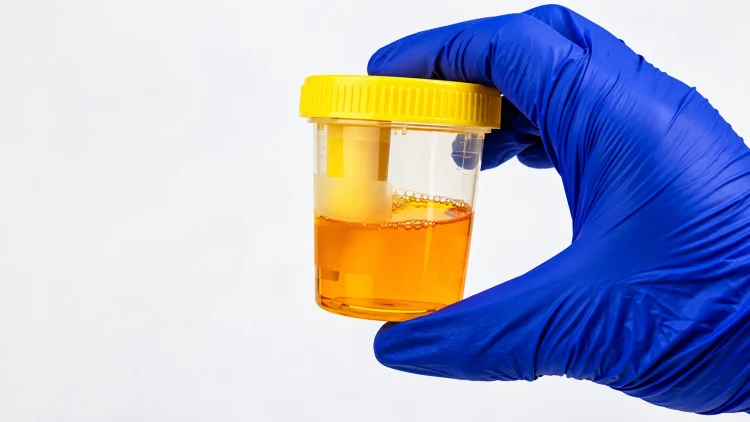
Occasional bubbles in the toilet after urination are not necessarily a sign of illness. However, urine that repeatedly appears unusually foamy, especially when the change persists, can sometimes be associated with conditions affecting the kidneys or urinary system. Yellow urine, on the other hand, is often linked to concentrated urine and may occur when a person has not consumed enough fluids. Doctors generally recommend paying attention to persistent changes rather than assuming that every unusual appearance indicates a disease.
Kidney problems can sometimes affect urine
The kidneys filter waste and excess fluid from the blood while helping maintain the body’s internal balance. When kidney function is affected, substances such as protein can sometimes pass into the urine in larger amounts. This condition, known as proteinuria, may make urine appear frothy or foamy.
Several kidney conditions can be associated with protein in the urine, including chronic kidney disease, glomerulonephritis and nephrotic syndrome. Foamy urine alone, however, cannot establish a diagnosis. A medical evaluation and appropriate urine and blood tests are needed to determine whether a kidney problem is actually present.
UTI may come with other noticeable symptoms
A urinary tract infection can also change the way urine looks or smells. People with a UTI may experience burning or pain while urinating, an increased urge to urinate, frequent trips to the bathroom or unusually strong-smelling urine. In some cases, urine may look cloudy or different from usual.
Foam is not a specific sign of a UTI, so it should be considered alongside other symptoms. Anyone experiencing persistent urinary discomfort, fever, back or side pain, or worsening symptoms should seek medical attention rather than relying on an appearance-based diagnosis.
Diabetes and high blood pressure matter for kidney health
Long-standing diabetes and high blood pressure are important risk factors for kidney damage. Persistently high blood sugar can affect the small blood vessels in the kidneys, while uncontrolled blood pressure can also place additional strain on kidney function.
One early sign of kidney involvement can be an increased amount of albumin or protein in urine. For people with diabetes or hypertension, regular monitoring can therefore be important even when there are no obvious urinary symptoms. Managing blood sugar and blood pressure as advised by a healthcare professional can help reduce the risk of kidney complications.
Dehydration can change urine appearance
Not every change in urine indicates a serious medical condition. When the body does not receive enough fluid, urine can become more concentrated and appear darker yellow. Dehydration may also sometimes make urine look more bubbly or foamy, particularly when urine is passed quickly into the toilet water.
If the change improves after adequate fluid intake and does not keep returning, dehydration may be one possible explanation. However, repeatedly foamy urine should not automatically be attributed to a lack of water, particularly when swelling, fatigue, changes in urination or other symptoms are also present.
When should you get checked?
Persistent changes in urine deserve medical attention, especially when they occur repeatedly or alongside other symptoms. A healthcare professional may recommend a urine test to look for protein, blood, signs of infection or other abnormalities. Depending on the findings and a person’s medical history, additional blood tests may also be required to assess kidney function, blood sugar or other health concerns.
Rather than relying on home urine strips or appearance alone, people with ongoing symptoms should discuss the changes with a qualified doctor. Early evaluation can help identify whether the change is harmless or requires further investigation.