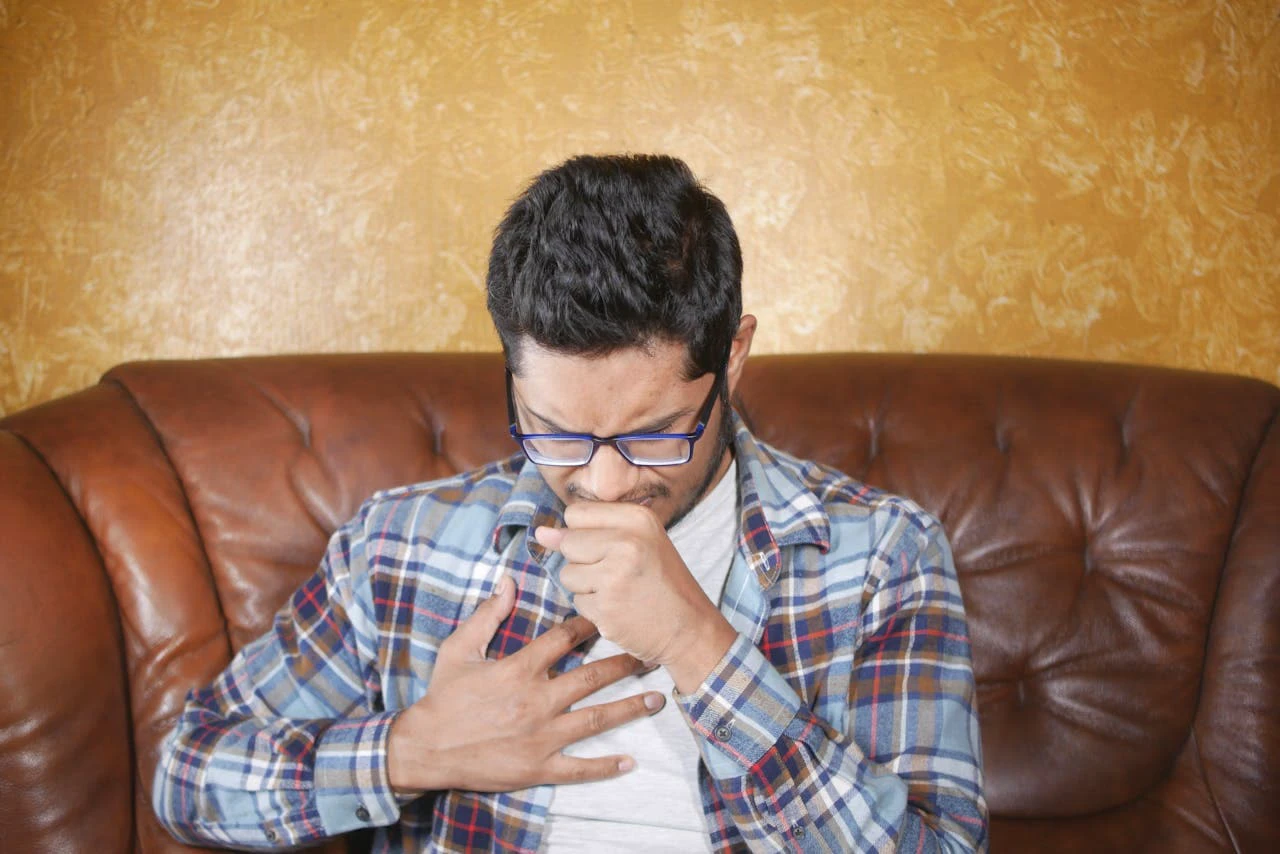
As seasonal respiratory illnesses surge across India, from flu waves like H3N2 to sporadic viral fevers and lingering COVID-19 cases, distinguishing between these common infections is essential for timely care and correct treatment.
Though , viral fever, and COVID-19 all share overlapping symptoms such as fever, cough, and body aches, they differ in how they start, how long they last, and the complications they may cause. Without clarity, many people struggle to decide whether to self-care at home, seek testing or head to a clinic.
In India’s densely populated cities and communities, misidentifying one illness for another could delay appropriate treatment or isolation measures, increasing risk both for individuals and those around them. For example, while influenza typically resolves within a week, COVID-19 may spread silently before symptoms appear and can last longer with more severe outcomes in vulnerable groups. Meanwhile, simple , caused by a variety of viruses, often present milder, self-limiting illness.
Understanding key differences in symptom patterns, incubation periods, diagnostic options, and management strategies empowers people to make informed health decisions and seek the right care at the right time. Here’s a clear and practical guide for Indians to , and to know what to do next.
Primary Differences Between Flu, Viral Fever, and COVID-19
- Flu (Seasonal Influenza): Flu is caused by influenza viruses, especially types A and B. It typically has a sudden onset of symptoms and is most active in cooler months. Certain strains such as H3N2 have driven recent increases in cases in parts of North India, with symptoms including high fever, persistent cough, sore throat, and muscle aches.
- Viral Fever: Viral fever is a broad term used in India for fevers caused by various viruses (not just influenza or SARS-CoV-2). These fevers often accompany common respiratory or systemic viral infections and may include symptoms like low-grade fever, fatigue, headache, and mild respiratory complaints.
- COVID-19: COVID-19 is caused by the SARS-CoV-2 virus, which continues to circulate globally and in India, with variants changing over time. It can range from asymptomatic infection to severe disease, particularly in older adults and people with underlying health conditions.
Key Symptom Differences Between Flu, Viral And COVID-19
Although flu, viral fever, and COVID-19 have overlapping signs, some patterns can help differentiate them, especially when paired with testing.
Onset of Symptoms
- Flu: Symptoms usually appear 1-4 days after exposure.
- COVID-19: Symptoms may show 2-14 days after exposure, often with a longer incubation period.
- Viral Fever: Can emerge anytime but often along with other mild viral symptoms.
Common Shared Symptoms
- Fever
- Cough
- Fatigue
- Sore throat
- Headache
- Body or muscle aches
Both flu and COVID-19 can cause severe symptoms and complications such as pneumonia and respiratory distress, especially in vulnerable groups.
Symptoms That Hint At One Over Another
- COVID-19: Loss of taste or smell is more characteristic. Symptoms can persist longer, and infectiousness may begin before symptoms appear and continue for many days.
- Flu: Onset is often rapid; body aches are typically more intense at start.
- Viral Fever: Often milder and may accompany seasonal weather changes, pollution triggers, or other respiratory viruses common in India. Symptoms often resolve within a few days.
Diagnosis: Why Testing Matters
Because symptoms overlap significantly, alone often cannot confirm which infection you have. Tests are essential:
- RT-PCR / Rapid antigen tests for COVID-19 identify SARS-CoV-2.
- Rapid influenza diagnostic tests can detect flu viruses in symptomatic individuals.
- Other laboratory tests may be used by doctors to rule out complications or co-infections.
Accurate diagnosis guides treatment decisions and public health measures, such as isolation for COVID-19 to prevent spread.
Treatment Approaches For Flu And Viral Fevers
Flu
Antiviral medications such as oseltamivir can reduce severity if started early (typically within 48 hours of symptom onset). Supportive care includes rest, hydration, and fever reducers as advised by healthcare professionals.
COVID-19
Treatment depends on severity:
- Mild cases may recover at home with rest, hydration, and supportive care.
- Moderate to severe cases require medical evaluation and may include antiviral or anti-inflammatory treatments under physician guidance.
- Appropriate isolation and public health reporting are important to prevent spread.
Viral Fever
Most non-specific viral fevers are managed with rest, fluids, and symptomatic relief. Persistent or worsening symptoms warrant medical assessment to exclude complications or other causes.
Prevention Tips For All Three
Prevention overlaps across these respiratory illnesses:
- Vaccination: Annual influenza vaccines and recommended COVID-19 vaccines and boosters significantly reduce risk and severity.
- Hygiene: Frequent handwashing and respiratory etiquette.
- Masking and distancing: Particularly in crowded or high-risk settings.
- Healthy lifestyle: Good nutrition, adequate sleep, and chronic disease management strengthen immunity.
These measures, recommended by global health authorities, help limit spread and protect vulnerable populations.
and COVID-19 all share fever and respiratory symptoms but differ in cause, timing, and progression. While initial symptoms can look alike, careful attention to onset patterns, specific signs like loss of smell, and proper testing are key to accurate diagnosis and effective treatment. Vaccination, responsible behaviour, and early medical consultation are vital for managing these infections and protecting your family. Understanding the differences empowers Indians to make timely health decisions and reduce complications.