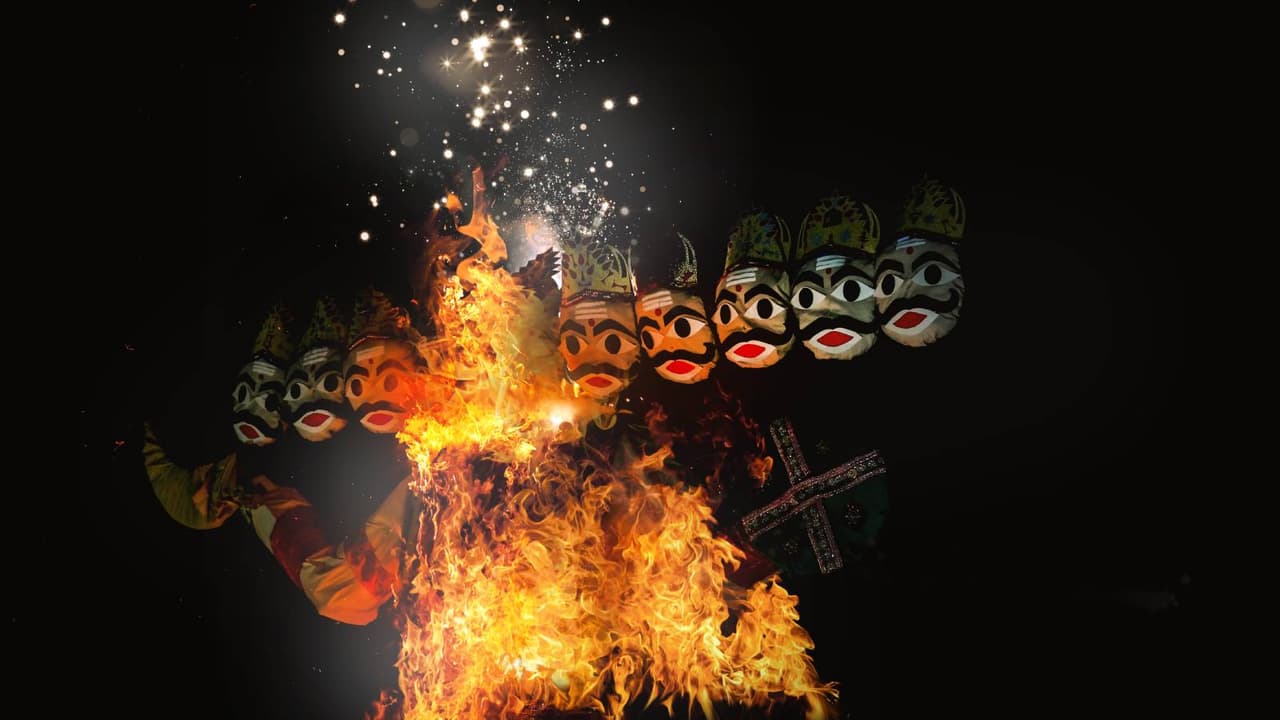
A team of Muslim artisans from Mathura is continuing a five-generation family tradition by crafting a 105-foot-tall Ravana effigy for Jaipur’s Dussehra celebrations. Staying at a local Ram temple during the preparations, their dedication highlights a heartwarming example of interfaith harmony.
As Jaipur prepares for Dussehra celebrations, a team of Muslim artisans from Mathura is drawing attention for continuing a family tradition of crafting Ravana’s effigy. Around 20 artisans are working on a 105-foot-tall structure that will be set alight during the city’s major Dussehra celebration in Adarsh Nagar, offering a heartwarming example of interfaith harmony and shared cultural traditions.
The team travelled from Mathura to Jaipur nearly two months before the festival to begin work on the towering effigy. The craft has reportedly been passed down through five generations of the family, with the artisans returning each year to carry forward the legacy.
A Five-Generation Family Tradition
The work of building Ravana’s effigy traditionally begins soon after Janmashtami. Chand Babu, the lead artisan, has continued the practice alongside members of his family and other craftspeople.
According to reports, the family’s ancestors began making the effigy for Jaipur’s Dussehra celebrations around five generations ago. About 65 years ago, the family reportedly created a 20-foot-tall Ravana effigy for just ₹250. The scale of the work has grown considerably since then, with this year’s structure reaching 105 feet.
Although the artisans pursue other occupations during the rest of the year, they return to Jaipur to honour their family’s longstanding commitment to the craft.
Artisans Stay at a Ram Temple During Preparations
During their stay in Jaipur, the visiting artisans are accommodated at a Ram temple, where arrangements for their food and lodging are also made.
The tradition reflects a relationship built over generations between the artisans and the local Dussehra organising committee. Their work involves weeks of preparation, careful construction and attention to detail to ensure that the giant effigy is ready for the festival.
The artisans have reportedly said that the respect they receive for their work is more valuable to them than monetary rewards.
Dussehra Committee to Honour the Artisans
The Adarsh Nagar Dussehra Committee plans to honour the artisans during the Vijayadashami celebrations. Rajiv Manchanda, the committee’s vice-president, said artists should be recognised for their talent and dedication rather than viewed through the lens of religion.
The committee considers the artisans’ contribution an important part of Jaipur’s annual celebrations and an opportunity to promote mutual respect and communal harmony.
The Dussehra event in Adarsh Nagar is among Jaipur’s largest celebrations. The burning of the 105-foot effigy, preceded by fireworks, typically attracts a large crowd, with reports estimating attendance at around one lakh people.
A Message of Unity Through Art
The annual tradition demonstrates how cultural practices and craftsmanship can bring people together across religious boundaries. For the artisans from Mathura, making Ravana’s effigy is not merely seasonal work but a legacy inherited from their ancestors.
As Jaipur prepares to mark Vijayadashami, their contribution offers a reminder that shared traditions, artistic skill and mutual respect can help strengthen bonds within a diverse society.