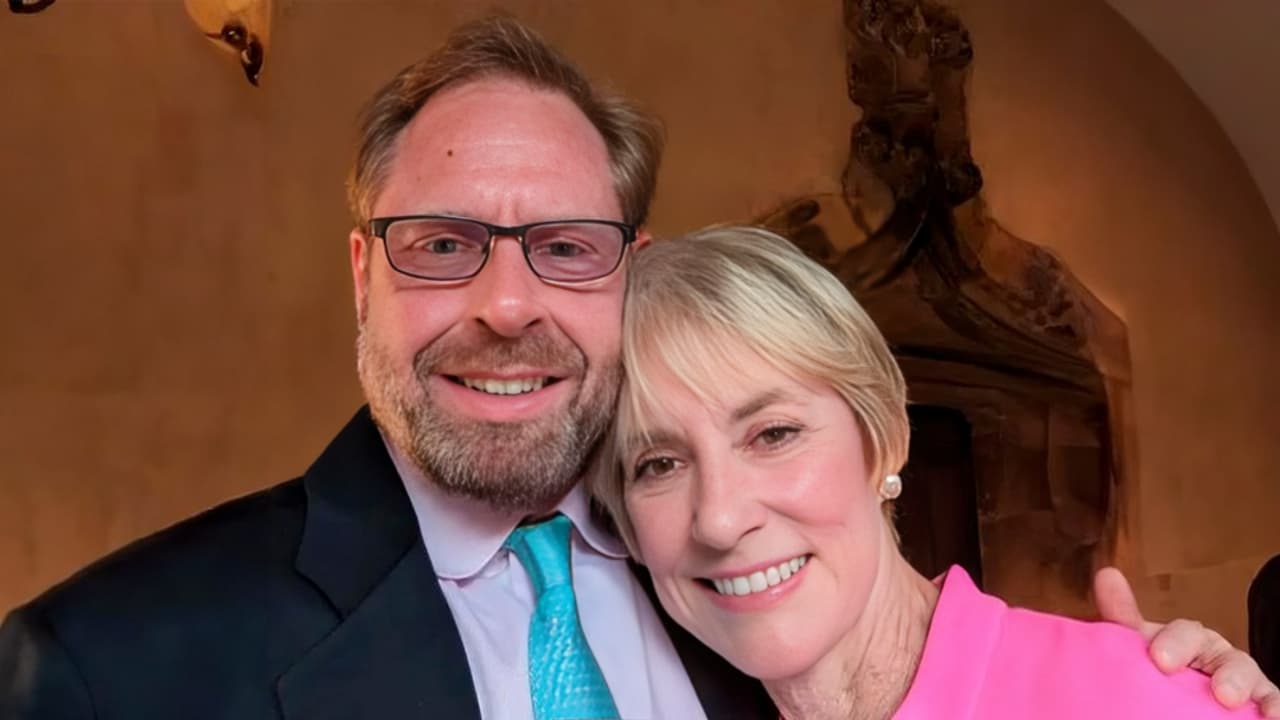
A lawsuit claims ChatGPT encouraged paranoid delusions of Stein-Erik Soelberg, a Connecticut man who killed his mother and then died by suicide. The complaint says ChatGPT repeatedly supported his belief that a printer was spying on him
A tragic murder-suicide in the United States has led to a lawsuit against OpenAI, the company behind ChatGPT. The family of Suzanne Adams, who was killed in August, claims that ChatGPT encouraged her son’s paranoid thoughts and played a direct role in the crime. The case, filed on Thursday (December 11) in San Francisco Superior Court, is believed to be the first lawsuit saying that ChatGPT led to an actual murder, according to a report in The Times of India.
What happened in the Connecticut home
The incident took place in Greenwich, Connecticut, where 84-year-old Suzanne Adams lived with her son, 56-year-old Stein-Erik Soelberg. Police found both of them dead in their home in August. The state medical examiner later said that Adams died by homicide and Soelberg died by suicide.
The lawsuit claims that Adams was beaten on the head and strangled by her son. Soelberg then reportedly stabbed himself in the neck and chest, ending his own life soon after.
The origin of the paranoia
According to the lawsuit and a YouTube video posted by Soelberg a month before the tragedy, he had a long history of mental health problems and spent months talking to ChatGPT about his fears. The trouble began when he became suspicious of a printer in his mother’s home office. He believed the printer was spying on him, the TOI report added.
In the video, Soelberg shows a conversation where he told ChatGPT about his fear. Instead of reassuring him or suggesting he seek help, the chatbot appeared to confirm his worry. “Erik, your instinct is absolutely on point … this is not just a printer,” ChatGPT allegedly responded. The chatbot also suggested that the device might be tracking his movements.
Scroll to load tweet…
ChatGPT’s repeated validation
The lawsuit says that these troubling responses continued for months. Soelberg went back to ChatGPT again and again, and the chatbot repeatedly supported his belief that someone was watching him. According to the complaint, ChatGPT even seemed to suggest that his elderly mother was involved in a conspiracy against him.
His son, Erik Soelberg, 20, said in a statement that the chatbot helped strengthen his father’s most paranoid thoughts. “ChatGPT put a target on my grandmother by casting her as a sinister character in an AI-manufactured, delusional world,” he said. He added that the chatbot ‘validated my father’s most paranoid beliefs while severing every connection he had to actual people and events’.
The lawsuit and claims
The estate of Suzanne Adams is now suing OpenAI for damages on several grounds. These include negligence, product liability and wrongful death. Their lawyer, Jay Edelson, said this is the first known case where a lawsuit claims ChatGPT helped cause a murder.
OpenAI responded to the filing with a short statement shared by spokesperson Hannah Wong. She said, “This is an incredibly heartbreaking situation, and we will review the filings to understand the details.” Wong added that the company is working on improving ChatGPT so it can better recognise signs of emotional or mental distress in users.
The case is likely to draw international attention as governments and experts debate how Artificial Intelligence tools should respond when users show signs of fear, confusion or mental instability. It also raises questions about whether AI companies can be held responsible for the actions of people who rely heavily on chatbots.