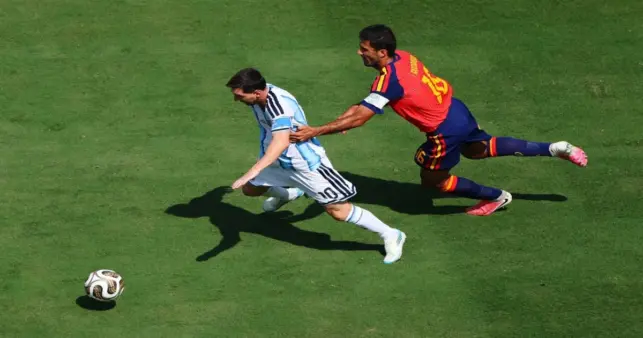
Spain midfielder Rodri won the FIFA World Cup 2026 Golden Ball award despite recording no goals or assists during the tournament, beating high-profile contenders including Argentina captain Lionel Messi.
While Messi produced impressive attacking numbers and played a key role in Argentina’s run to the final, Rodri’s influence in controlling matches and driving Spain’s possession-based football earned him the tournament’s top individual honour.
Messi entered the World Cup final as one of the leading candidates for the Golden Ball after a remarkable campaign. The Argentina forward had scored eight goals and provided four assists before the final, ranking among the tournament’s top performers. His overall World Cup career tally had also reached historic levels, further strengthening expectations that he could win the award for a third time.
However, Messi’s impact in the final was limited as Argentina suffered a 1-0 extra-time defeat against Spain. The veteran forward had fewer touches than usual during the match and was unable to influence the game in the decisive moments. Spain’s defensive organisation and midfield control restricted Argentina’s attacking opportunities throughout the contest.
Rodri’s selection highlighted the changing criteria for the Golden Ball, which does not rely only on goals and assists. The Manchester City midfielder played a central role in Spain’s successful campaign by controlling possession, connecting defence and attack, and maintaining the team’s structure throughout the tournament. His ability to dictate the pace of games made him one of Spain’s most influential players.
According to FIFA statistics, Rodri completed 753 passes during the tournament with a 94 per cent accuracy rate, the highest among all players. He was involved in more than 1,800 phases of play and consistently contributed through interceptions, defensive support and progressive passing. In the final, he completed 101 of 105 passes, won a large majority of his duels and created two chances.
Spain’s defensive record also strengthened Rodri’s case for the award. The team conceded only one goal across eight matches, with the midfielder providing protection in front of the defence while helping maintain possession. FIFA described his performances as a major factor behind Spain securing their second World Cup title.
While Messi’s attacking brilliance and historic achievements made him a strong contender, Rodri’s all-round contribution to Spain’s tactical success ultimately earned him the Golden Ball. The award recognised his influence beyond traditional scoring statistics and highlighted the importance of midfield control in a team’s championship victory.