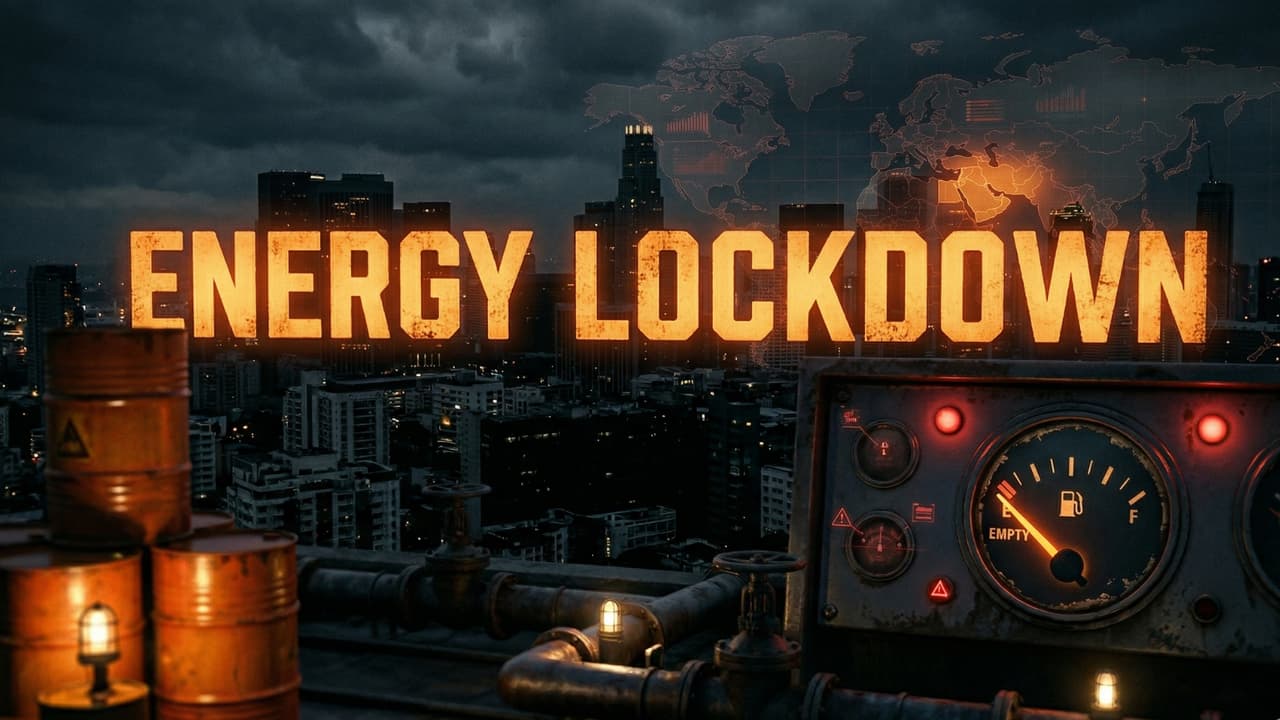
Energy Lockdown Explained: The term ‘Energy Lockdown’ is in discussion across the world due to the Iran war. This means that when there is a huge shortage in the supply of oil and gas, governments can impose restrictions on the consumption of electricity and petrol and diesel. This could include anything from reducing working days to fuel rationing.
What is Energy Lockdown: The ongoing Iran war has raised new concerns about global energy security. With this a new term has come into discussion – ‘Energy Lockdown’. As oil and gas supply disruptions increase, governments and experts are warning of a situation where countries may have to impose restrictions on energy use to deal with supply shortages.
Although there is no formal definition of this term yet, it is being used to describe the emergency measures that are taken during a supply crisis to reduce fuel consumption and give priority to essential services.
After all, what is this ‘energy lockdown’?
‘Energy lockdown’ refers to a situation in which governments impose restrictions on energy consumption due to lack of supply or huge increase in prices. These measures may impact industries, transport and even everyday life.
This is different from traditional energy saving campaigns. The government intervenes more strictly in energy lockdowns, such as limiting fuel availability, imposing savings rules and reducing non-essential use. Simply put, this concept shifts the focus from supply management to demand control. This step is usually taken only during serious crisis.
Also read: Hormuz closed, India in danger of gas crisis… In such a time, ‘distant friend’ extends hand
Why is this word trending right now?
The Iran war has exposed the weakness of the world’s energy system. A major concern is over key supply routes, particularly in the Middle East, which remains the center of the world’s oil and gas exports. As tensions rise, fears of disruption to shipping lanes and infrastructure have also increased. Even the threat of restrictions on movement through vital sea routes has sent markets into turmoil and pushed up prices. This uncertainty has forced governments to prepare for worst-case scenarios, including rationing or restricting energy use. That is why the importance of the term ‘energy lockdown’ has increased.
How did the Iran war escalate this crisis?
The conflict has directly affected energy infrastructure and logistics. Attacks and counter-attacks in the region have increased the risk to oil production facilities and transportation networks. Shipping companies are facing increasing security threats, causing delays and increasing costs. Insurance premiums for oil tankers have also increased, further complicating the supply chain. As a result, there has been increased pressure on global energy supplies, especially for countries that are heavily dependent on imports. Its impact is being felt on industries and economies.
Many countries are already reducing energy consumption
Many countries have already begun implementing measures that resemble early-stage energy lockdowns. The purpose of these steps is to save fuel and manage the limited supply.
Some of the key steps include:
- Reducing working days in a week to reduce travel and fuel consumption.
- Temporarily closing schools to reduce energy demand.
- Ban on use of air conditioning in public and commercial places.
- Promote remote work and flexible schedules.
- Running public campaigns to reduce energy use.
These measures show how governments are handling the crisis. They also explain how everyday life can be affected when energy availability becomes uncertain.
Also read: All Party Meeting amid increasing tension in West Asia, what big decision is going to be taken?
What are global agencies advising?
The International Energy Agency (IEA) has listed several emergency measures that countries can adopt to reduce pressure on the energy system. These recommendations offer a blueprint for managing demand during the crisis.
Key suggestions include:
- Encouraging people to work from home.
- Reducing speed limits on highways to save fuel.
- Limiting non-essential air travel.
- Make maximum use of public transport.
- Promoting carpooling and shared mobility.
- Banning the use of private vehicles in cities.
- Further improving freight transportation and logistics.
These steps have been designed to reduce aggregate consumption without completely halting economic activity.
What happens during energy lockdown?
If the situation worsens, countries may impose even stricter controls. These may include:
- Electricity rationing and scheduled power cuts.
- Fixing limit on fuel purchase.
- Reduction in industrial work.
- Restrictions on transport.
- Allocation of energy to essential services on priority basis.
In such circumstances, governments will try to ensure that vital sectors like healthcare, emergency services and food supply continue to function. For citizens, this could mean making changes to their daily routine, from traveling less to using less electricity.
Global impact: why does it matter?
Disruption of energy has far reaching consequences. Since energy powers nearly every aspect of modern life, its shortage could soon turn into economic challenges.
Some major impacts include:
- Increase in inflation due to increase in fuel and transport costs.
- Increase in cost of goods and services.
- Supply chain disruptions affecting many industries.
- Decrease in industrial production and slow pace of economic growth.
Experts say prolonged disruptions could pose risks to the system, especially if multiple sectors are affected at the same time.
What does this mean for India and such economies?
Energy importing countries face greater risks during such crises. For India, which is heavily dependent on external sources for oil, any disruption in supply could have an immediate economic impact. Higher crude oil prices could increase fuel costs, putting pressure on both consumers and businesses. Inflation may increase and government expenditure may also be affected.
Industries such as transport, manufacturing and logistics are particularly vulnerable, as they are highly dependent on stable energy supplies.
leaning towards alternative energy
The crisis is also accelerating efforts to diversify energy sources. Countries are looking for ways to reduce dependence on fossil fuels and build more robust systems.
Key areas of focus include:
- Expansion of renewable energy like solar and wind.
- Investing in nuclear power for long-term sustainability.
- Strengthening the Strategic Energy Reserve.
- Diversifying import sources and supply routes.
These steps are aimed at protecting ourselves from geopolitical shocks and ensuring long-term energy security.
Why does ‘energy lockdown’ matter now?
The increasing use of this term shows how governments are now looking at energy. It is no longer just an economic resource, but a strategic asset that can influence global stability. The idea of controlling demand rather than simply increasing supply marks a significant shift in policy thinking.
As the Iran war continues, the possibility of deeper disruptions cannot be ruled out. This makes the concept of energy lockdown much more than just a theoretical discussion.
Also read: Is India going to run out of gas? Direct answer received in All Party Meeting
The situation is still uncertain, and much will depend on how the conflict progresses. If supply disruptions persist, other countries may have to adopt stricter measures. At present, governments are working on immediate crisis management as well as long-term planning. However, the increasing use of the term ‘energy lockdown’ suggests that policymakers are preparing for more challenging scenarios. The crisis is a reminder of how interconnected the global energy system is – and how quickly disruptions can spread.