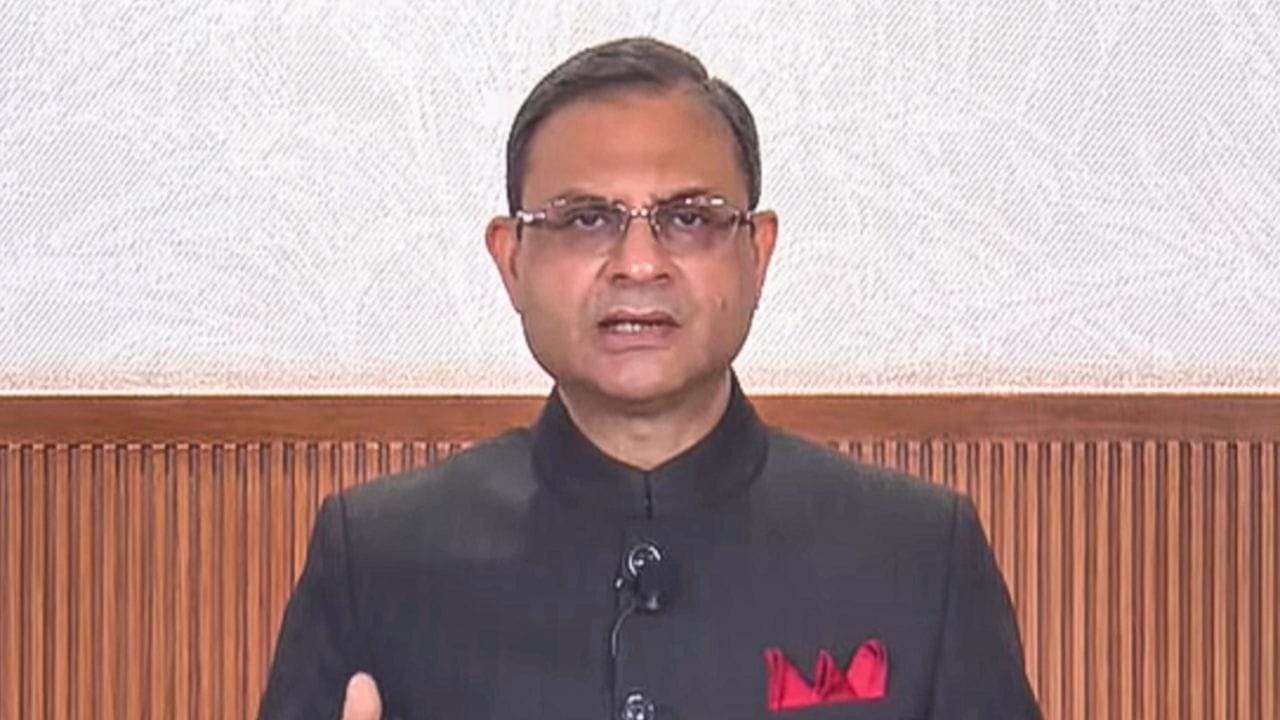
RBI Governor Sanjay Malhotra
In the month of October, inflation in the country was 0.25 percent. Experts believe that if gold prices had not peaked in the month of October, retail inflation would have gone into minus. But why was there a need to discuss this today? The reason is. On Friday, in the last MPC of the calendar year, the RBI MPC has reduced the inflation estimate for the current financial year to 2 percent. Whereas in the February policy meeting the same estimate was at 4.20 percent. This means that RBI has reduced its inflation forecast by more than half.
On the other hand, this reduction in policy rates is not being seen so sharply. Before the February policy meeting, RBI’s repo rate was at 6.5 percent. After several months, RBI had cut the rates in the February policy meeting. Talking about the current calendar year, RBI has reduced 4 out of 6 policy meetings. At present the repo rate has come down to 5.25 percent.
In such a situation, you can understand that the RBI has not shown the same aggressive stance in reducing the policy rate or loan EMIs of the common people as much as it has shown in reducing the inflation estimates. Let us try to understand from the RBI data why there is such a difference between the figures of low inflation and low policy rates.
Let’s talk about inflation figures first
Let’s start from where Sanjay Malhotra started as RBI Governor. At the beginning of the year, in his first monetary policy of RBI MPC, Sanjay Malhotra tried to reduce the estimates of interest rates. Then he had reduced the inflation estimate by 10 basis points for the first quarter of the current financial year and brought the inflation estimate to 4.50 percent and kept the inflation estimate for the current financial year 2026 at 4.20 percent.
In the April policy meeting, the inflation estimate for the current financial year was reduced by 0.20 percent and the inflation rate was reduced to 4 percent. In the June RBI monetary policy meeting, RBI has again clarified its stance regarding inflation and cut it by 0.30 percent. After which the inflation estimate came down to 3.70 percent. This means that the inflation estimate was reduced by 0.50 percent in three consecutive meetings.
In the August policy meeting, RBI MPC made a big cut in inflation estimates. Till now RBI has reduced the number of policy meetings by 3 times. Cut the cast together in the month of August. RBI reduced the inflation estimate by 0.60 percent and brought the estimate for the financial year to 3.10 percent. In the month of October, RBI MPC once again reduced the estimated inflation figure for the financial year by 50 basis points and brought it down to 2.60 percent. This figure has been brought down to 2 percent in December. This means that a huge reduction of 60 basis points has been made in the inflation estimate for the current financial year.
RBI reduced inflation in some ways
| Period | How much cut in inflation estimate? ,in percentage, | financial year 2026 inflation estimate of ,in percentage, |
| February | , | 4.2 |
| april | 0.2 | 4 |
| june | 0.3 | 3.7 |
| august | 0.6 | 3.1 |
| october | 0.5 | 2.6 |
| December | 0.6 | 2 |
Note: The special thing is that there has been no such meeting in the current financial year when RBI has not made any cut in the policy rate.
No reduction in policy rate
The RBI showed as much interest in reducing inflation expectations as it did in reducing loan EMIs. This can be easily understood from the figures. When Sanjay Malhotra became the RBI Governor after the Covid era was completely over, he cut the policy rate in February 2025. This cut was of 25 basis points. After which the repo rate of RBI came down from 6.50 percent to 6.25 percent.
After that, in April also the repo rate was cut as per the inflation expectations. This reduction was also 0.25 percent. After which the repo rate came to 6 percent. In the month of June, everyone was estimating either 0.25 percent or hold. But in that meeting, the MPC under the chairmanship of the RBI Governor took a big decision and shocked the country by making a big cut of 0.50 percent. The special thing is that in that month the inflation estimate of RBI for the current financial year was reduced by only 0.30 percent.
After that, in August and October, RBI kept pressing the freeze button. The RBI Governor said that he wants to examine Trump’s tariffs and the current global economic uncertainties. Besides, he had said in both the policy meetings that the benefits of reduction in repo rate by the banks have not been given to the common people.
Due to which there was no change in the interest rates in both the policy meetings and the repo rate remained at 5.50 percent. In 5 policy meetings, 1 percent reduction in repo rate and 1.60 percent reduction in inflation estimate was seen. In the month of December, RBI has reduced the repo rate by 0.25 percent. After which the total reduction for the current year has been 1.25 percent, but the inflation estimate has been reduced by 2.20 percent.
Such reduction in policy rate
| Period | How much reduction in policy rate? ,in percentage, | What was the policy rate? ,in percentage, |
| February | 0.25 | 6.25 |
| april | 0.25 | 6 |
| june | 0.5 | 5.5 |
| august | no changes | 5.5 |
| october | no changes | 5.5 |
| December | 0.25 | 5.25 |
Will EMI be less in the next policy?
Now the biggest question is whether interest rates will be cut in the last policy meeting of the current financial year. This policy meeting will take place after the budget for financial year 2027. However, this time RBI has kept its stance neutral along with cutting the policy rate. Which is an indication that the rate cut can be reduced in the upcoming meeting, that too after considering the inflation and growth figures of that time. However, RBI has reduced the inflation estimates for the third and fourth quarters by 0.60 percent and 1.10 percent respectively. The inflation estimate for the fourth quarter has been reduced from 3 percent to 2.9 percent. In such a situation, experts believe that RBI has kept the window open for the meeting of February 2026 for another cut in the policy rate.