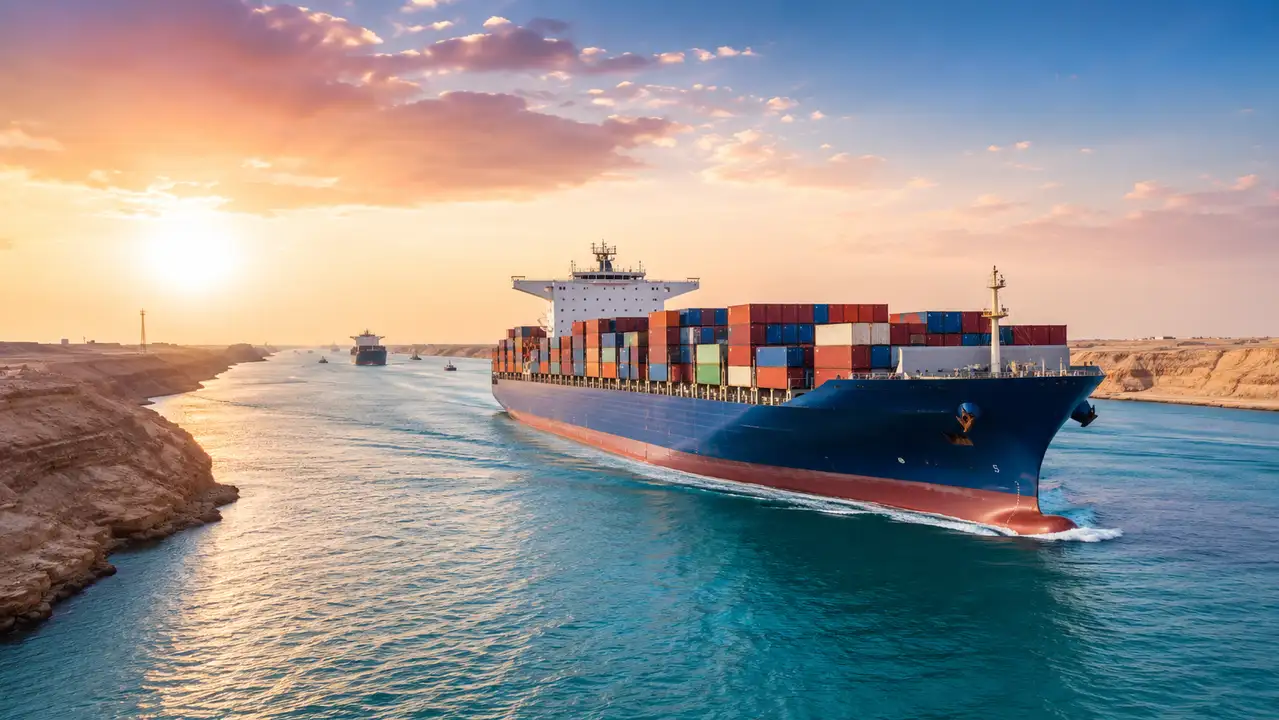
- After the US-Iran peace deal was announced, Timesnownews.com spoke to Past Chairman and Advisor of Federation of Freight Forwarders’ Associations in India (FFFAI) Shankar Shinde, given below is an excerpt of the exclusive conversation.
- Q. What will be the impact of the Strait of Hormuz reopening on freight rates and shipping markets?
- A. The reopening and normalisation of traffic through the Strait of Hormuz is a positive development for global shipping and energy markets. During periods of uncertainty and conflict, freight rates, war risk premiums, insurance costs, and security-related surcharges tend to rise sharply as shipowners and operators factor in the increased operational risks. With the restoration of safe navigation, we can expect some moderation in freight rates and emergency surcharges, particularly in the tanker segment and trades linked to the Middle East Gulf region. However, the correction may not be immediate. Shipping markets generally take time to absorb geopolitical developments, and many carriers may continue to maintain elevated risk premiums until stability is sustained over a longer period. The extent of any reduction will also depend on vessel availability, bunker fuel prices, global trade demand, port congestion levels, and broader supply chain dynamics. Therefore, while the extraordinary conflict-related surcharges are likely to ease, freight rates may not necessarily return to pre-conflict levels in the short term.
- Q. What are the key risks and challenges for the shipping, logistics and freight sector going forward?
- A.
- 1. Geopolitical Uncertainty: Any renewed tensions in the Gulf region could quickly reverse market sentiment and trigger fresh increases in insurance and freight costs.
2. Energy Market Volatility: The Strait of Hormuz remains one of the world’s most critical energy corridors. Any disruption can significantly impact crude oil and LNG shipments, influencing bunker fuel prices and shipping economics.
3. Insurance and Security Costs: Underwriters may continue to classify parts of the region as high-risk zones until a prolonged period of stability is demonstrated.
4. Supply Chain Resilience: Global supply chains remain sensitive to disruptions. Shippers are increasingly seeking diversification of routes and sourcing strategies to mitigate geopolitical risks.
5. Market Psychology: Freight markets often react not only to actual disruptions but also to perceived risks. Consequently, pricing may remain somewhat elevated despite the reopening of the waterway.
- Overall, the reopening of the Strait of Hormuz is expected to bring gradual relief to freight markets and improve confidence among shipowners, charterers, and cargo interests. Nevertheless, stakeholders will continue to closely monitor geopolitical developments, as the region remains strategically significant for global trade and energy security.