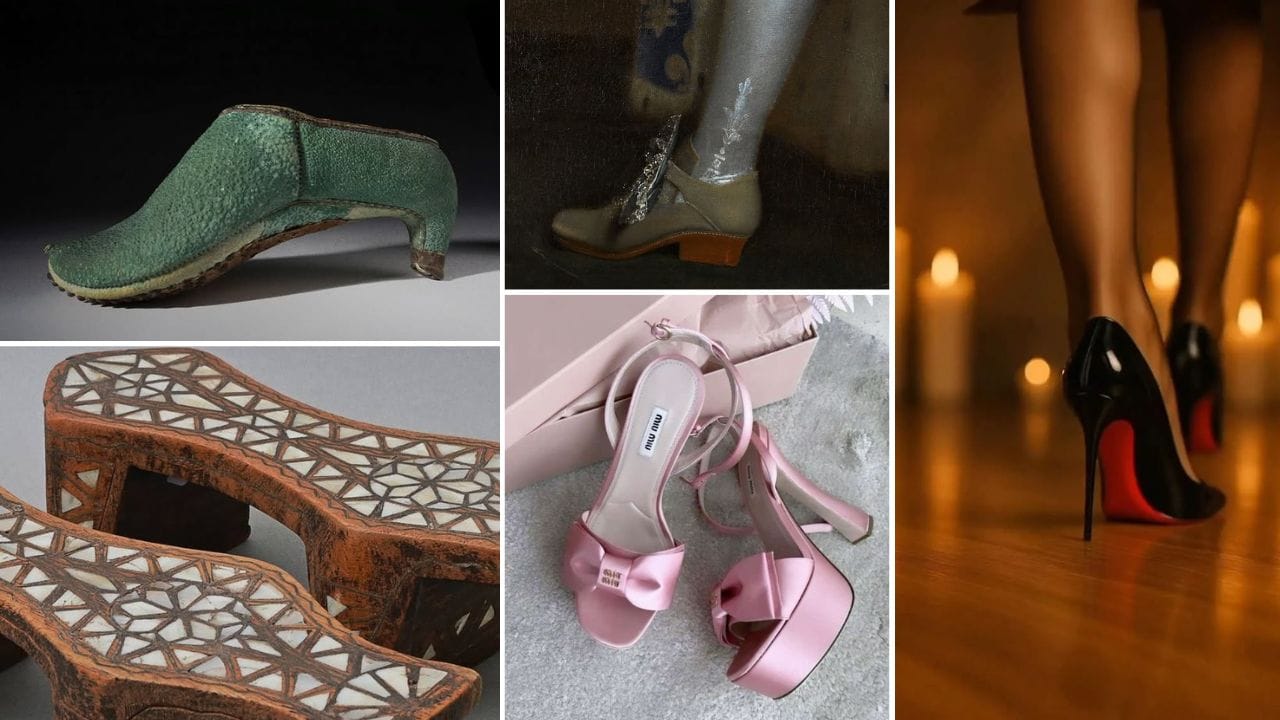
New Delhi: High heels did not begin as symbols of glamour or femininity. Their earliest purpose was practical, designed to provide balance, control, and authority. Over centuries, this simple lift travelled across continents, absorbing meanings tied to power, status, gender, and performance. From royal courts and industrial workshops to nightclubs and runways, heels slowly shifted from necessity to expression. Their history reflects how fashion often grows out of function before becoming cultural language shaped by society and technology over time.
The evolution of high heels mirrors changing ideas of privilege, identity, and self-presentation. Once worn by soldiers and kings, later shaped by artisans and engineers, heels eventually became tools of style and symbolism. Each era left its imprint, turning footwear into marker of cultural shifts rather than mere accessory.
Early origins and rise of status footwear
1. Persia, 15th century
Heels first appeared in 15th-century Persia, worn by cavalry to secure feet in stirrups. This functional design improved stability during horseback combat. Paired with high-top boots, it became direct ancestor of modern cowboy boot. Fashion followed centuries later.
2. Europe, 15th-17th century
In Spain, women wore cork and wooden chopines to avoid muddy streets. As the style reached Venice through Persian delegations, platforms grew taller, wrapped in velvet and slowing movement into deliberate display. European aristocrats, especially men, adopted heels as markers of wealth and rank.
3. Impracticality as luxury
Medieval pattens lifted wearers above dirt, signalling privilege. Heels suggested a life removed from manual labour, often supported by servants or carriages. Height became proof of status rather than utility.
4. Global echoes of elevation
Japan’s wooden geta and lacquered okobo transformed movement into sound and ceremony, while Ottoman kabkabs blended bathhouse function with ornamentation. Though not heels, these designs expanded imagination of elevated footwear as cultural expression.
Power, technology and modern form
1. Louis XIV and authority of height
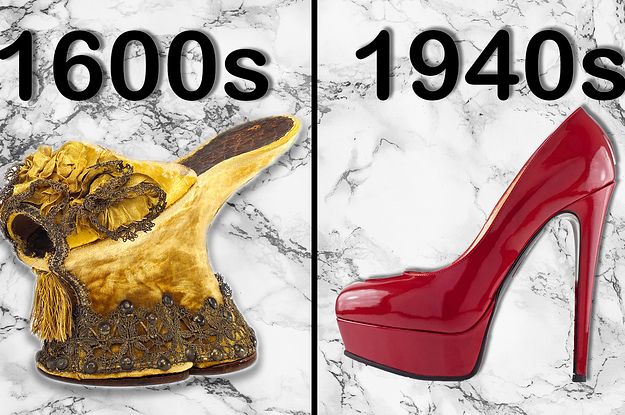
By 1600s, heels symbolised dominance. Louis XIV of France famously wore four-inch heels and restricted red soles to court members, turning footwear into visual hierarchy.
2. Industrial breakthrough
In 1850s, steel shank revolutionised shoe construction, enabling height with stability. This innovation laid foundation for narrow heels and future stilettos.
3. 20th-century experimentation
Salvatore Ferragamo explored cork wedges and transparent sandals in 1940s, testing lightness and balance. In 1954, Roger Vivier introduced modern stiletto, merging engineering with elegance.
4. Platforms and performance
1970s revived platforms through glam rock, disco, and queer nightlife, where height became theatrical expression and identity.
Statement heels and cultural language
1. Louboutin red sole, 2000s
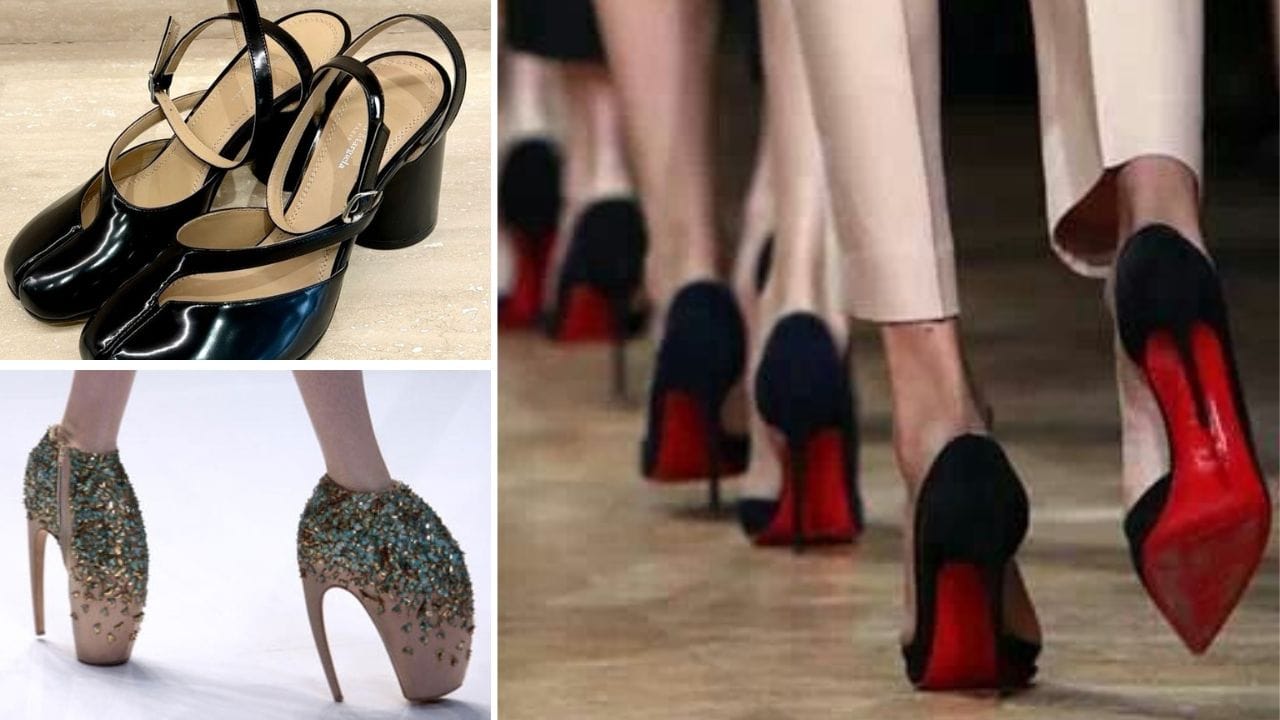
Red sole transformed heel into coded luxury. Recognition came without logos, proving colour alone could signal status.
2. Margiela Tabi heel, cult revival
Introduced in 1989, Tabi heel drew from Japanese workwear. Its rise in 2010s made it symbol of fashion literacy and insider language.
3. McQueen Armadillo, 2010
Armadillo boots pushed heels beyond function into transformation. Adopted by Lady Gaga, they marked fashion’s embrace of spectacle and posthuman form.
4. Prada and Miu Miu, 1990s–2020s
Prada used industrial geometry, while Miu Miu explored playful proportions. Their heels reframed femininity as thoughtful, ironic, and self-aware.
From stirrups to runways, heels have carried meanings far beyond height. Their evolution shows how simple design adapts to power, technology, and identity, continuing to shape how fashion speaks without words.