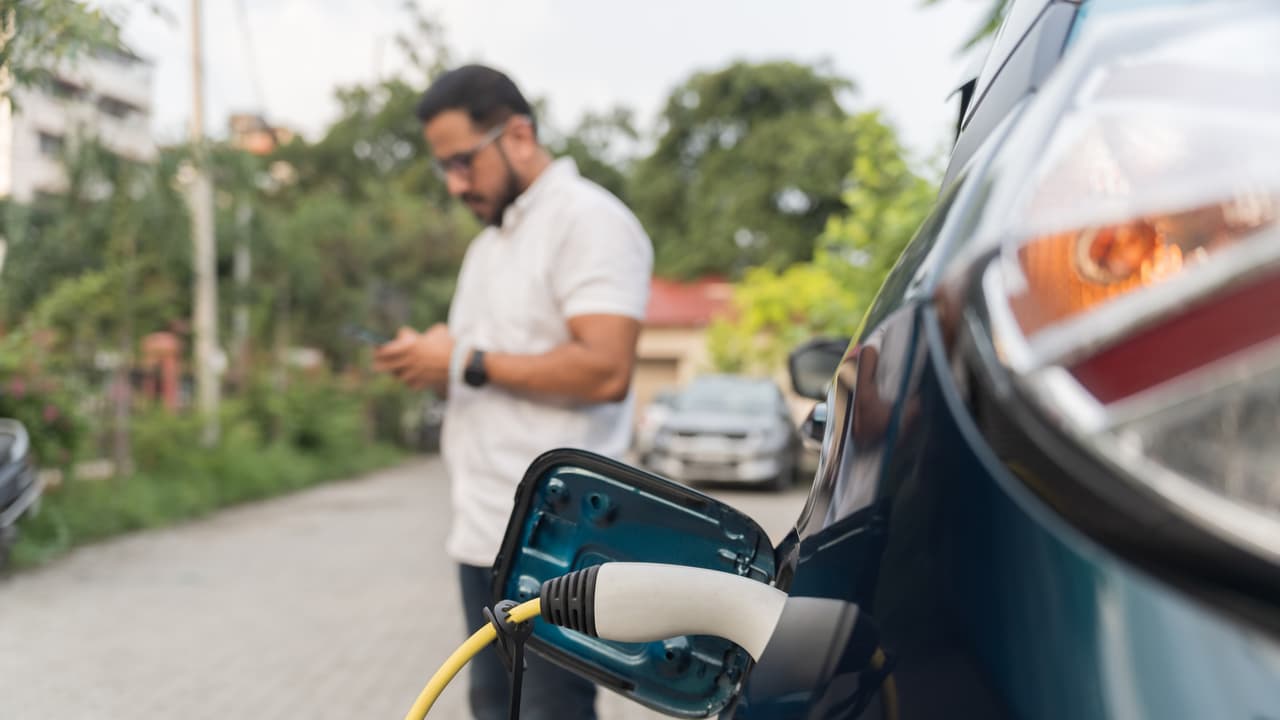
Winter Electric Vehicle Charging: Electric car batteries are sensitive. Rapid-charging a cold battery, repeated rapid charging, letting the battery drop below 10%, and parking in an open place will shorten battery life.
Electric Vehicle Charging in Winter: During cold days, it’s common for an electric car’s battery to drain faster, take longer to charge, and have reduced range. However, certain wrong charging habits in cold weather can not only affect the battery’s performance but also shorten its lifespan. Electric vehicles have lithium-ion batteries, and temperature directly affects their behavior. Therefore, it’s crucial to follow proper charging methods in winter.
Don’t Charge a Cold Battery Directly
If an electric car has been parked overnight in cold temperatures, its battery is in a ‘cold state.’ Starting fast charging directly in this condition puts stress on the battery cells. In low temperatures, lithium-ion batteries have reduced ion movement, which increases the risk of cell damage when accepting a fast current. Therefore, you should ‘pre-condition’ the car for a few minutes beforehand or let the temperature rise gradually. Some cars also have an automatic battery warming system that brings the battery to the right temperature before charging.
Avoid Overusing Fast Charging
In winter, people think that since the range is lower, they should fast-charge more often. But this habit can be dangerous. Fast charging generates a lot of heat in the battery, and in a cold environment, this temperature change is more harmful to the battery cells. AC slow charging is considered best in the cold. It charges the battery safely with less stress. It’s advisable to use fast charging only 1-2 times a week.
Don’t Let the Battery Drop Below 10%
In the cold, the battery’s discharge rate increases. If the battery level drops below 10%, the cells enter a ‘deep discharge’ zone, which can cause damage. According to experts, it’s best to keep the battery between 20-80% in winter. This prevents extra pressure on the cells and significantly increases the battery’s lifespan.
Start Charging Only When the Car is Warm
EVs have a “Battery Thermal Management System.” It’s safest to charge the car after driving when the battery temperature is elevated. A warm battery from driving accepts current more effectively than a cold one. Therefore, the habit of plugging in the car for charging immediately after reaching home is beneficial for the EV.
Don’t Park the Car Outside
Parking the car outside overnight makes the battery extremely cold and increases its usual warm-up time. If possible, park the car in a warm garage or a shed. This keeps the temperature stable and also improves the battery’s charging performance. Some EVs have a “Scheduled Charging” feature that slowly warms the battery and starts charging in low temperatures.