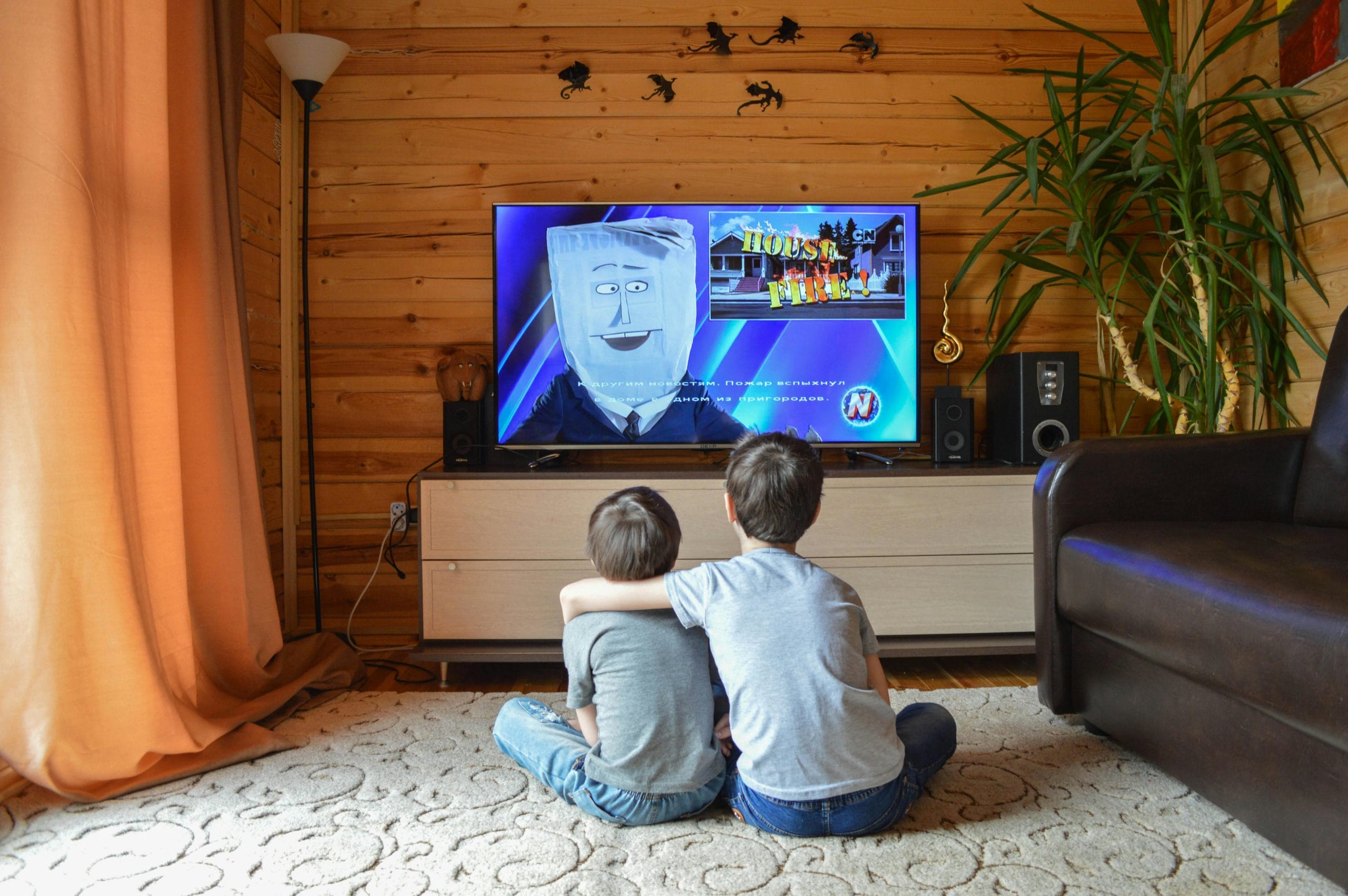
New Delhi: In today’s digital age, children are exposed to screens more than ever before. Coupled with reduced outdoor activities and increasing academic pressure, this lifestyle has made kids more susceptible to vision problems at an early age. According to experts, parents play a crucial role in maintaining their child’s eye health by monitoring daily habits, identifying early warning signs, and leveraging tools to track and improve visual well-being.
Observing and Supporting Eye Health at Home
Children are often not expressive enough about visual discomfort, which makes it imperative for parents to observe their behaviour closely. Dr. Sandra Ganesh, consultant, Department of Paediatric Ophthalmology and Strabismus, Aravind Eye Hospital, Coimbatore, explained how early signs of eye problems appear in daily habits such as holding screens or books too close, rubbing the eyes, or frequent headaches. However, she adds that small lifestyle adjustments at home can make a significant difference in preventing vision problems.
Here are some simple yet effective strategies parents can adopt:
- Ensure proper lighting: Make sure children have adequate lighting while reading or studying to reduce strain.
- Maintain correct posture: Encourage children to sit upright at desks and keep devices at an appropriate distance.
- Promote screen breaks: Follow the 20-20-20 rule—every 20 minutes, look at something 20 feet away for 20 seconds.
- Encourage outdoor activities: Spending at least 90 minutes outdoors daily exposes children to natural sunlight, which has been shown to slow the progression of myopia (nearsightedness).
- Track screen time: Continuous screen usage should be put on hold, and device-free family time or meals can be helpful.
These simple habits not only reduce eye strain but also instill healthier visual behavior in children, setting the foundation for long-term eye health.
Leveraging Technology and Regular Check-Ups
Highlighting the growing role of technology in preventive eye care, Dr. Rahul Jain, consultant ophthalmologist at Dr. Jain’s Eye Clinic, explains that digital tools and mobile apps now enable parents to monitor their child’s visual habits and detect early signs of eye strain or vision problems. Child-friendly screening tools can even identify refractive errors, eye alignment issues, or focusing difficulties before symptoms become noticeable.
Parents can use technology to:
- Log daily screen time: Monitor how much time children spend on devices.
- Document screen habits: It is essential to record screen distance, posture, and other habits influencing eye health.
- Take note of the symptoms: squinting, eye rubbing, and frequent headaches should be noted regularly.
This data can be shared with ophthalmologists during routine check-ups, helping them spot patterns and recommend timely interventions. Dr. Rahul Jain also emphasizes the importance of annual comprehensive eye examinations, even if a child shows no symptoms. These exams can detect subtle vision changes early and prevent issues from worsening. For children with existing vision problems, high screen exposure, or a family history of myopia, more frequent reviews may be necessary.