New Delhi: I recently drove the newly launched Tata Punch EV, which, before the fuel crisis in the Middle East even occurred, seemed to be the most practical option. You have a small, nimble car to drive, with a big 70 kWh battery pack. The market has been inflating with cheap EVs in more recent times.
This includes the MG Comet EV, Tata Tiago, Tata Nexon, Citroen eC3, and the rest. It is no secret that EVs are not for the luxury segment but for the smaller segment. It stands perfect for city commute, parking and given that fuel prices are slashed high, it is pocket-friendly as well. With most of the run-of-the-mill compact electric SUVs, you can do intercity drives on one charge.
The tax exemptions on EVs make it even more attractive from a perspective. Plus, with India importing about 90 per cent of its crude oil and geopolitical tensions causing frequent supply chain threats, EVs do feel like the right choice to go for.
Running EVs is cheaper, but is that enough?
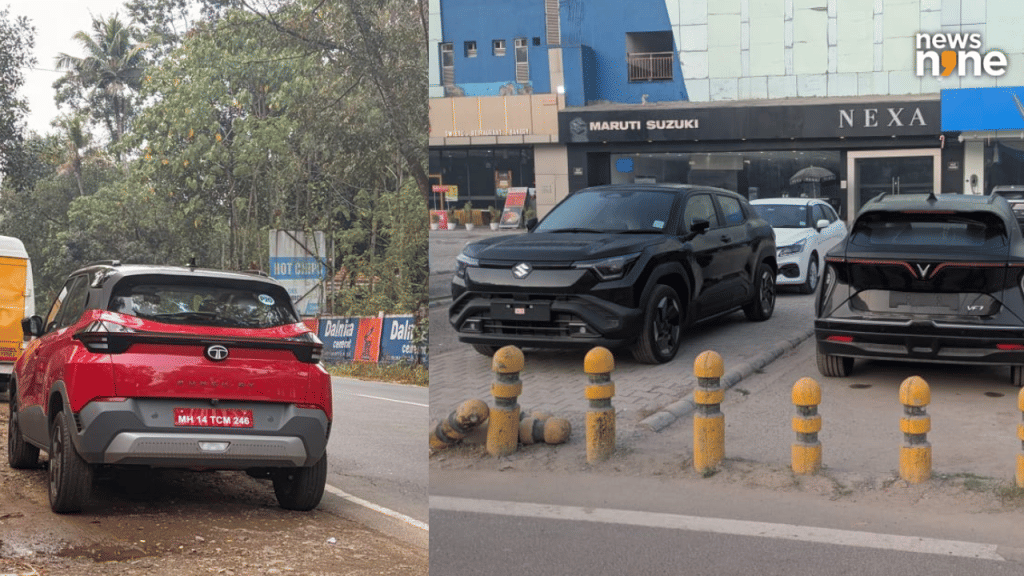
Compact SUV EVs are slowly crawling into markets
Indian motorists are already paying Rs 100 per litre for running their cars in quite a few states, and any disturbance in the Middle East or global supply chain just reflects in the way the fuel prices rise. If we were to compare the charging costs, the average cost for home charging an EV still stands at Rs 1 per km, whereas the petrol vehicles on average go for Rs7-8, which means EVs are almost 60 per cent cheaper to run.
Plus, as a rule, EVs are extremely fast, and in my experience, from the big SUVs like the Harrier.ev to the MG Comets, make for a fun drive, especially if you like fast driving.
Of course, despite everything, EV adoption is slow in India, as it is across the world. In 2025, EVs made up 4-4.6 per cent of total passenger vehicle sales in India, which, of course, is double of 2024’s 2.6 per cent. This is down to affordability and infrastructure. Even though running costs are cheaper, in India, the pricing of electric cars is almost 40 per cent more than alternative ICE models, because the big lithium-ion batteries are still expensive and a lot of components are imported.
This is why a huge amount is persisting with the ICE or hybrid options. Of course, we can expect the price gap to decrease very soon.
Charging infrastructure needs to improve
Range anxiety is one major reason which puts people off EVs. India currently has about 29,000 public charging stations, and with private investment, the number is growing, but still not enough for nationwide adoption of EVs. Even in the leading EV markets in the country, there are fewer than nine charging stations for about 1,000 EVs, which only causes longer delays.
So, within the city, an EV might make sense for those who have access to home charging and cover a decent amount of distance a day. The EV will slash the pricing by loads. The wear and tear factor in EVs is less; the cars are super fast and make for fun to drive. Of course, it can work perfectly as a second car option for many who have a solid ICE at home.
It isn’t exactly for those who frequently travel long distances. Of course, EVs are reaching that sweet spot, and rising fuel prices could turn over the numbers for adoption this year. Let’s not forget, hybrids, including plug-ins, make an amazing case for themselves as well, and I have adored the Toyota Urban Cruiser Hyryder for this. It is a very efficient SUV, which can tackle really bad roads. For buyers who might still persist with the ICE, here are some of the most fuel-efficient cars in India at present.
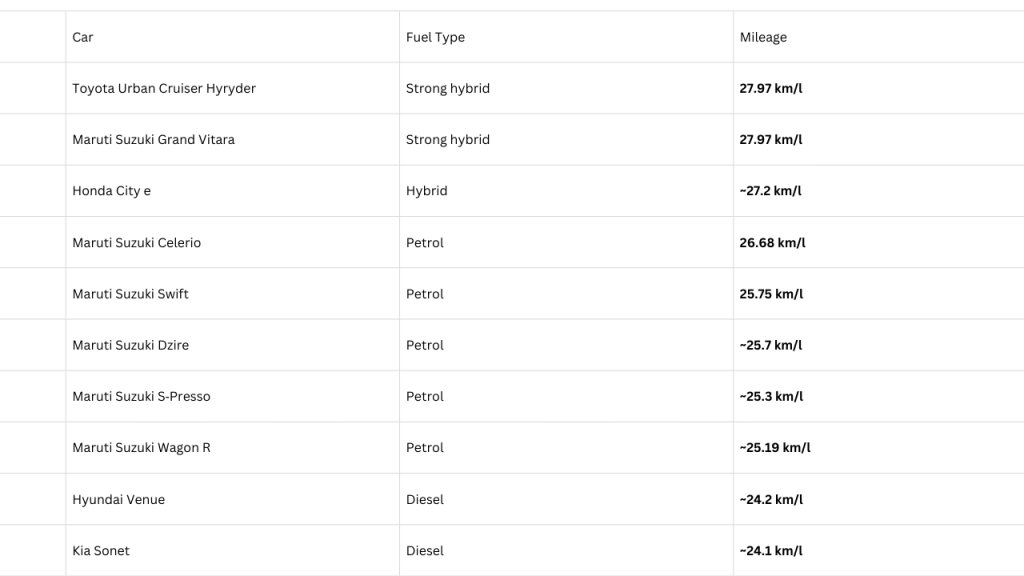
Top fuel efficient cars in India