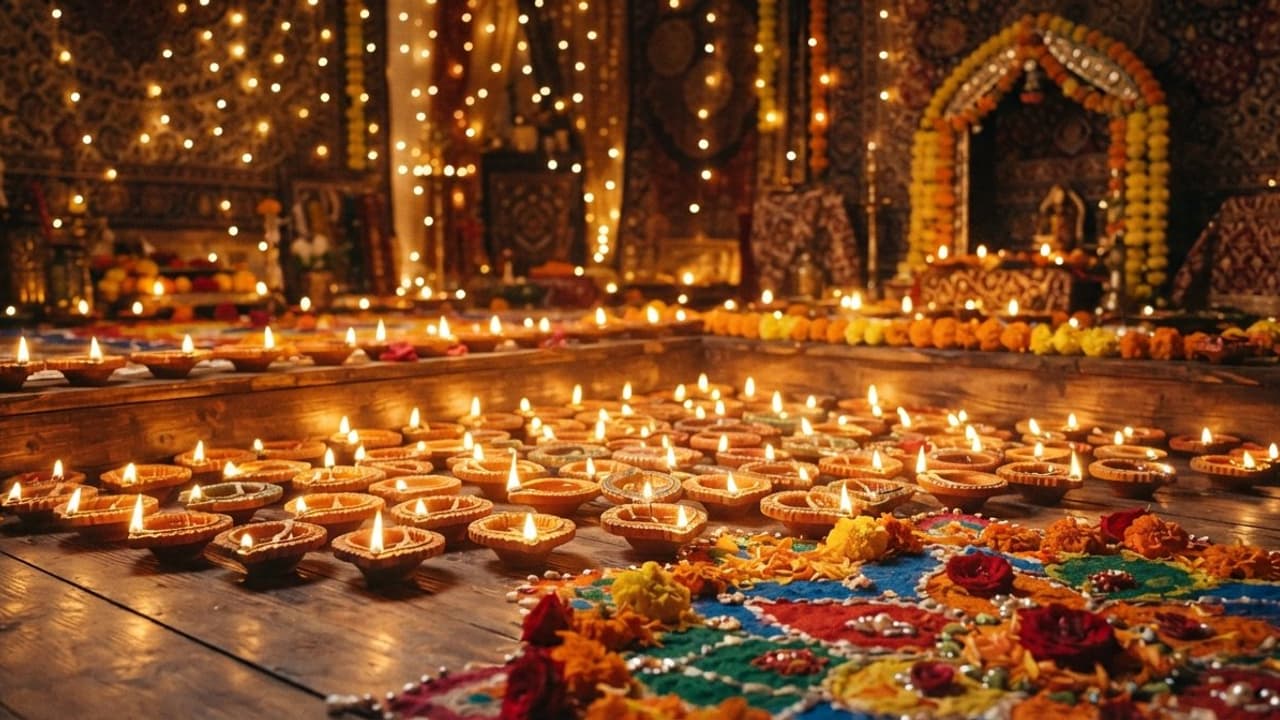
Preparations begin for Diwali 2026, the five-day Festival of Lights celebrating Lord Rama’s return to Ayodhya and Goddess Lakshmi’s blessings. Here is the five-day breakdown from Dhanteras to Bhai Dooj.
2026 brings another five-day spectacle of devotion as families begin preparations for Diwali 2026. Millions across Indian cities and villages are preparing for the grand observance. The holiday marks the ancient return of Lord Rama to Ayodhya — while prayers to Goddess Lakshmi seek health and wealth. Across regions, families honor age-old rituals and long-standing cultural traditions.
Deepavali — a Sanskrit term meaning a row of lit lamps — gives the annual festival its name and meaning. Light conquers the dark night. Traditional practices, clay lamps, bright home decorations, and neighborhood illuminations bring entire communities together for shared reflection.
The Historical Legends Behind the Festival
14 years of exile ended with a historic homecoming in Ayodhya. According to the ancient epic Ramayana, citizens lit thousands of clay diyas across a dark, moonless night. They welcomed Lord Rama, Sita, and Lakshmana after the defeat of demon king Ravana. That radiant greeting laid the basic foundation for lighting traditions across India today.
Down south, households commemorate Lord Krishna defeating the demon king Narakasura to shield people from fear, wickedness, and oppression. Farther into mythology, another tradition marks Goddess Lakshmi emerging from the cosmic ocean during Samudra Manthan — bringing divine blessings, abundance, and prosperity to the world.
Why India Celebrates Diwali Over Five Days
5 days, five distinct meanings. Each day focuses on a key aspect of human life — health, protection, wealth, gratitude, and family relationships. Sacred practices unfold through a structured sequence of daily rituals.
Dhanteras opens the festival on day one by honouring Lord Dhanvantari and Goddess Lakshmi. Families clean their homes thoroughly. Buying metal utensils, gold, or silver brings good luck and sets an auspicious tone for the week.
Before sunrise on day two — known as Naraka Chaturdashi or Choti Diwali — people perform traditional oil baths called Abhyanga Snan. The ritual washes away fear, spiritual impurities, and negativity before the main festive period begins.
Main Lakshmi Puja and Final Sibling Bond
Day three brings the main night of Diwali. Intricate rangoli artwork adorns home entrances, while rows of clay lamps brighten doorways, windows, and courtyards. During the evening Lakshmi Puja, families worship Goddess Lakshmi and Lord Ganesha for wisdom, fortune, and well-being.
Govardhan Puja takes center stage on day four, recalling how Lord Krishna lifted the Govardhan mountain to shield villagers and livestock from torrential rain and floodwaters. The festival concludes on day five with Bhai Dooj, when brothers and sisters gather for ceremonial rituals to pray for each other’s health, safety, mutual success, and long life.