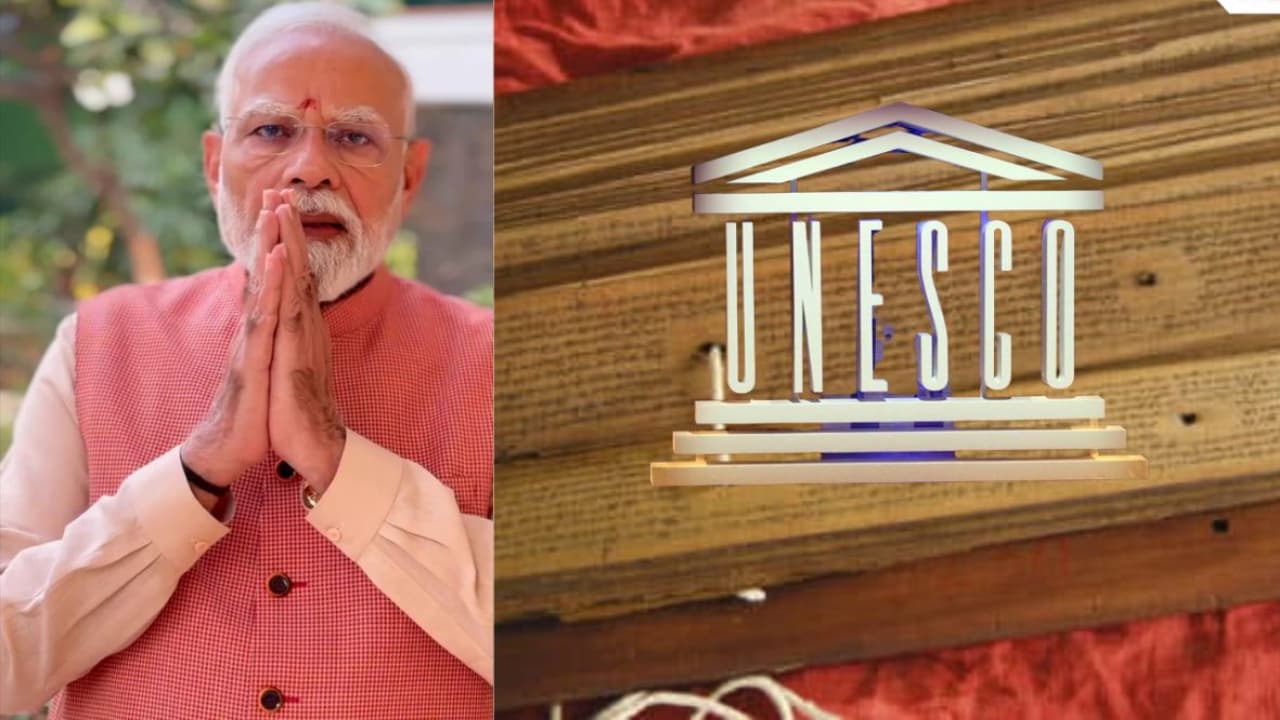
A 16th-century palm-leaf manuscript of Kautilya’s Arthashastra, discovered in 1905 and preserved at Mysuru’s Oriental Research Institute, has entered UNESCO’s Memory of the World Committee for Asia and the Pacific Regional Register.
An ancient palm-leaf manuscript of Kautilya’s Arthashastra, preserved at the Oriental Research Institute (ORI) in Mysuru, has received international recognition after being included in UNESCO’s Memory of the World Committee for Asia and the Pacific (MOWCAP) Regional Register. The recognition highlights the historical and intellectual significance of one of ancient India’s most important works on governance, administration and statecraft.
Dating back to the 16th century, the manuscript has been carefully preserved and digitised by the institute. It offers valuable insights into India’s early approaches to public administration, economic management, law, diplomacy and military strategy. The inclusion also brings global attention to Mysuru’s contribution to preserving India’s documentary heritage.
Kautilya’s Arthashastra Manuscript Receives UNESCO Recognition
UNESCO confirmed the manuscript’s inclusion through a certificate issued on November 5. The decision was taken during the 11th session of the Memory of the World Committee for Asia and the Pacific, held in Jakarta, Indonesia.
The manuscript has been recognised under the category ‘Ancient Governance, History, and Modern Alignment’. UNESCO highlighted its significance as a historical record of ancient Indian approaches to statecraft, public finance and law.
The MOWCAP Regional Register identifies and promotes documentary heritage of outstanding historical, cultural and intellectual significance across the Asia-Pacific region. The latest recognition places the Mysuru manuscript among the important documentary records acknowledged by the international body.
Palm-Leaf Manuscript Preserved At Oriental Research Institute
The manuscript is part of the collection maintained by the Oriental Research Institute at the University of Mysore. It is a complete palm-leaf copy of Kautilya’s Arthashastra, dating back to the 16th century.
The ancient treatise is widely regarded as an important work on governance and political administration. It discusses several aspects of running a state, including economic policy, taxation, public finance, law enforcement, diplomacy, military organisation and strategic decision-making.
The manuscript offers researchers an opportunity to study historical approaches to administration and governance, while providing an important record of India’s intellectual traditions.
According to ORI director D P Madhusudanacharya, a team of experts from the Indira Gandhi National Centre for the Arts (IGNCA), New Delhi, visited the institute and examined the manuscript as part of the assessment process.
Madhusudanacharya described the UNESCO recognition as a significant achievement for the institute, the University of Mysore and the wider Indian manuscript research community.
Kautilya’s Arthashastra Was Discovered In 1905
The manuscript has a notable history. It was discovered at the Oriental Research Institute in 1905 by scholar and librarian Rudrapatnam Shamasastry.
Following the discovery, Shamasastry worked on the text and published the Arthashastra in 1909, bringing the ancient treatise to the attention of scholars and researchers.
The discovery marked an important milestone in the study of ancient Indian political thought and administration. The manuscript has since been digitised as part of the institute’s conservation efforts, helping preserve the valuable text and make it more accessible for research.
Mahabharata And Rajatarangini Manuscripts Also Included
Along with Kautilya’s Arthashastra, manuscripts of the Mahabharata and Kalhana’s Rajatarangini have also been included in UNESCO’s Memory of the World Asia and the Pacific Regional Register.
With these latest additions, India’s total number of entries in the regional register has risen to six.
The recognition highlights the importance of preserving India’s ancient manuscripts, which document the country’s historical, literary, political and intellectual traditions.
The inclusion of the Mysuru palm-leaf manuscript also acknowledges the Oriental Research Institute’s role in safeguarding valuable historical records. It places the spotlight on Karnataka’s contribution to preserving India’s documentary heritage and making its knowledge traditions accessible to a wider global audience.